DIY cleaning requires purchasing various chemicals and tools, carries risks of damaging building materials due to incorrect pH use, and makes it difficult to reach heavy grime. Before commissioning cleaning, you should verify the quotation and material restrictions; if doing it yourself, you must weigh the cost of supplies, time, and material risks.
Hidden costs of DIY cleaning
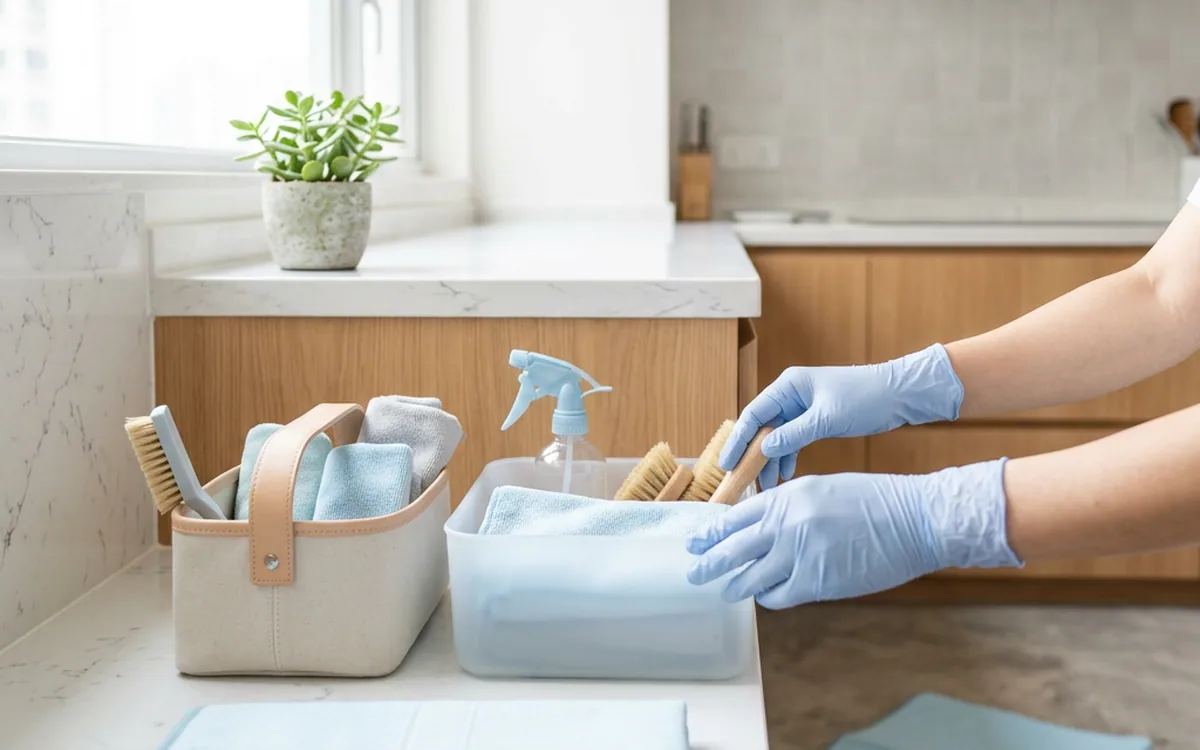
Many people underestimate the cumulative expenditure of buying multiple cleaning agents and the waste caused by expired chemicals. More seriously, if high-concentration detergents are purchased and used improperly, they can easily cause irreversible damage to hardware and high-end materials like marble.
Avoiding damage to expensive building materials
Different materials are extremely sensitive to pH levels. Using strong acid or alkaline detergents on stone and metal surfaces can cause permanent white spots or oxidation within seconds. You must test in an inconspicuous area before use, or leave it to professionals.
Economic efficiency analysis
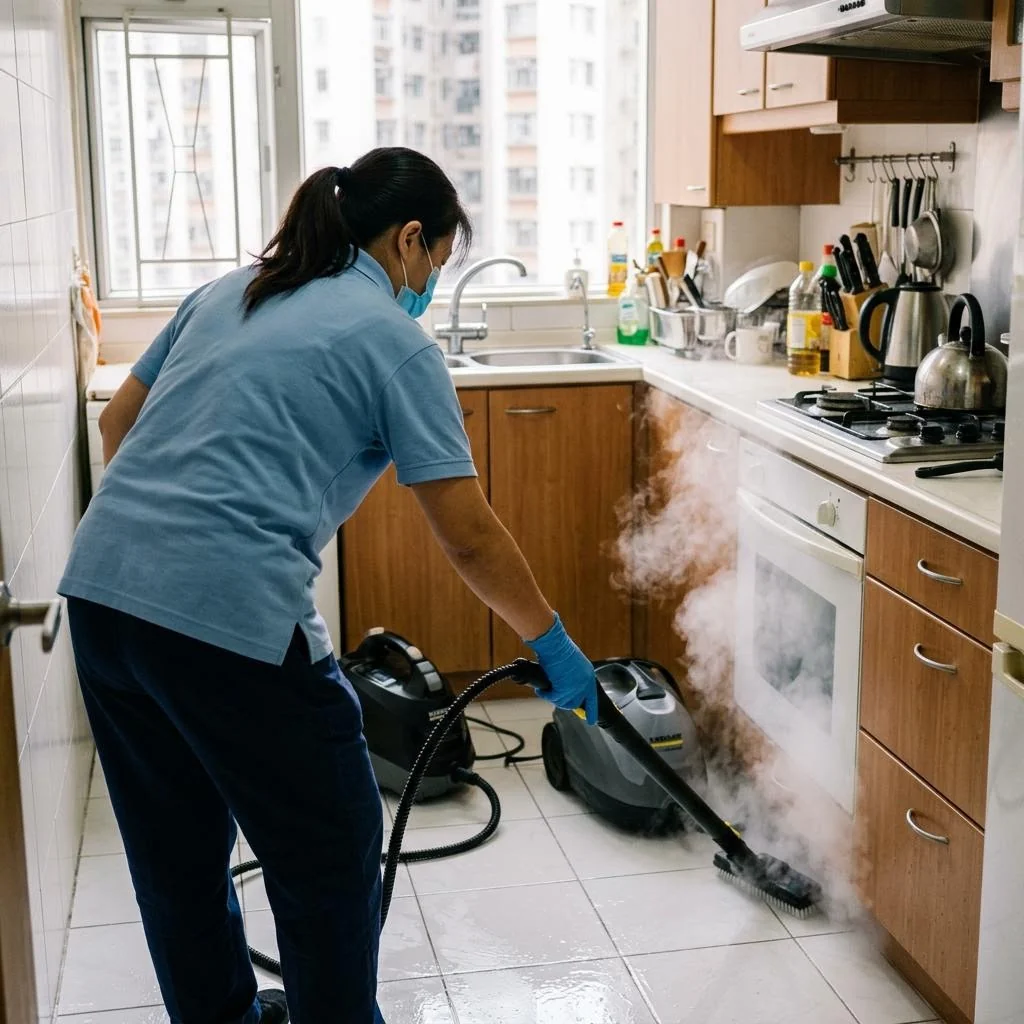
Professional cleaning teams possess suitable equipment to handle dirt and provide services according to the cleaning area and material properties.
- DIY preparation: Need to account for supply costs, and must also pay attention to material and operational risks.
- Hiring a service: First verify the quote, scope of service, material restrictions, and insurance terms, then compare this against the time required for DIY.
- Maintain daily according to material instructions; whether deep cleaning is needed depends on the stains and actual usage.