Fridge seals turning black is due to black mold caused by grime and moisture. Use diluted white vinegar or neutral dish soap for regular cleaning, and do not mix different agents. If the seal becomes severely deformed or the magnetic force fails, seek professional replacement to ensure fridge sealing performance.
Formation and impact of black mold (Aspergillus niger)
Fridge seals are long-term exposed to kitchen grease, moisture, and oil from hands. Hong Kong's humid climate further fosters the reproduction of black mold in the seal grooves. These molds not only affect hygiene but also cause the seal to harden and lose elasticity, thereby destroying the fridge's sealing performance, causing cold air leakage, increasing electricity consumption, and causing food to spoil prematurely.
When handling moldy materials, you can follow US Environmental Protection Agency's home mold prevention recommendations(opens in a new window)treatment and note the on-site and material restrictions.
Safety preparation before cleaning
Power off before cleaning electrical appliances; self-dismantling of circuit structures is strictly prohibited. Do not mix different chemical cleaners (such as bleach and acidic cleaners) to avoid producing toxic gas. During the cleaning process, pay attention to the physical properties of the seal and avoid strong scraping.
Note: If using diluted bleach (please refer to product suggested concentrations), it must be thoroughly wiped clean with water; otherwise, chemical residues will accelerate rubber aging.
Before using bleach, please first understand Method for using bleach from the Centre for Health Protection(opens in a new window), and operate according to the product label.
Common seal maintenance and mold removal advice
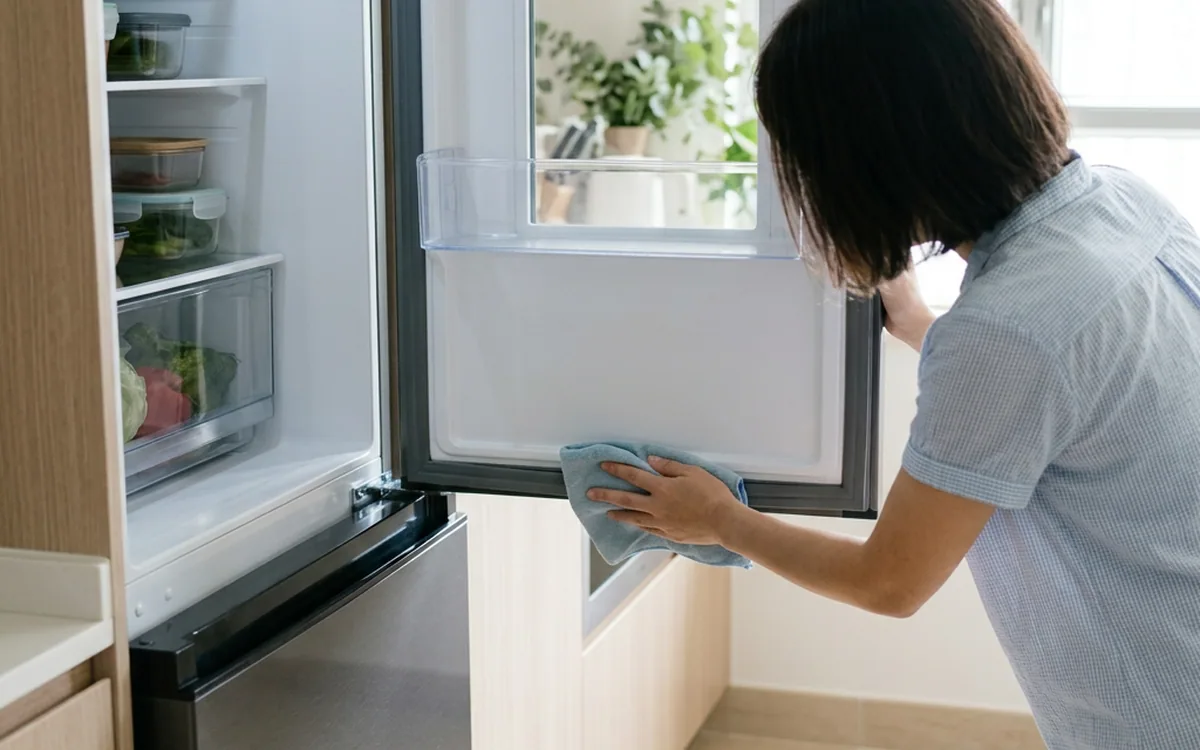
Daily cleaning: Use a soft cloth and mild neutral detergent to wipe the surface, which can remove most dust and grime.
Removing stubborn black spots: Use an old toothbrush dipped in diluted white vinegar to gently brush the grooves. If the black spots are severe, use a cotton pad dipped in a small amount of diluted bleach for a partial wet compress, with the time based on product instructions; be sure to wipe dry thoroughly after completion.
Taboo: Do not use metal scouring pads or sharp tools to avoid damaging the rubber protective layer.
Sealing performance evaluation and professional support
Sealing test: Clamp a piece of A4 paper in the fridge door gap; if there is significant resistance when pulling, the seal is normal; if it is easily pulled out, it means the seal needs to be replaced.
When to stop DIY: When you find cracks, severe deformation of the seal, or it still emits a moldy smell after cleaning, it means the mold has penetrated inside the rubber. Stop trying to handle it yourself and contact 壹家壹清潔專家 to seek replacement and professional maintenance.