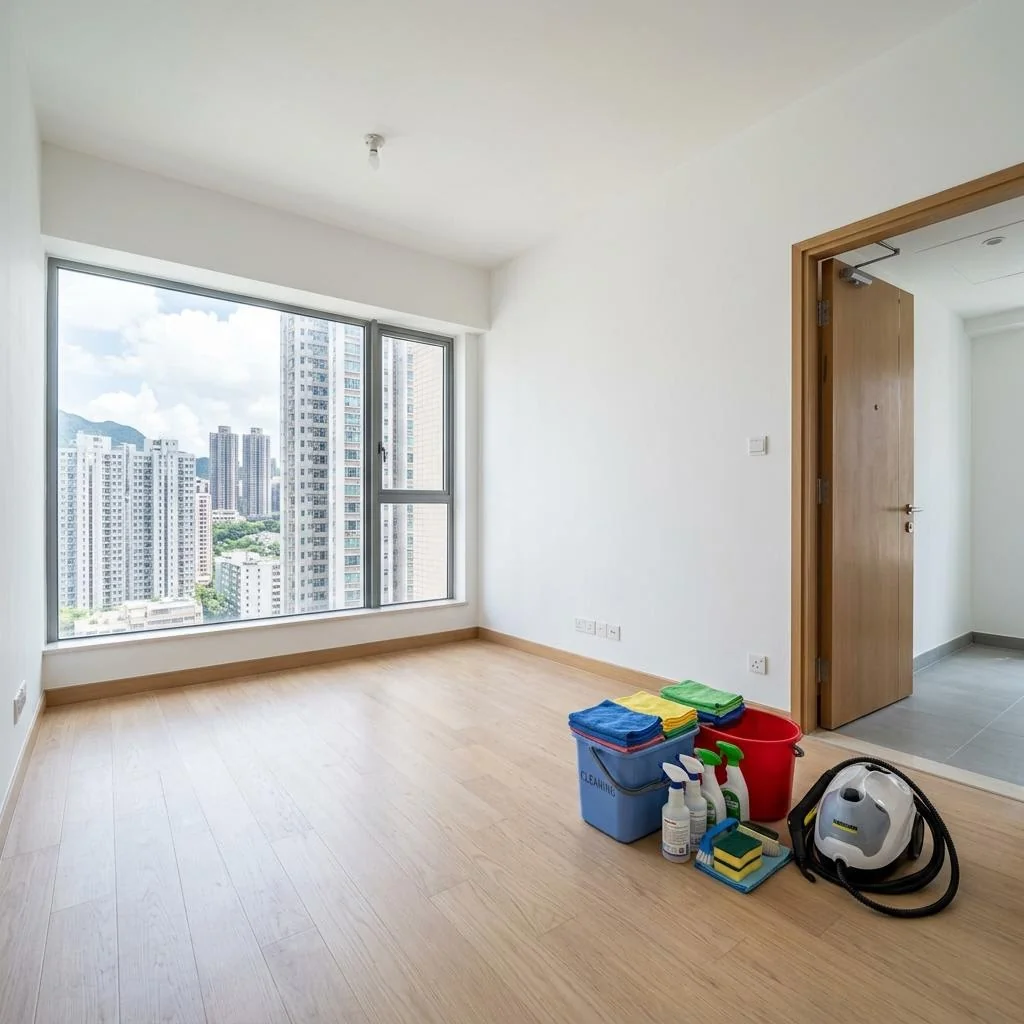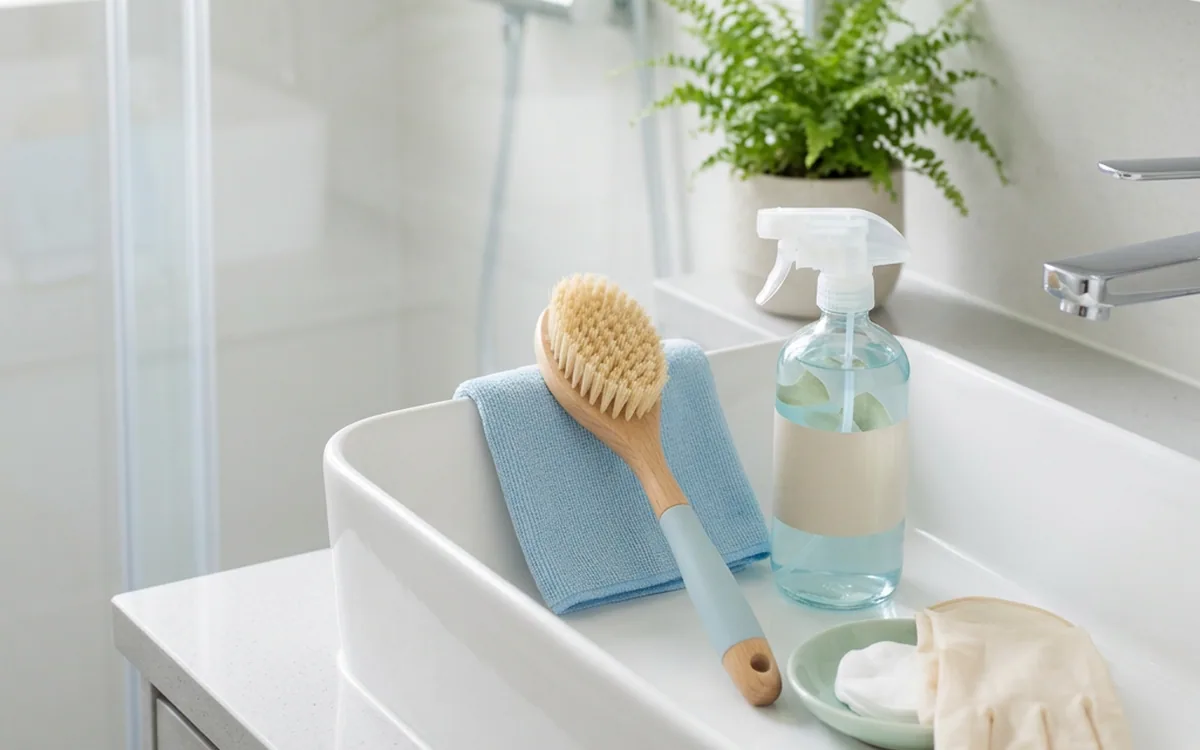
Post-renovation cleaning must prioritize hidden renovation dust and chemical residues. It is recommended to use vacuum equipment with appropriate filters, and perform dust removal targeting vents, drains, and gaps in cabinets to reduce dust accumulation.
The necessity of post-renovation cleaning
Common renovation dust and chemical residue in newly renovated units. Formaldehyde is mainly controlled by strengthening ventilation (keeping air circulating) and using air purification equipment; do not use odor as a standard for testing. For hidden blind spots, comprehensive physical cleaning must be conducted.
- Finish sanding, drilling and repairs before removing construction waste and clutter.
- Confirm utilities and safe ventilation, then plan the sequence around the home and materials.
- Arrange a separate assessment for suspected air-quality issues; fixed ventilation periods or lack of odour do not guarantee safe occupancy.
Handling of ten hidden dust black spots
Fine renovation dust often hides in places difficult for the naked eye to reach; it is recommended to clean from high to low, and from inside to outside. Avoid dangerous operations in high or narrow spaces; appropriate auxiliary ladders must be used.
- Window tracks: remove loose dust before wiping along the channels.
- Interior window ledges: check corners and drainage openings without pushing grit inside.
- Cupboard shelves: remove belongings and clean according to moisture tolerance.
- Drawer runners: clean safely accessible areas without forcing dismantling.
- Door-frame tops and hinges: remove dust without flooding hardware.
- Skirting boards: begin with dry dust removal and avoid wetting floor joints.
- Switch plates: clean exterior surfaces only and keep moisture away from electrical parts.
- Air-conditioner casings and vent surfaces: isolate power first; internal cleaning needs separate assessment.
- Kitchen cupboard bases and worktop joints: test compatible methods and distinguish dirt from damage.
- Bathroom floors and drain covers: remove accessible debris; cleaning is not drain unblocking or leak repair.
- Clean floating dust first with a vacuum cleaner
- Wipe surfaces with a slightly damp cloth
- For stubborn cement stains, carefully remove with a plastic scraper
- Final check and confirmation of dryness
Safety notes and material taboos
Before using any chemical cleaning agent, test on an inconspicuous corner first to confirm there is no discoloration or damage. Bleach must never be mixed with other household cleaning agents (such as toilet cleaner), otherwise harmful gas may be generated.
Before using bleach, please first understand Method for using bleach from the Centre for Health Protection(opens in a new window), and operate according to the product label.
- When dealing with electrical equipment, power must be completely cut off first; do not disassemble circuit boards yourself
- High-altitude cleaning operations must use stable ladders
- Avoid DIY sewage treatment or handling hazardous dust; if necessary, seek professional help.
Checklist and when to stop DIY
If stubborn stains remain after cleaning, or if there is accumulated dust inside electrical appliances or persistent air quality issues, stop DIY and assess the need for professional assistance. After completing the inspection, ensure all areas are dry and free of odors.
- Check that all cabinet doors and hinges open and close smoothly.
- Ensure the drainage system has no leaks or blockages.
- Confirm there is no hidden dust accumulation inside LED lighting fixtures.
- Finish surface cleaning.
- Check for any lingering chemical smells.
- Perform air purification depending on the situation.