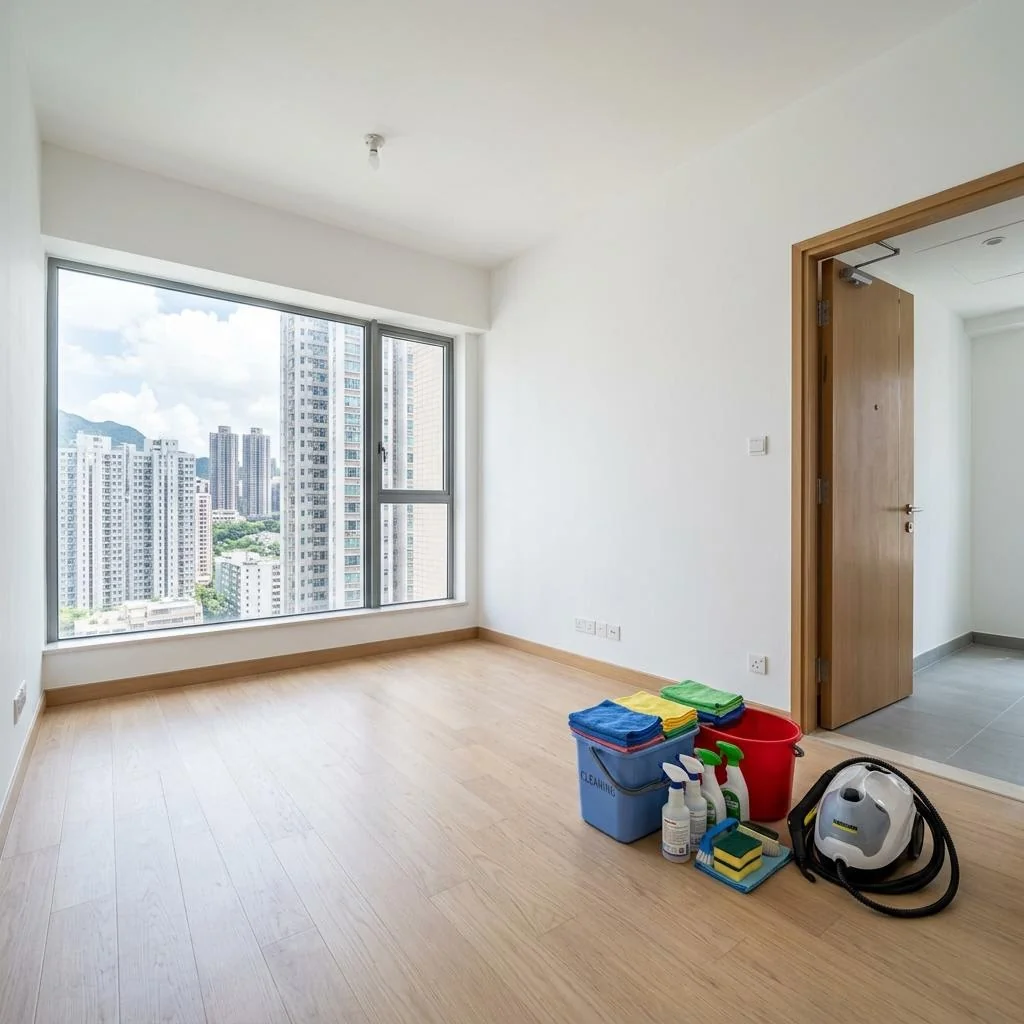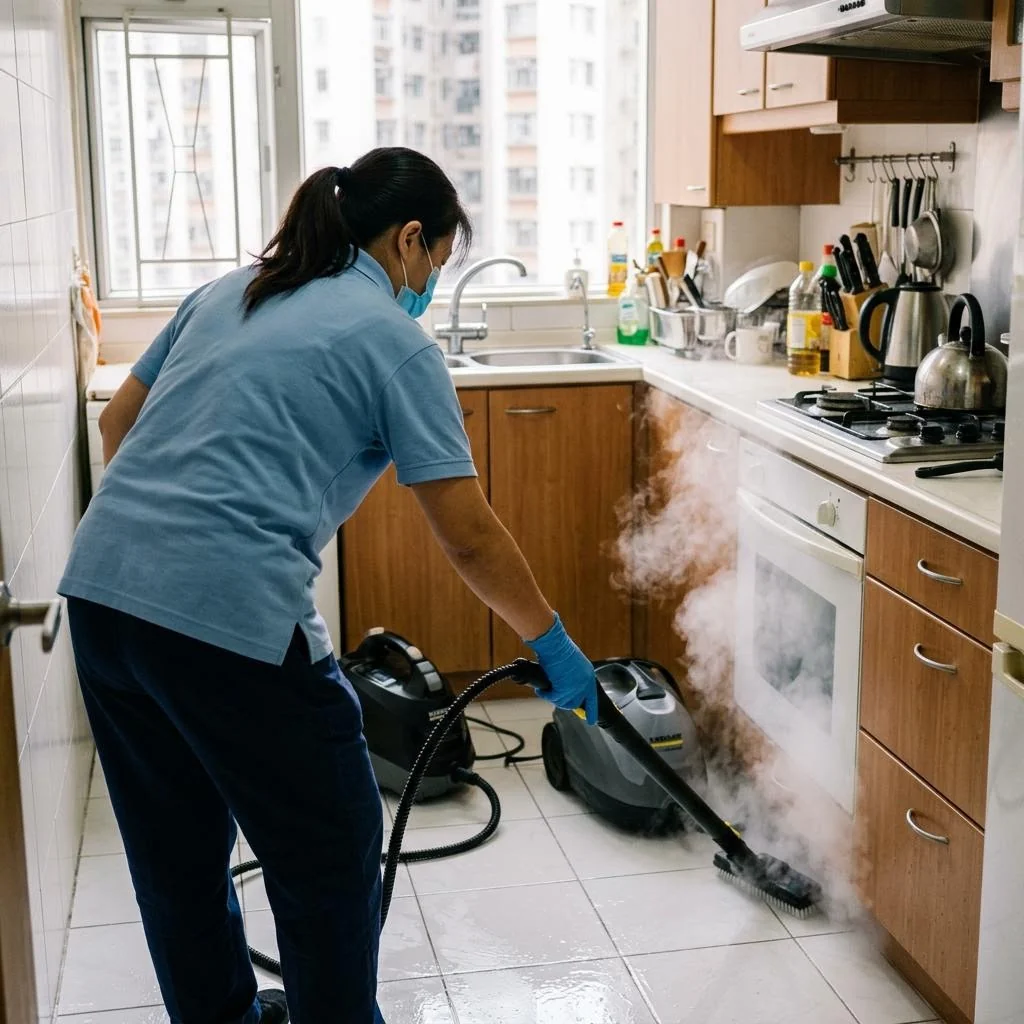
The core of move-in cleaning lies in working "from top to bottom, dry before wet." You must first remove floating dust with a vacuum cleaner before handling stubborn cement marks; never use strong acid or hard scraping that might damage building materials. Regarding the formaldehyde problem, it is recommended to take continuous ventilation and appropriate indoor air quality monitoring measures; do not blindly use masking scents or single-product treatments.
The golden order for efficient cleaning
Avoid repetitive work; move-in cleaning must follow a scientific order. Wet mopping before removing dust is strictly prohibited.
- From top to bottom: clean ceilings, light troughs, and the top of air conditioners first, finishing with the floor.
- Dry before wet: be sure to thoroughly remove all house dust with a vacuum cleaner before wiping with a damp cloth. If you mop directly over cement dust, it will turn into mud that is difficult to clean.
Techniques for handling stubborn post-renovation stains
Targeted methods must be used for different materials to ensure building material surfaces are undamaged.
- Cement marks: apply a weak acidic special stain remover lightly, wipe gently after softening; hard scraping with blades is forbidden.
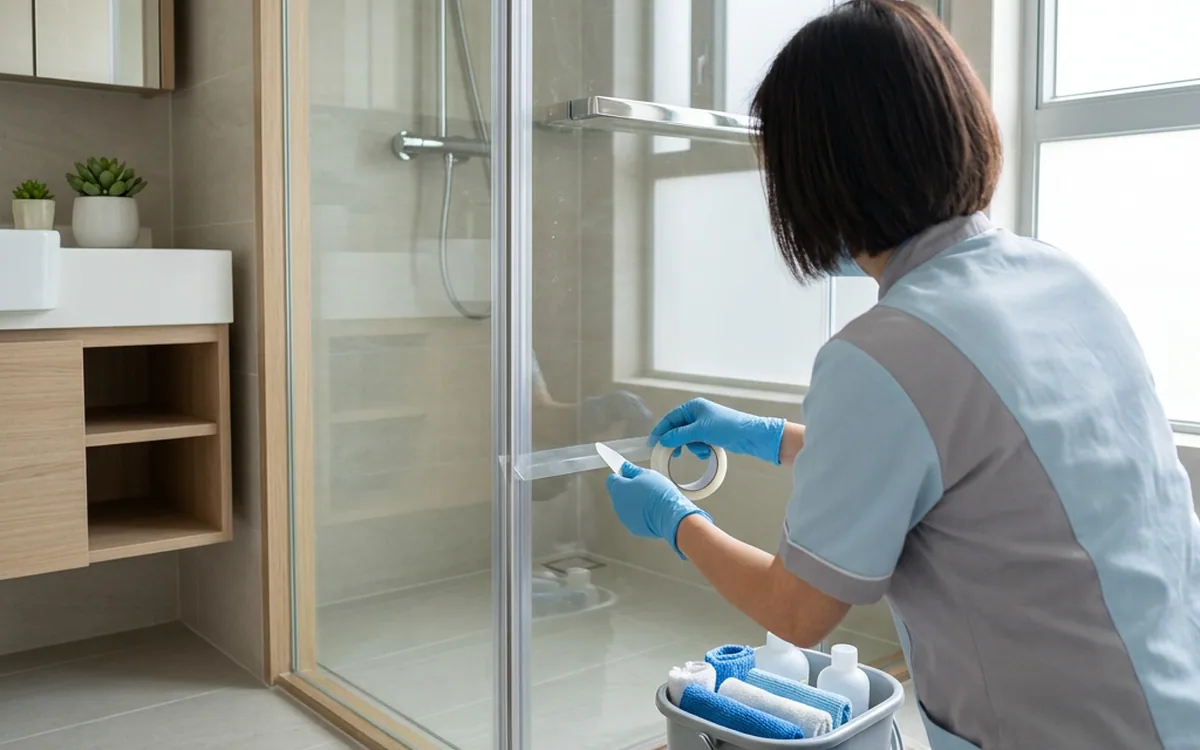
- Tape residue: use an eco-friendly adhesive remover combined with a scraper pushed gently at an angle.
- Paint spots: after the surface is completely dry, use a special paint scraper to carefully chip them off.
Formaldehyde management and ventilation
Volatile organic compounds (VOCs) like formaldehyde after renovation cannot be eliminated by cleaning agents alone. Keeping indoor air circulating is the only effective way to lower concentrations.
- Continuous ventilation: ensure all windows are open to establish air circulation.
- Testing: if you are concerned about excessive levels, use a professional institution for formaldehyde concentration testing rather than judging by scent.