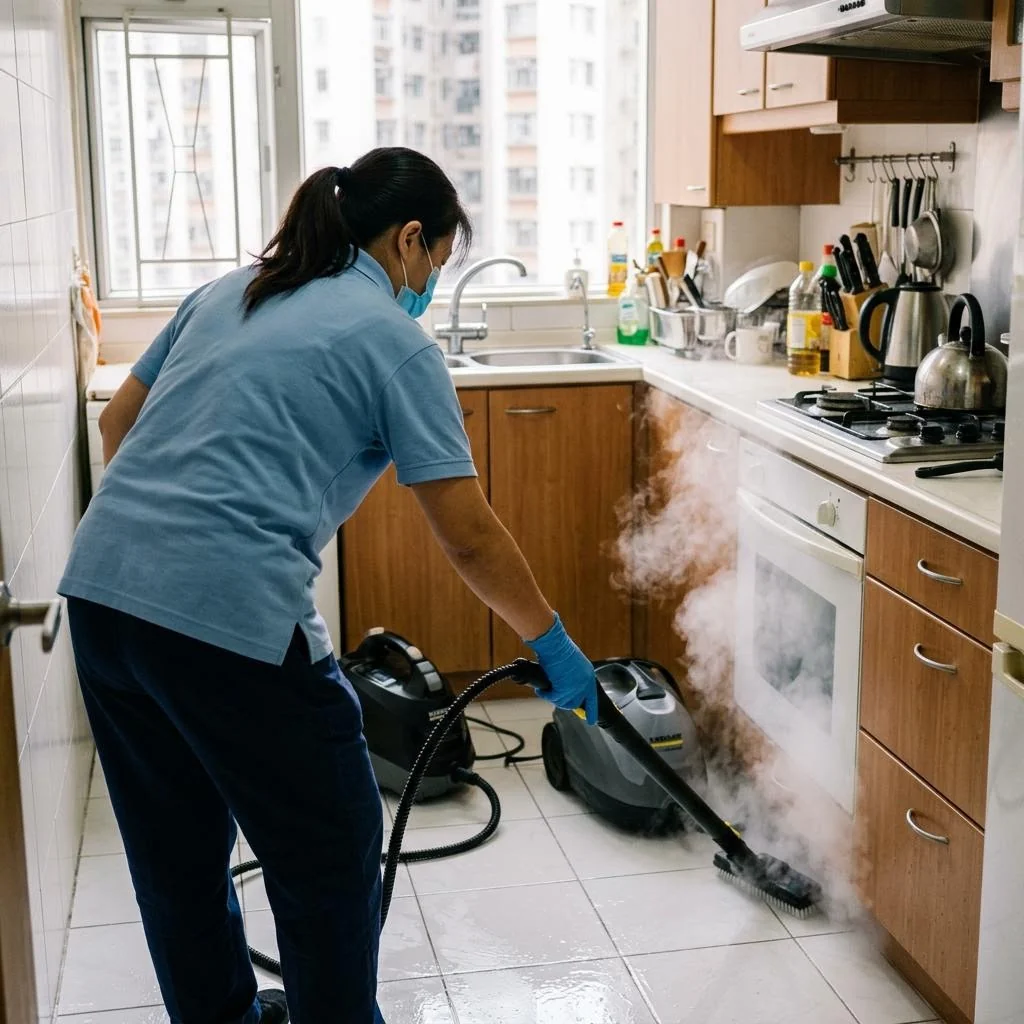
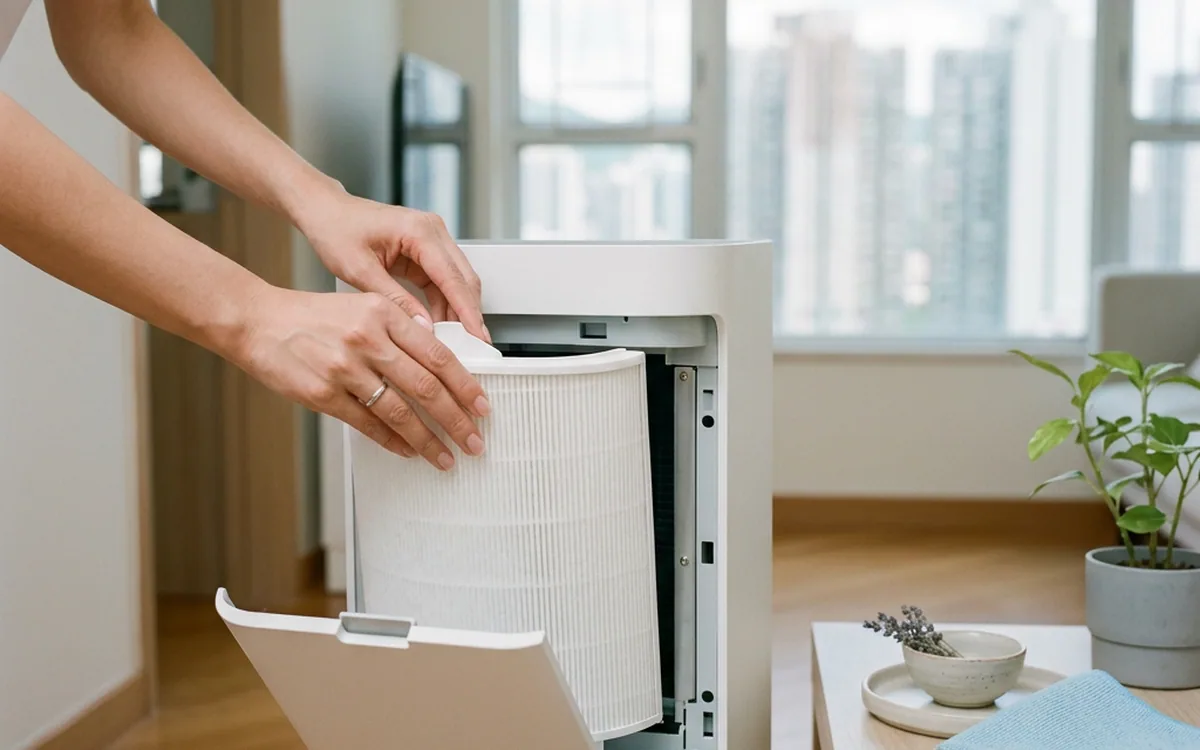
To keep the air fresh, you must ventilate regularly to dilute indoor pollutants. Reduce the use of chemical fragrances and perform thorough cleaning on areas where dust accumulates, such as carpets and air conditioner filters. If formaldehyde is involved, increase ventilation; do not cover it with strong odors.
Air quality and ventilation strategies
Good air quality is based on effective ventilation. It is recommended to open windows in the early morning or evening, using convection effects to carry away gases and dust particles accumulated indoors. Do not assume that air fresheners can purify air; this only increases the indoor chemical load.
- Timed ventilation: At least twice a day, open windows for at least 15 to 30 minutes each time.
- Humidity control: Maintain indoor humidity in an appropriate range to inhibit mold growth.
Removal and control of pollution sources
Indoor air pollution is mostly caused by dust, dust mites, mold spores, and volatile organic compounds (VOCs). Thorough cleaning of upholstered furniture and floors can significantly reduce the level of particulate matter. For formaldehyde, the most effective measures are continuous ventilation to release it and removing the source of pollution.
- Cleaning upholstery: Carpets and curtains need regular vacuuming and cleaning.
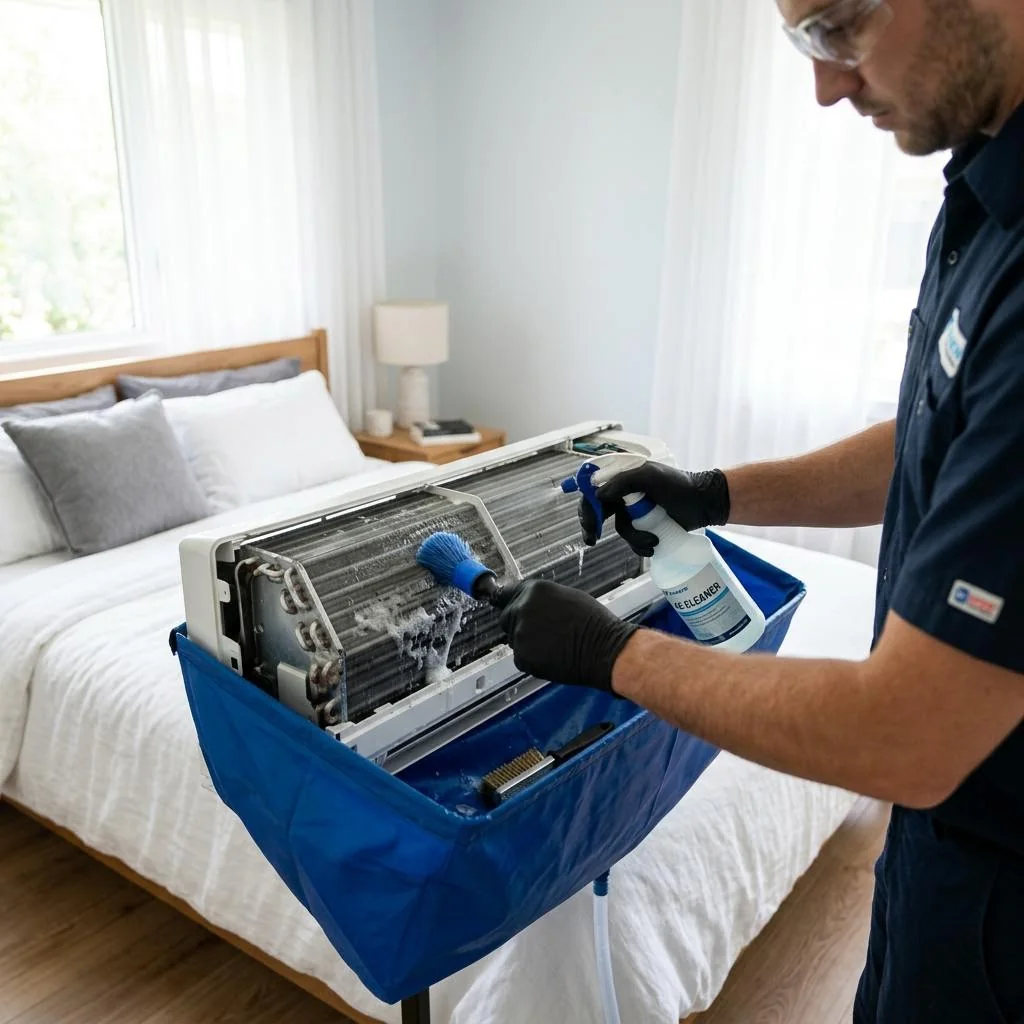
- Checking electrical appliances: Clean the air conditioner condenser and air filter to avoid circulating bacteria and dust.
Professional intervention and assessment
When persistent odors of unknown origin appear in the indoor air, it may involve mold on walls or pollution in hidden areas. 壹家壹清潔專家 suggests that if the indoor humidity is consistently too high, you should check for wall seepage and have a professional team assess whether further mold removal or deep cleaning is required.
When handling moldy materials, you can follow US Environmental Protection Agency's home mold prevention recommendations(opens in a new window)treatment and note the on-site and material restrictions.
- Air testing: Use professional instruments to conduct air quality testing to understand the composition of the pollution.
- Deep care: Reduce the pathogen content through professional disinfection services.