Seizing the five-minute golden cleaning period before oil stains cool, matching the cleaning agent correctly to the material, and maintaining ventilation and dryness can significantly reduce the chance of dirt penetrating deep into the pores of building materials.
Kitchen oil stain defense priority
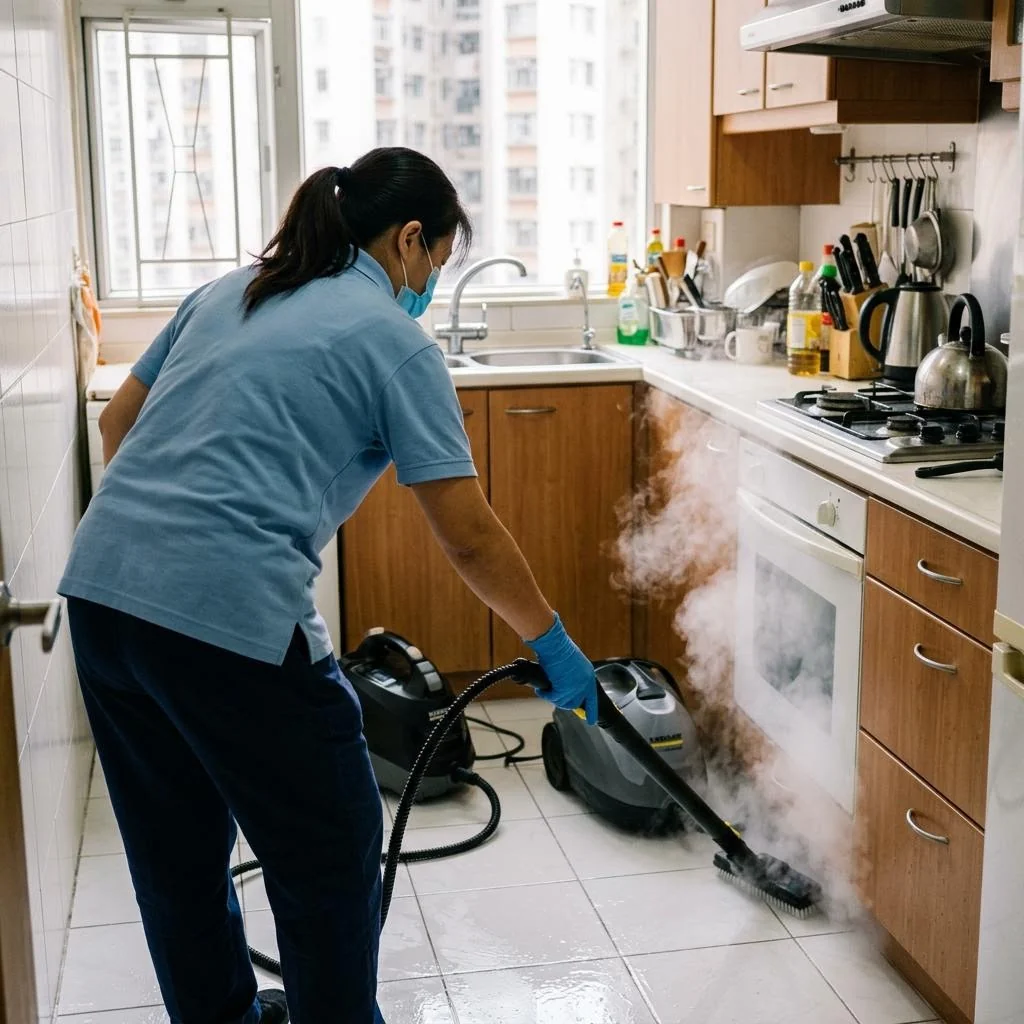
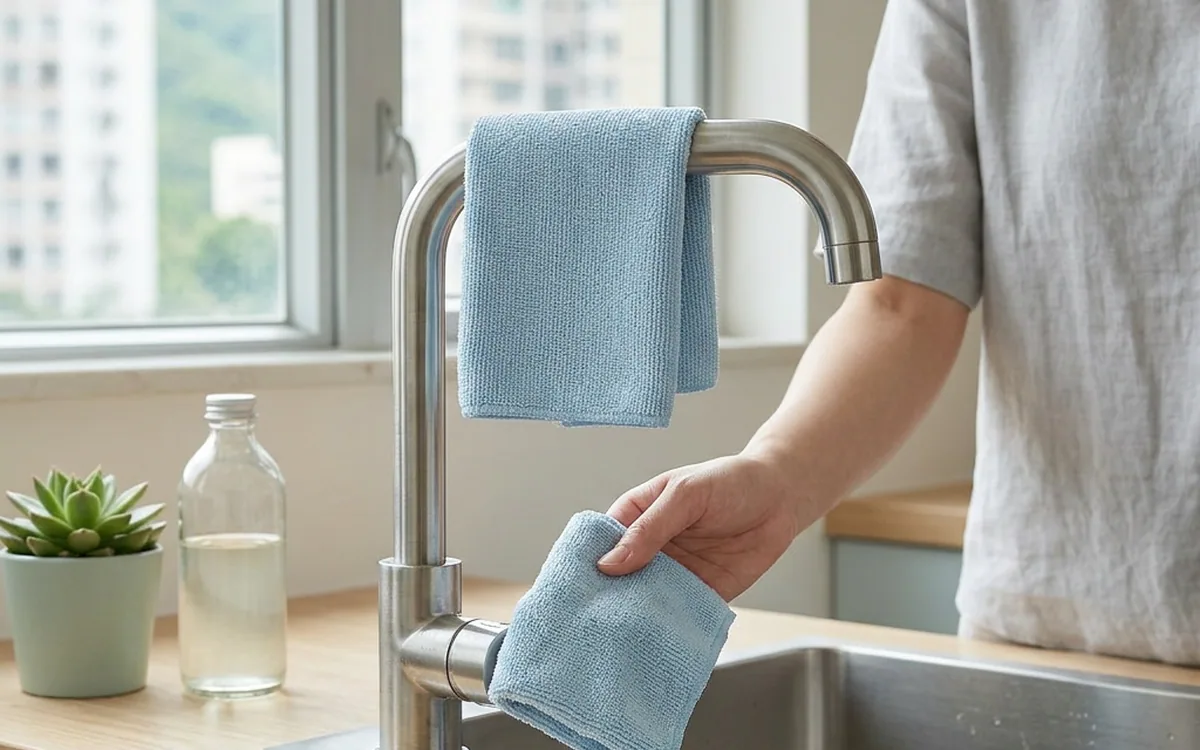
The fine oil film produced by cooking will oxidize and harden over time. While the kitchen still has residual warmth, use a slightly damp cloth to wipe stoves and tiles; this can destroy the foundation of oil accumulation with the least physical resistance, avoiding the need for strong degreasers later.
Bathroom scale and material maintenance
Scale crystals easily penetrate the pores of floor tiles. Do not blindly scrub vigorously to avoid destroying the glaze. Maintain ventilation in the bathroom daily, and wipe away moisture from mirrors and floors after showering to prevent mineral crystals from combining with human skin oils.
Safety inspections and material information
Different stains must be matched with corresponding detergents; for example, kitchen oil is usually acidic, so you need to use weakly alkaline dish soap for emulsification; bathroom urine scale is alkaline, requiring weakly acidic treatment. Note that materials such as marble and aluminum alloy are extremely sensitive to strong acids and alkalis; be sure to test on an inconspicuous area first.
When to seek professional assistance
Although daily maintenance can delay dirt accumulation, it cannot replace deep cleaning. If you find serious mold on wall corners, dust in air conditioners, or stubborn adhesive stains after renovation, it should be handled by 壹家壹清潔專家 to avoid damaging the home structure by using high-pressure tools or strong agents yourself.
When handling moldy materials, you can follow US Environmental Protection Agency's home mold prevention recommendations(opens in a new window)treatment and note the on-site and material restrictions.