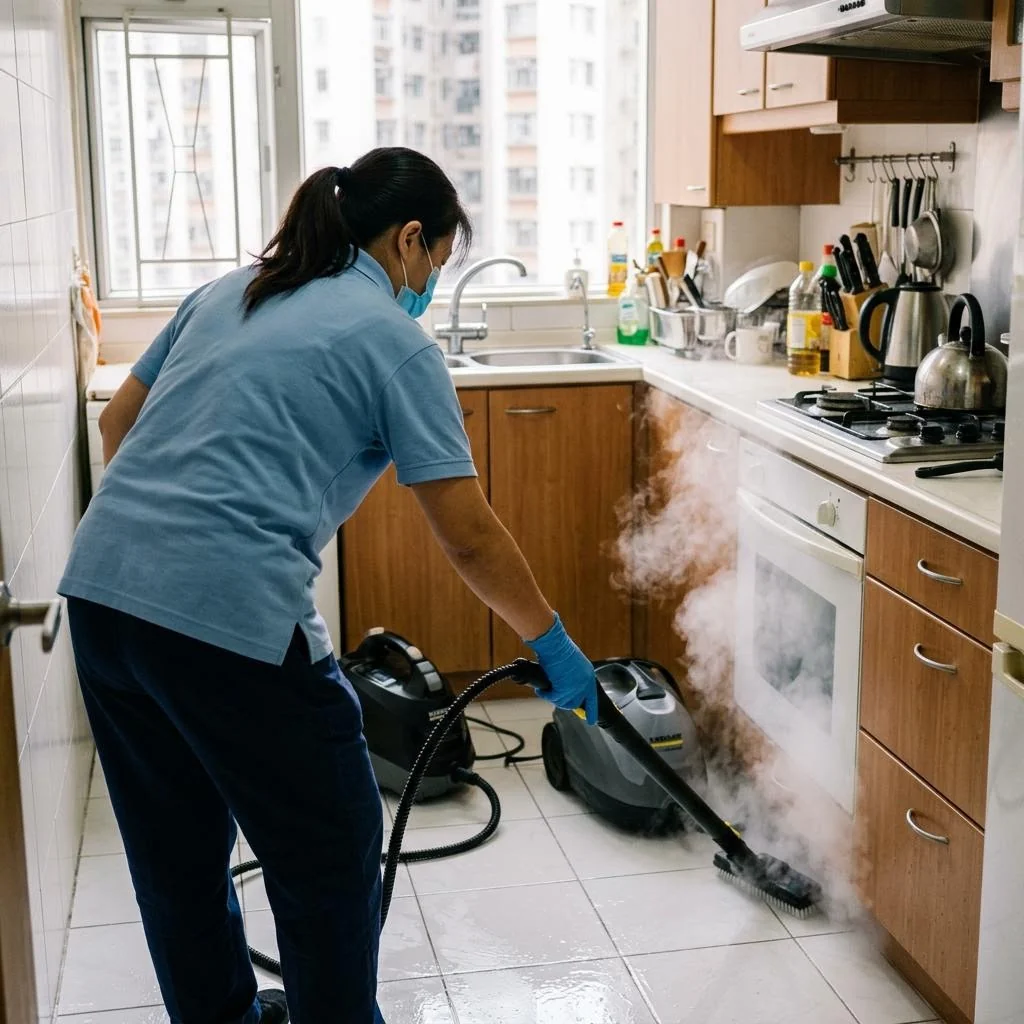
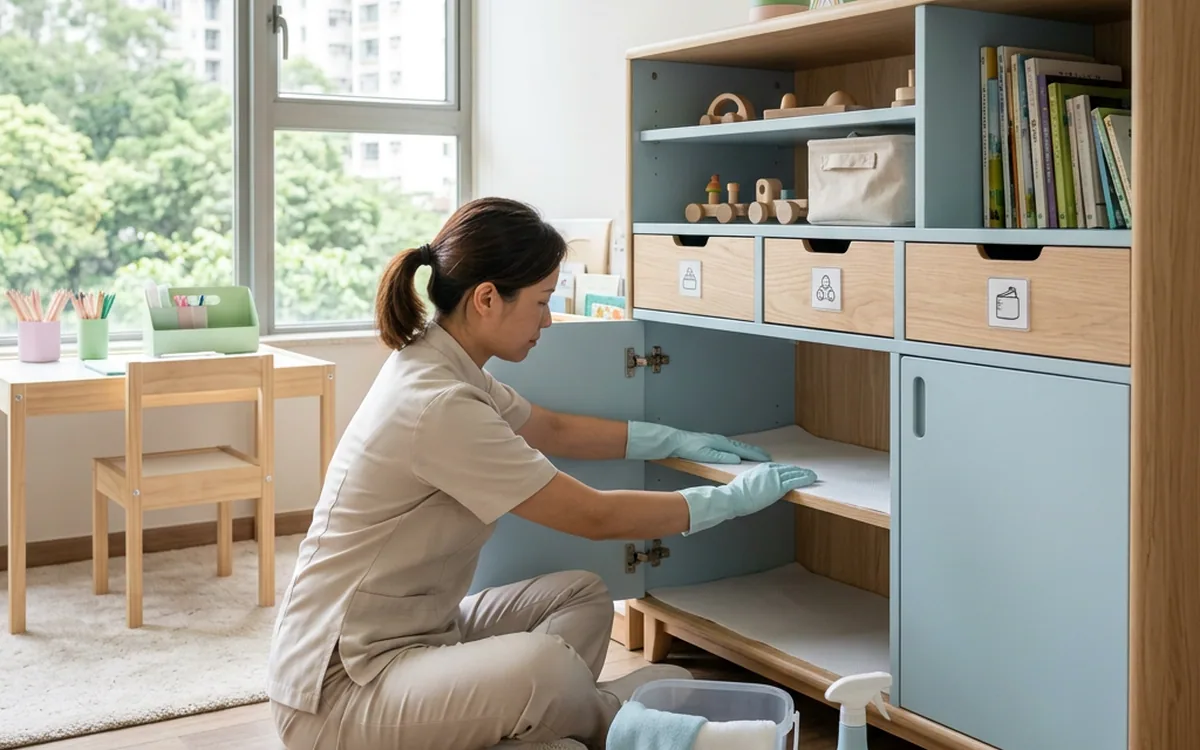
The focus of cleaning is to reduce allergens. Regularly wash fabric toys and change bed sheets. Floors should be cleaned with suitable agents based on material. If the room has mold or formaldehyde issues, prioritize ventilation and professional testing. Never paint or cover surfaces before removing contaminants.
Toy and bedding hygiene
Children's toys and bedding are in direct contact with them and must be cleaned regularly. Fabric toys should be machine-washed according to labels and dried thoroughly. Non-washable toys should be wiped with a neutral disinfectant cloth and completely air-dried before being given to the child. Bed sheets should be changed weekly, and mattresses should be checked for dust mite accumulation.
- Check toy manuals for cleaning requirements.
- Categorize washable and non-washable toys for processing.
- Keep bedding dry to prevent moisture-induced bacterial growth.
Floor and surface maintenance
Floor cleaning must consider the material: wood floors should use specialized wood cleaners and should not be mopped too wet to prevent warping; tile floors require attention to grout stains. If walls have accumulated dust, it is recommended to clean them with a dry or lightly damp cloth to avoid damaging the finish. Pay attention to material testing during cleaning to avoid using harsh chemicals directly.
- Choose suitable cleaning agents for floor materials.
- Must wipe dry after cleaning to ensure no water stains remain on the ground.
- Regularly check wall corners for mold spots.
Formaldehyde and air quality management
Child's rooms after renovation are prone to formaldehyde problems; the most effective method is to ensure indoor air circulation. If new furniture has been installed, keep windows open for ventilation. Do not try to mask formaldehyde odors with perfume or cleaning agents; these are not valid proofs of safety. If in doubt, seek professional instruments for testing.
- Ensure full ventilation after furniture assembly.
- If the odor persists, please use professional equipment to test.
- Do not spray chemicals randomly to remove odors.
When to stop DIY and seek professional advice
When the room has mold that cannot be removed, persistent renovation odors, or requires high-altitude cleaning or moving heavy furniture, stop DIY. 壹家壹清潔專家 can provide in-depth professional cleaning and air treatment services to protect your child's healthy growth space.
When handling moldy materials, you can follow US Environmental Protection Agency's home mold prevention recommendations(opens in a new window)treatment and note the on-site and material restrictions.
- Mold area is expanding or keeps recurring.
- Recommendations for professional post-renovation treatment.
- When high-altitude or deep maintenance of electrical appliances is needed.