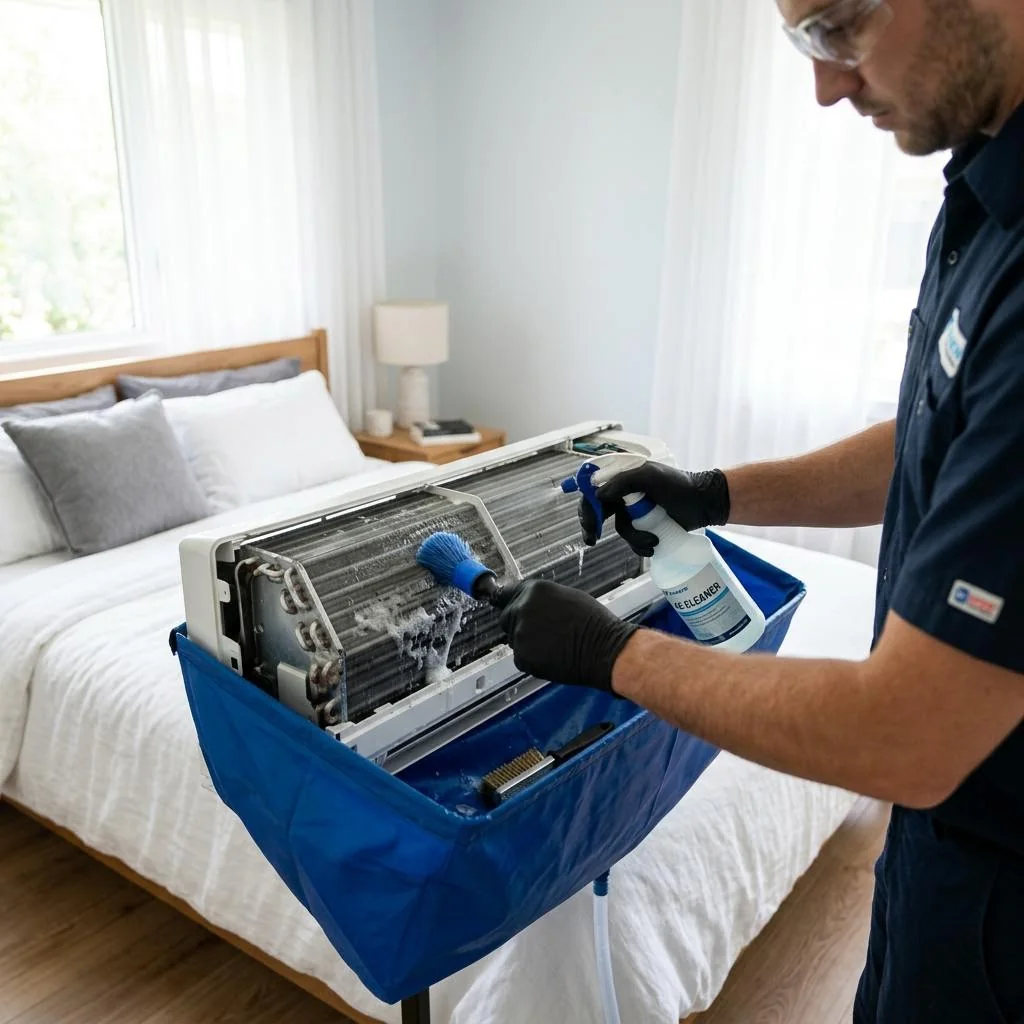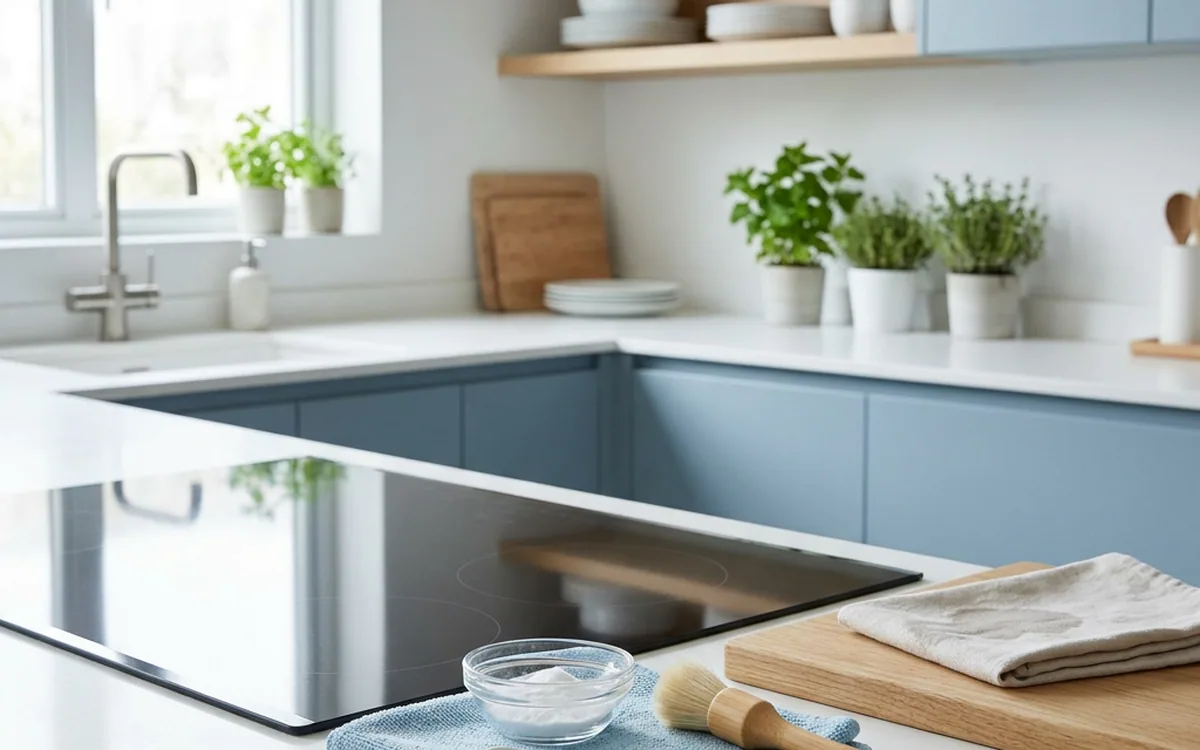
Induction cookers, ovens, and microwave ovens should be cleaned of grease immediately after use to avoid residue accumulation. Before cleaning, be sure to disconnect the power, select appropriate cleaning agents and tools according to the product's original manufacturer manual, and strictly forbid dismantling circuit parts on your own. Surface stains can be wiped with a damp cloth and neutral cleaning agent, and the power should only be reconnected after it is completely dry.
Induction cooker cleaning and maintenance
Cleaning the stove surface should be done after it has completely cooled down. First, use a soft damp cloth dipped in a small amount of neutral cleaning agent to wipe from inside to outside. If there are stubborn burnt marks on the surface, please use a dedicated stove cleaning paste for that model, let it sit, and then wipe lightly. Do not use steel wool or sharp metal scrapers to avoid scratching the glass surface. If there are food crumbs in the gaps at the edge of the stove, use a toothpick to remove them carefully, and do not let water penetrate into the circuit part.
- The power must be disconnected before cleaning.
- Use only neutral cleaning agents, avoiding strong acid and alkaline ingredients.
- Wipe thoroughly with a dry cloth after cleaning the stove surface to avoid leaving water stains.
- Check the air vent at the bottom of the stove for dust accumulation every week to ensure good heat dissipation.
- Disconnect the power and wait for the stove surface to cool down.
- Wipe away grease with a slightly damp soft cloth.
- Apply a dedicated cleaning agent for stubborn stains.
- After letting it sit for a few minutes, wipe it clean and keep it ventilated and dry.
Oven and microwave oven care
The inside of the oven easily accumulates grease smoke and should be cleaned with a non-corrosive cleaning agent. Remove the rack and turntable first and soak them in warm water and a neutral cleaning agent to clean. If there are grease stains on the oven wall, avoid the heating tube part when wiping. After cleaning the inside of the microwave, it is recommended to leave the oven door open to allow residual odors to dissipate. If you find the power cord worn or the shell damaged, stop using it immediately and arrange for professional repair; do not splice the wires yourself.
- Regularly check the airtightness of the oven door gasket.
- Clear internal scraps immediately after use to prevent carbonization.
- Do not spray clean the inside of the appliance with a water spray gun.
- Remove detachable components (turntable, racks).
- Clean detachable parts with neutral detergent and let them air dry.
- Wipe oil stains on the inner liner with a wrung-out damp cloth.
- Keep the oven door open until it is completely dry after cleaning.
Common mistakes and safety tips
The most common mistake is using high-concentration bleach or strong chemical cleaners, which may cause stainless steel to rust or release harmful substances. Never turn on the power when the appliance is not completely dry. If you encounter complex carbon accumulation or appliance failure, you should contact an original manufacturer-authorized technician for handling; do not forcefully dismantle it.
- Do not use strong acid or alkaline cleaning agents.
- Ensure the plug and socket are completely dry.
- When the appliance produces abnormal sparks or heats up slowly, it should be stopped immediately.
壹家壹清潔專家 service
We focus on providing professional cleaning services to solve the worries of your daily appliance maintenance and ensure the home environment is tidy and comfortable.
If you have cleaning needs, you are welcome to inquire in the following ways: