To treat liquid stains on a fabric sofa, you must immediately blot and absorb the area with a white towel or paper towel. Afterwards, wipe gently from the outside in, using a neutral, mild detergent for spot treatment. Remember that drying with high-temperature hot air is strictly prohibited; keep the room well-ventilated and let it air dry naturally to protect the material's structure.
Absorb immediately to prevent spreading
When a drink is spilled, your immediate reaction determines the difficulty of cleaning. Please take a clean white towel or kitchen paper towel right away and apply continuous vertical pressure to the stain. Use the principle of physical absorption to remove excess liquid and prevent it from soaking into the inner sponge layer of the sofa. Do not rub left and right or smear over a large area, as this may cause the pigment to spread to surrounding clean fibers.
- Prepare a clean white towel or paper towel
- Apply vertical pressure to the stained area
- Avoid rubbing movements
Gentle stain removal, test first
For residual color stains, a small amount of neutral dish soap mixed with lukewarm water can be used to create a mild solution. Before formal treatment, be sure to perform a material test on an inconspicuous corner of the sofa to ensure there is no fading or deterioration. After passing the test, dip a clean white cloth into a small amount of the solution and gently dab in circles from the outside in to prevent leaving a ring on the edges.
- Prepare a neutral cleaning solution
- Test material reaction in a hidden area
- Remove stains by dabbing gently from outside to inside
Avoid high heat, air dry naturally
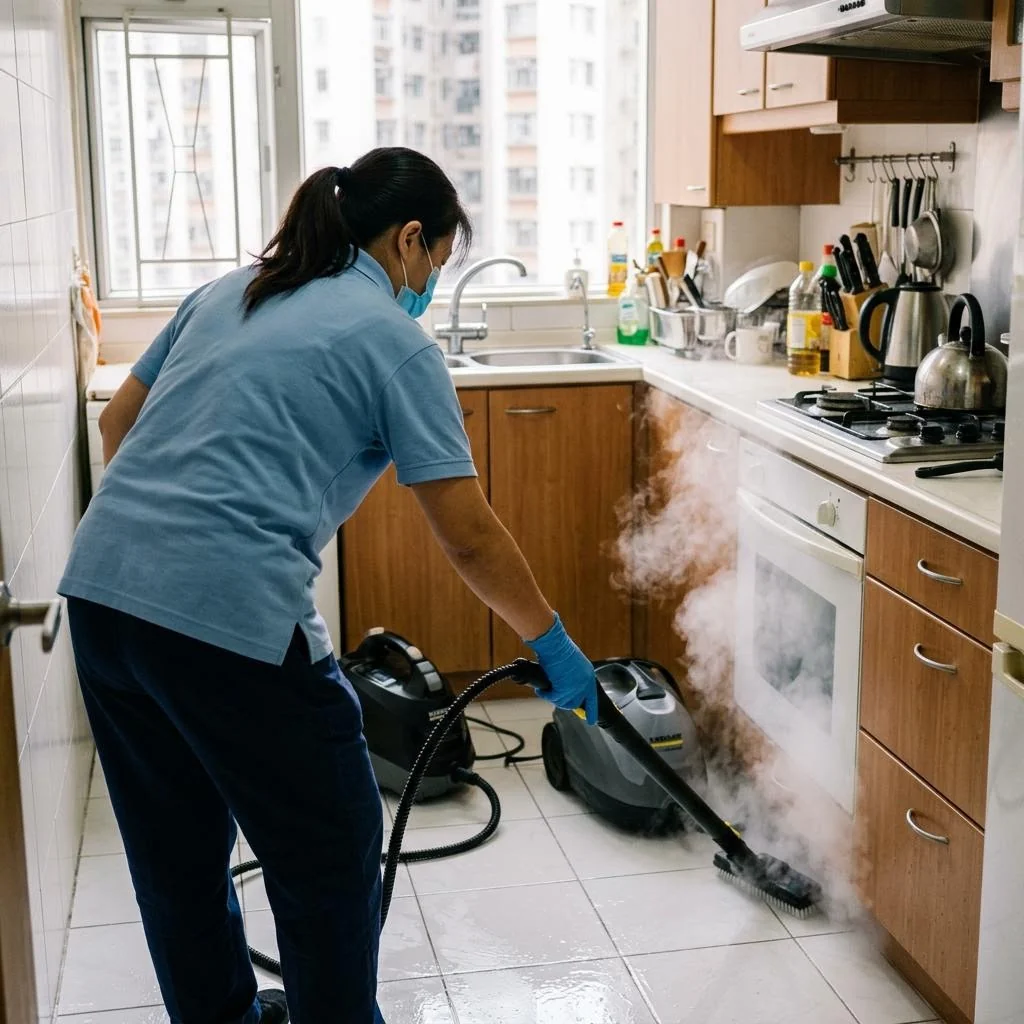
After completing the initial cleaning, do not use a hair dryer with hot air, and do not use forced high-temperature steam treatment. Excessive heat will cause the fabric fibers to shrink, deform, or be damaged. You should open windows and fans and allow it to air dry naturally in a well-ventilated room to protect the elasticity and texture of the fabric.
- Refuse to use hot air to dry
- Refuse forced steam treatment
- Air dry in a natural environment
Professional deep care
Home DIY can only treat the surface. If liquid soaks into the interior, it can easily lead to mold growth or unpleasant odors in a warm, humid environment. When the stained area is large, the situation is stubborn, or the fabric material is special, you should entrust a professional team to perform deep extraction cleaning to ensure that hidden organic waste is thoroughly removed, protecting your family's health.
- Assess the depth of stain penetration
- Seek expert assistance when necessary