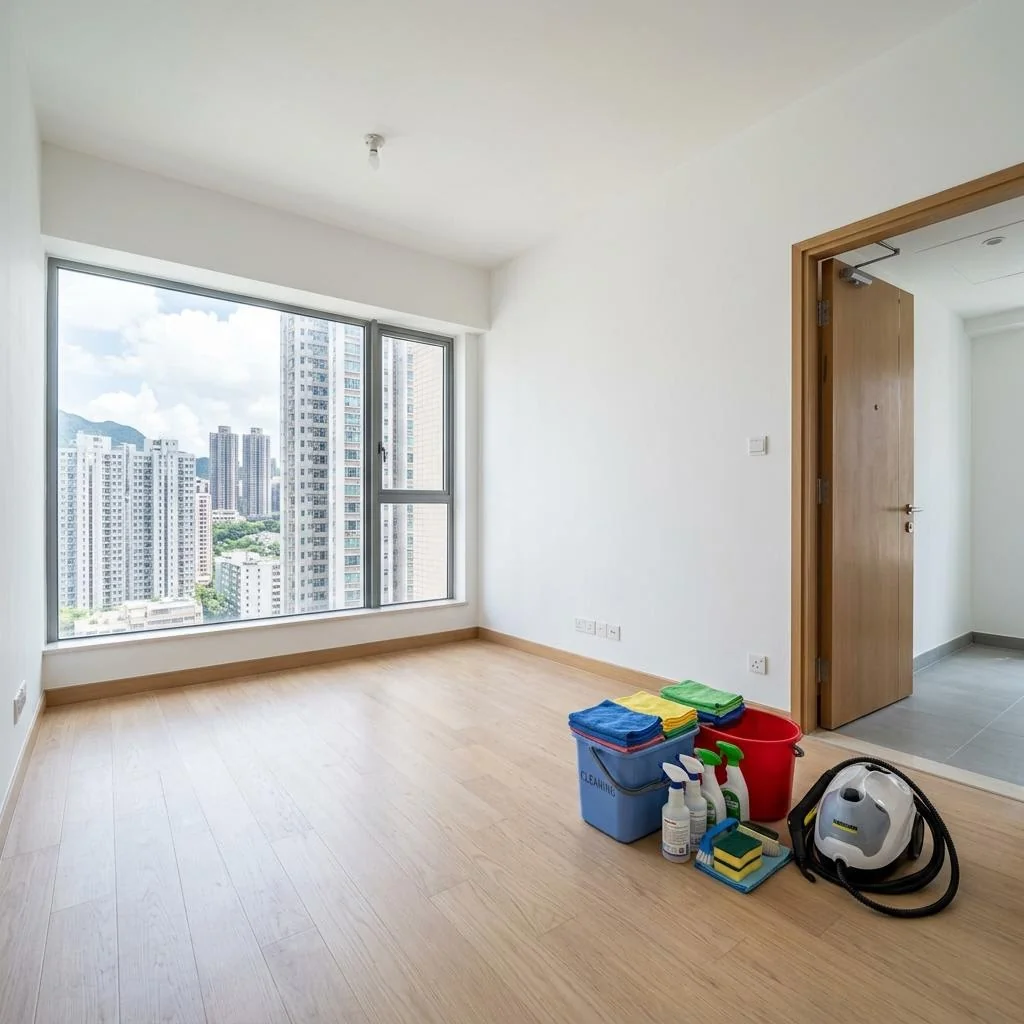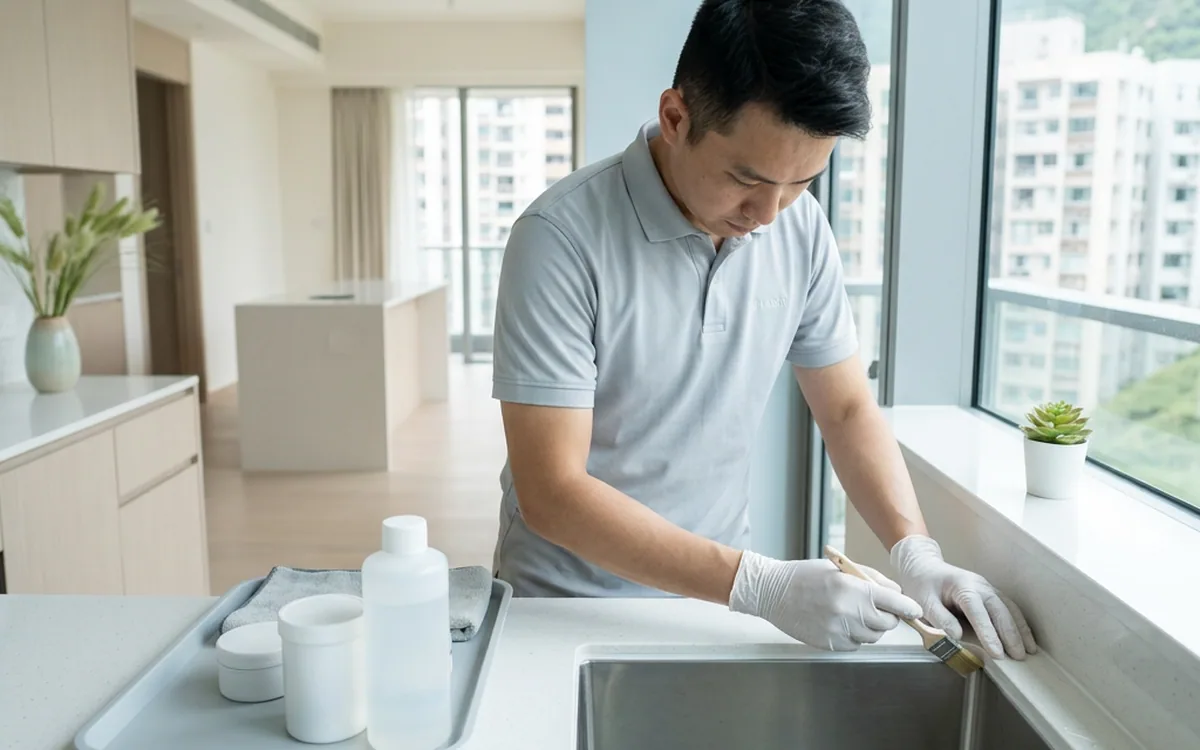
Detailed cleaning of a new home should be conducted from high to low. Focus on window tracks, the top of door frames, corners of drawers in cabinets, and rubber seals in kitchens and bathrooms. Do not use strong acid or alkaline agents, and according to different materials like wood and metal, use a slightly damp cloth and specialized tools for cleaning. Avoid excessive use of water and maintain ventilation after cleaning.
High-level cleaning should be handled first
Cleaning should follow the principle of 'high to low'. The top of air conditioners, light slots, the tops of cabinets, and high door frames are often zones where renovation dust accumulates. Addressing high positions first avoids dust falling onto already cleaned floors or countertops. It is recommended to use suitable ladders and pay attention to your own safety; do not engage in dangerous DIY high-altitude operations.
- Clean the tops of cabinets, light slots, and above air conditioners
- Avoid high-altitude DIY risks
- Ensure dust is removed first as it falls from high places
Delicate dust removal for window tracks and gaps
Window tracks often contain construction sand, insect remains, or hard debris. If this fine debris is not removed, it is prone to producing a musty smell after long-term exposure to dampness or affecting the smoothness of opening and closing. When cleaning, you should first vacuum, then wipe along the rail gaps with a slightly damp cloth, and do not use sharp tools to scratch the surface.
- Clear debris from window tracks
- Vacuum sand and dust from gaps
- Gently wipe window frame edges
Detail checks for cabinets and kitchens/bathrooms
Cabinet interiors, drawer tracks, under sinks, and bathroom silicone seals often retain renovation glue stains or wood shavings. During the inspection process, pay attention to water marks and potential mold. If you discover stubborn glue marks, please test them with a specialized remover before use, and do not forcefully scrape with hard objects to avoid damaging the panels.
- Clean cabinet shelf edges and tracks
- Handle dirt on bathroom silicone seals
- Confirm cleaning methods suitable for the material
Careful care for appliance panels
Sockets, switch panels, and smart home controllers often have fingerprints and dust marks after renovation. Note that you must not spray cleaning agents directly onto electrical switches, nor should you use excessive water to avoid it seeping into circuits and causing a short circuit. Use a slightly damp cloth to wipe the surface clean and be sure to keep it dry.
- Check the surface of electrical switch panels
- Do not spray water at circuit locations
- Ensure the area is completely dry after cleaning