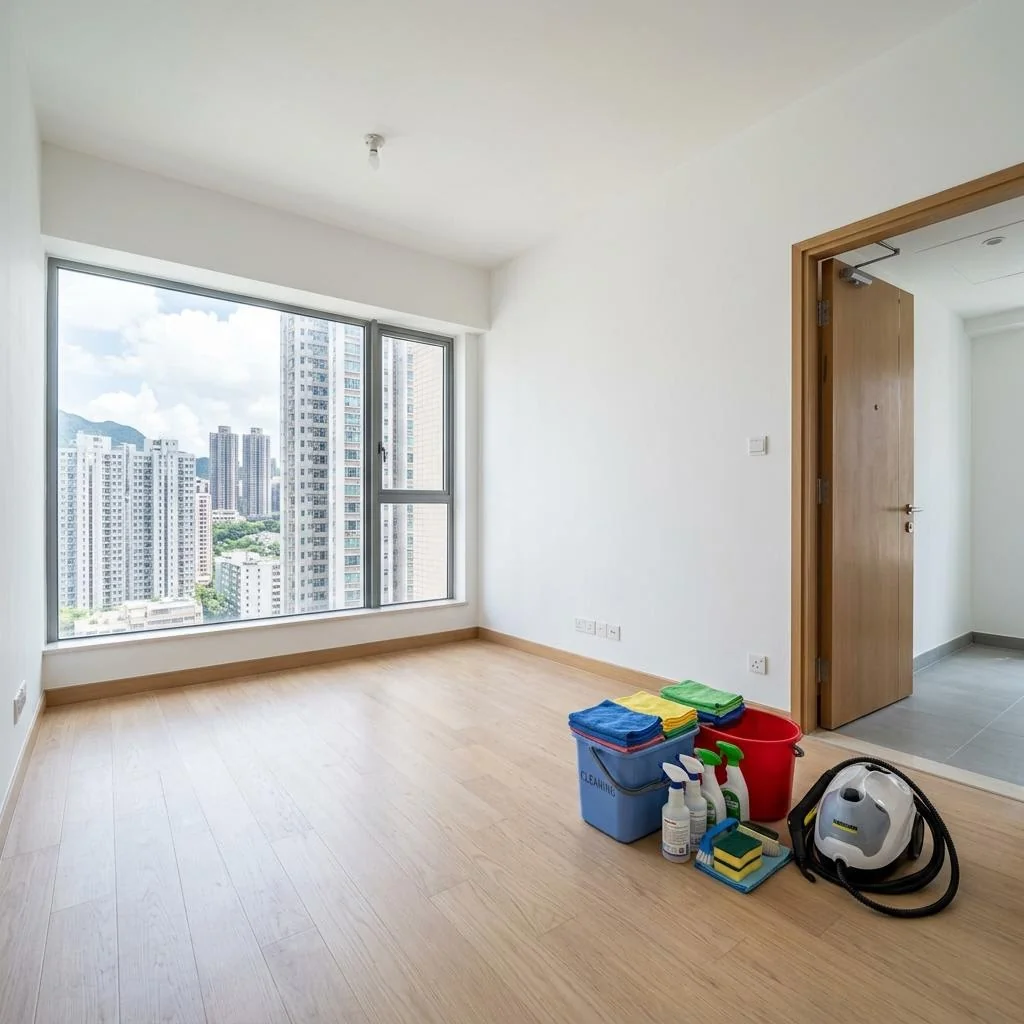
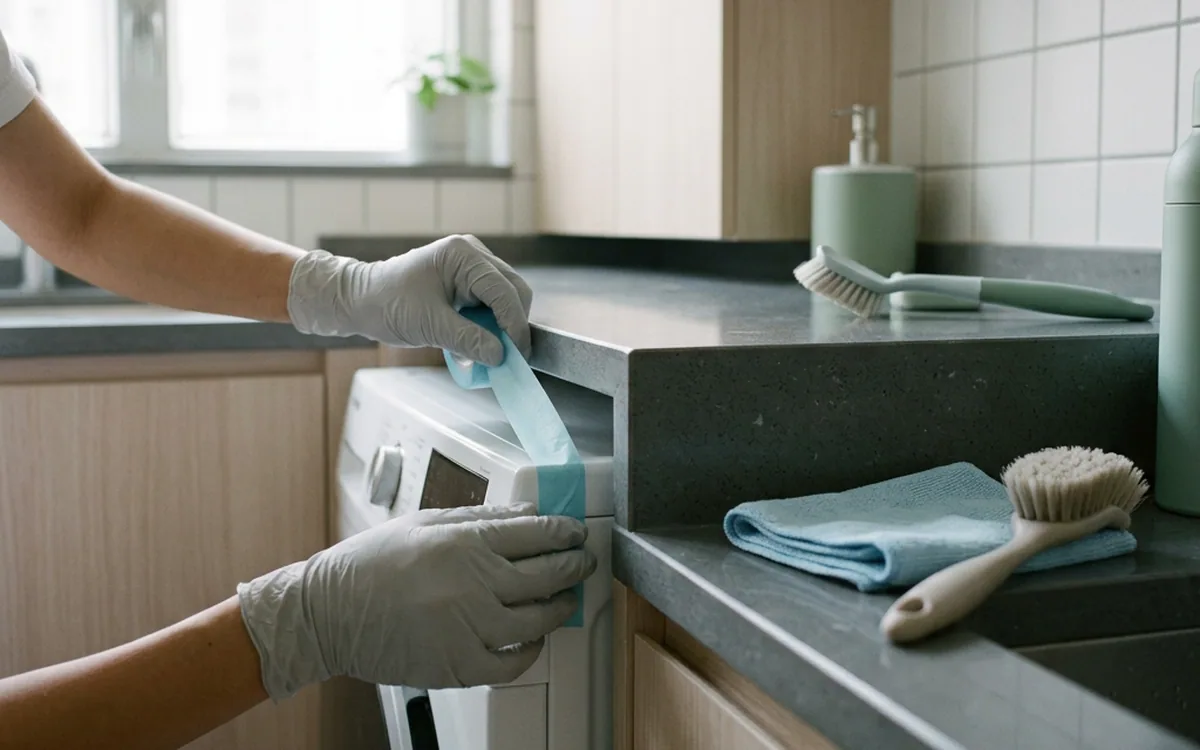
The key to cleaning small spaces lies in simplifying the environment and using tools flexibly. You should first perform a "declutter" to reduce accumulation and use a multi-functional vacuum cleaner to get into narrow corners. The key is to remove clutter first, then clean from top to bottom and inside out to avoid re-contamination. Test cleaning agents on small areas for different materials to ensure safety.
Common Challenges in Cleaning Small Spaces
Small spaces mainly face storage pressure and dust accumulation in dead corners. Limited area makes items easy to pile up, and the diverse materials of furniture increase cleaning difficulty. Without systematic planning, narrow gaps are easily overlooked, leading to long-term dirt buildup.
Preparation and Planning for Effective Cleaning
Before cleaning, clear off surfaces and floors, and handle unnecessary items. Choose suitable small cleaning tools, such as vacuums with extension nozzles or microfiber cloths, to effectively tackle narrow gaps. Material selection must be based on furniture type to avoid damage from strong corrosive products.
Standard cleaning execution steps
Cleaning should follow the principle of top-to-bottom and far-to-near. Use a dry cloth for dusting first, then wipe with a suitable cleaner based on the material. For stubborn dead corners, use a soft brush or toothbrush for assistance, and finally ensure all surfaces are fully dry to prevent moisture.
- Remove all clutter that hinders cleaning.
- Use microfiber cloths with appropriate cleaning agents for initial wiping.
- Use small brushes to deeply handle dead corners.
- Check if all surfaces are clean and thoroughly dried.
When to Stop DIY and Seek Help
If it involves circuit systems, hard-to-reach high areas, or if stubborn mold is found, it is recommended to seek professional team processing. 壹家壹清潔專家 provides targeted techniques and tools to ensure cleaning results and maintain the safety of residents.