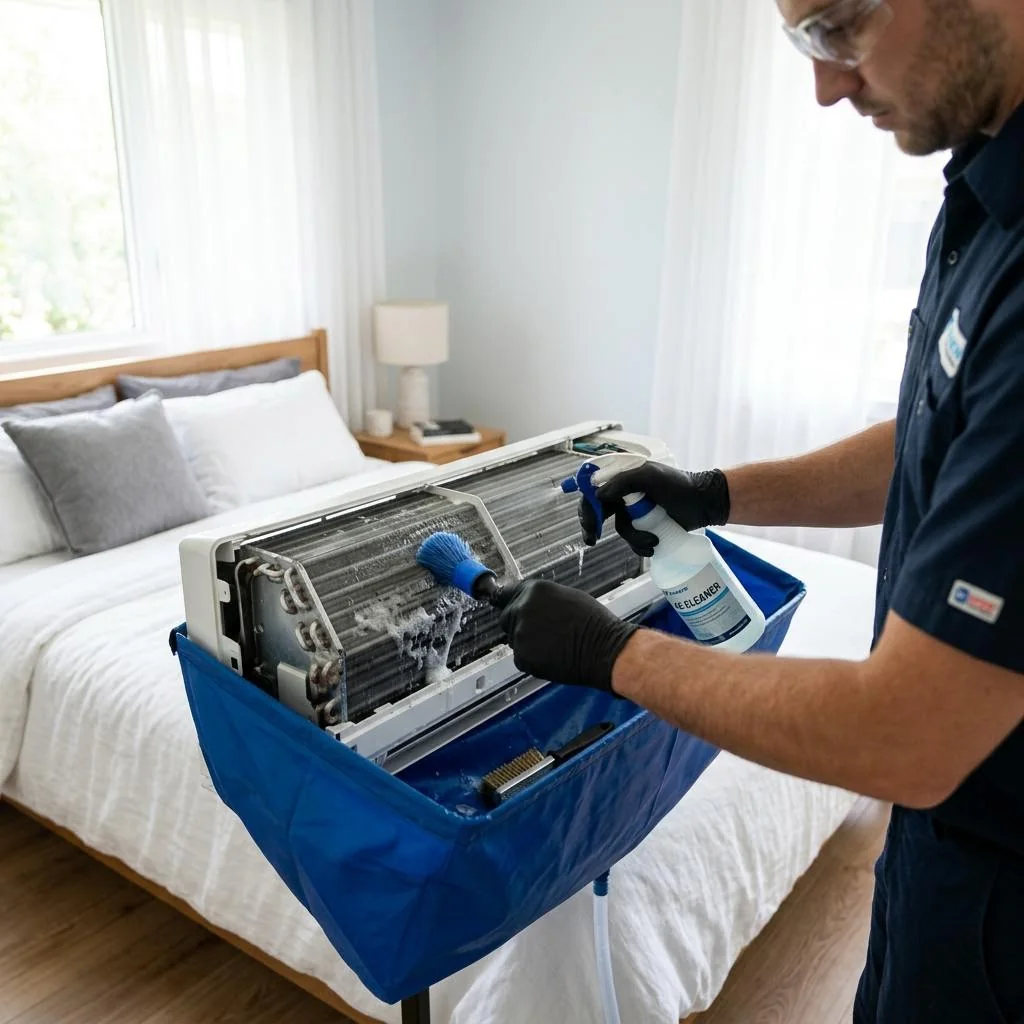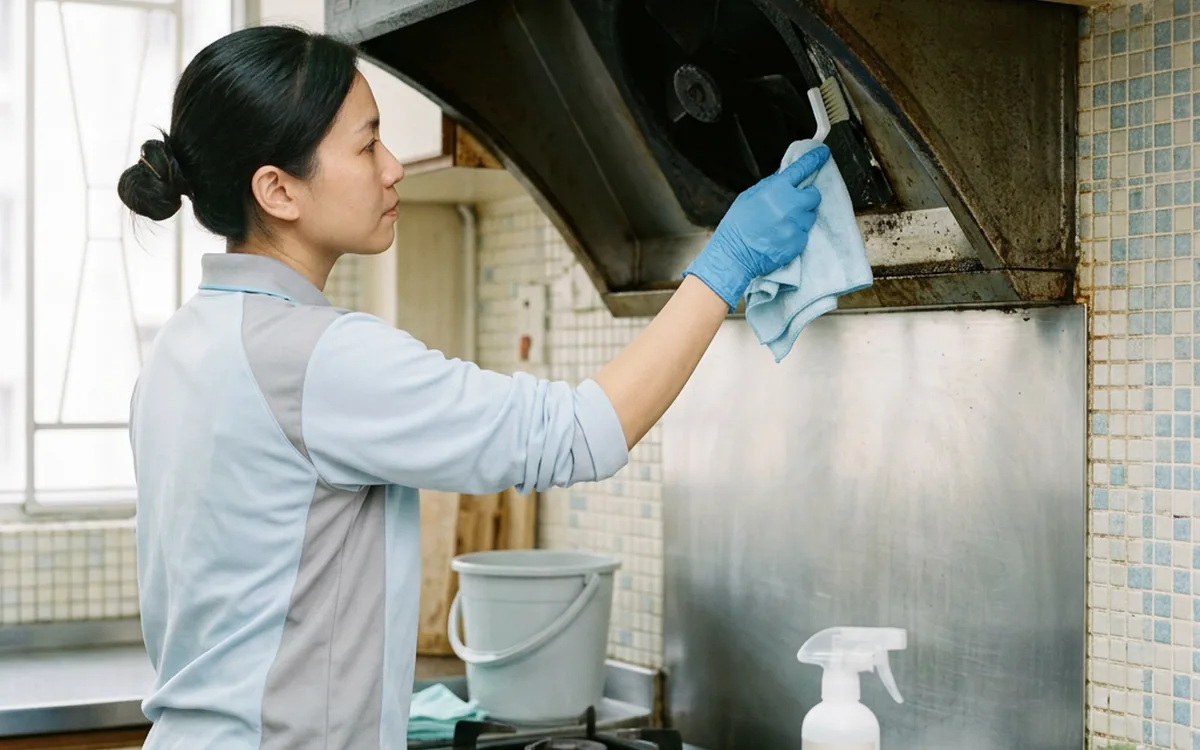
Use high-temperature steam and degreasing tools to help soften stubborn oil stains; before processing, confirm whether furniture materials can withstand high temperatures and chemicals. For materials in old buildings, the choice of cleaning agents must consider the anti-penetration protection of tiles or marble. Do not mix agents yourself to avoid damaging surfaces or producing toxic gases.
Causes of stubborn oil stains
The main reason why oil stains in old kitchen buildings are difficult to remove is that cooking fumes have mixed with dust over long-term cooking and hardened on the surface due to high temperatures. Furthermore, if the kitchen uses porous building materials such as old-style tile joints or natural stone, the oil stains may have penetrated into the pores, forming deep-seated pollution that is invisible to the naked eye.
Operational advantages of professional cleaning
Professional teams can handle dirt through a combination of physical and chemical methods. For example, using high-temperature steam to decompose oil molecules, combined with eco-friendly cleaning agents specifically for different materials, ensures the finish is not damaged during cleaning. Meanwhile, for range hoods, professionals perform deep cleaning by dismantling, which is more effective than just wiping the outside.
Material protection and safety warnings
When performing DIY cleaning, it is strictly forbidden to mix different cleaning agents, especially chlorine bleach and acidic cleaners; mixing them produces highly toxic gas. Also, test the agent in an inconspicuous area before cleaning to confirm the material will not fade or be damaged. If the dirt has already caused material erosion or aging, acknowledge the limits of cleaning and assess whether repairs are needed.
Before using bleach, please first understand Method for using bleach from the Centre for Health Protection(opens in a new window), and operate according to the product label.
- Check the material type and test the cleaning agent in corners.
- Mixing bleach with other agents is absolutely prohibited.
- If using high-temperature equipment, check the electrical load and the heat resistance of the equipment.
- Check equipment function after completion to ensure parts are correctly reinstalled.
Judgment criteria for seeking services
When choosing professional cleaning services, prioritize companies that provide on-site assessments beforehand. A professional team can clearly explain which stains can be removed and which are aging damage, avoiding unreasonable and excessive promises. 壹家壹清潔專家 provides professional assessment services; it is recommended to contact them for the latest pricing and plans.