
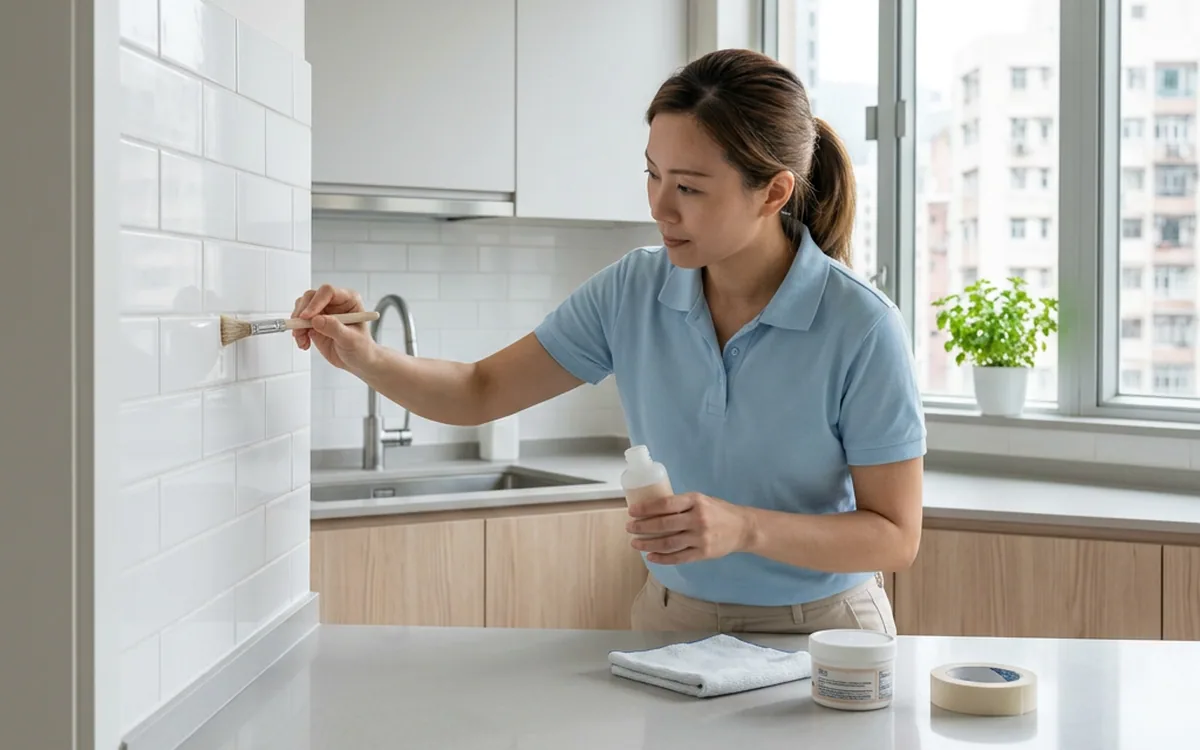
Post-renovation cleaning should be carried out from top to bottom and from inside to out. The primary task is comprehensive dusting, including inside cabinets, drawers, and window tracks. For stubborn stains, be sure to test the impact of cleaning agents on the material first. 壹家壹清潔專家 suggests that if large amounts of construction waste or delicate repairs are involved, you should hire a professional team to handle it to ensure that fine dust is thoroughly removed and damage to renovation materials is avoided.
Renovation Cleaning Preparation
Post-renovation cleaning prioritizes dusting. First, use a vacuum cleaner to thoroughly clean all inside cabinets, drawer tracks, and window tracks. Do not use strong solvents to wipe newly built surfaces directly; test the cleaning agent reaction in an inconspicuous location first to avoid fading or damage to the materials.
- Use a powerful vacuum cleaner to remove floating dust from all surfaces and crevices first
- Check all cabinet interiors for wood chips and dust
- Wipe renovation stains on window frames, door locks, and switch panels
- Clean residue inside all electrical outlets
Professional Dust Removal and Material Protection
Renovation dust is extremely fine; traditional brooms cannot remove it and will cause it to float in the air. Use a vacuum cleaner suitable for the dust and materials combined with a soft brush, and check corners and tracks for remaining dust afterward. For delicate materials, it is recommended to use microfiber cloths to prevent scratching finishes.
- Use a soft brush to clean dust from grooves
- Use microfiber cloth with water to wipe surfaces
- Check all hardware for corrosion or paint droplets
Deep cleaning for kitchen and bathroom
The kitchen and bathroom are where the most renovation residue accumulates. Specifically, sediment and limescale in water pipes must be checked and cleaned. Protective films on stoves and range hoods must be torn off, and glue residue on edges must be cleaned. Do not use hard brushes to scrub stainless steel surfaces to avoid permanent scratches.
- Tear off all equipment protective films and clean glue residue
- Rinse sink filters and drain sediment
- Use neutral dish soap with a sponge to wipe equipment exteriors
When to Stop DIY and Inspection Indicators
If you find corrosion on stone or severe discoloration on wooden floors, stop DIY immediately and seek professional help. After cleaning is complete, perform a white-glove inspection: wipe the tops of cabinets and baseboards with a white glove; if there is no obvious gray dust, it means the cleaning has reached the standard.
- No dust residue on cabinet tops and high locations
- No dust accumulation at the joints between baseboards and cabinets
- All hardware components operate smoothly and are free of stains
