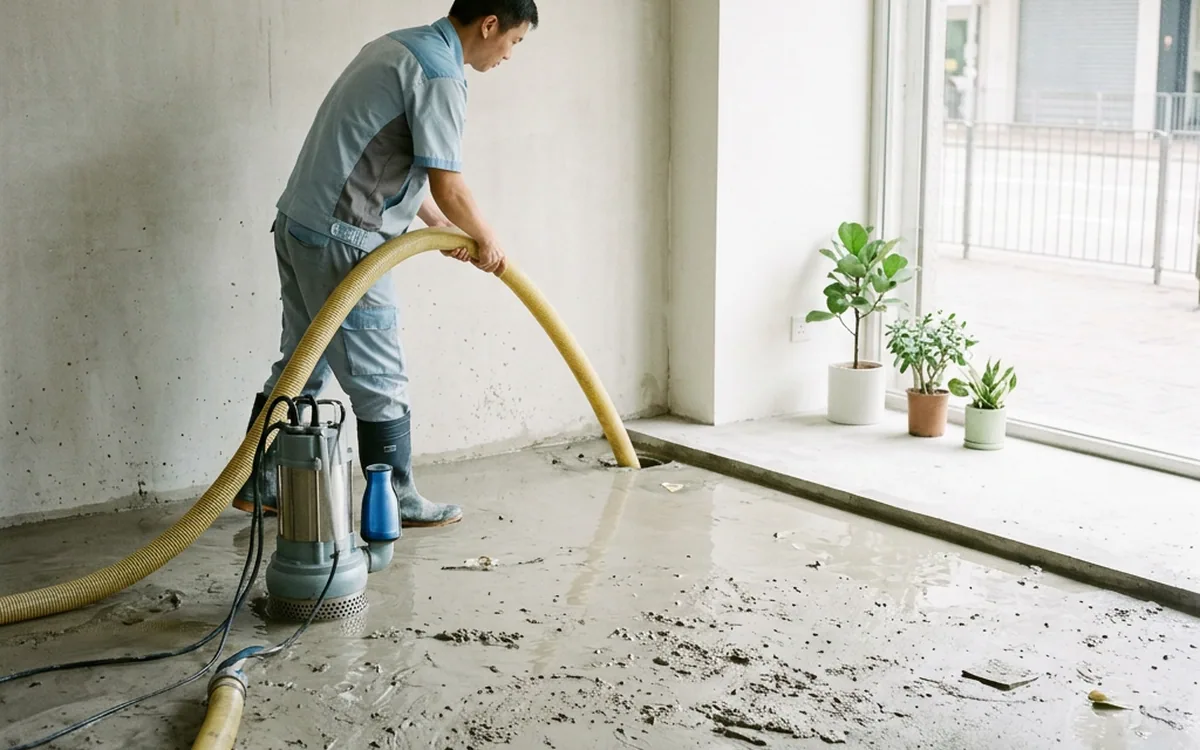
First, have a qualified person disconnect the power to ensure safety. When cleaning, do not flush with water directly; first manually shovel away mud and transport it away to avoid drain blockage. Subsequently, use an industrial water-suction machine to handle remaining moisture, and let the walls naturally release humidity to prevent structural secondary damage caused by hydrostatic pressure.
Structural hazards and environmental safety after flooding
The primary crisis after shop and basement flooding is "hydrostatic pressure" caused by the walls absorbing water. If you rush into renovation without letting the water release completely, it will lead to mold and structural deformation. In addition, if organic matter and chemical substances remaining in the mud are not handled properly, they will cause secondary pollution.
When handling moldy materials, you can follow US Environmental Protection Agency's home mold prevention recommendations(opens in a new window)treatment and note the on-site and material restrictions.
Key safety precautions before cleaning
Before starting to clean, be sure to contact an electrician to confirm that the power is cut off. It is strictly forbidden to enter the flooded area without ensuring electrical safety. During the cleaning, check whether the wall plaster is hollow and record the extent of damage for assessment.
- Contact an electrician to cut off the power to low-level switches and distribution boxes.
- Check the condition of the wall plaster and the extent of damage to furniture.
- Wear protective gear to prevent contact with bacteria in the mud.
Correct mud and standing water cleaning procedures
Many people are accustomed to directly washing away mud with a hose, which causes drain blockage and sewage backflow. The correct procedure is to manually shovel away heavy mud first, then proceed with water suction treatment.
- Use a plastic shovel to clear large areas of thick, heavy mud.
- Use a high-power industrial water-suction machine to remove remaining moisture.
- Only after the floor structure has naturally dried can disinfection and moisture-proofing treatment be performed.
When to seek professional technical support
Faced with large-scale flooding, deep stains in hidden spaces, and severe wall seepage, relying solely on daily tools is difficult to thoroughly handle. 壹家壹清潔專家 provides professional post-disaster response services to ensure the cleaning process complies with safety standards and reduces the risk of renovation and equipment scrapping.