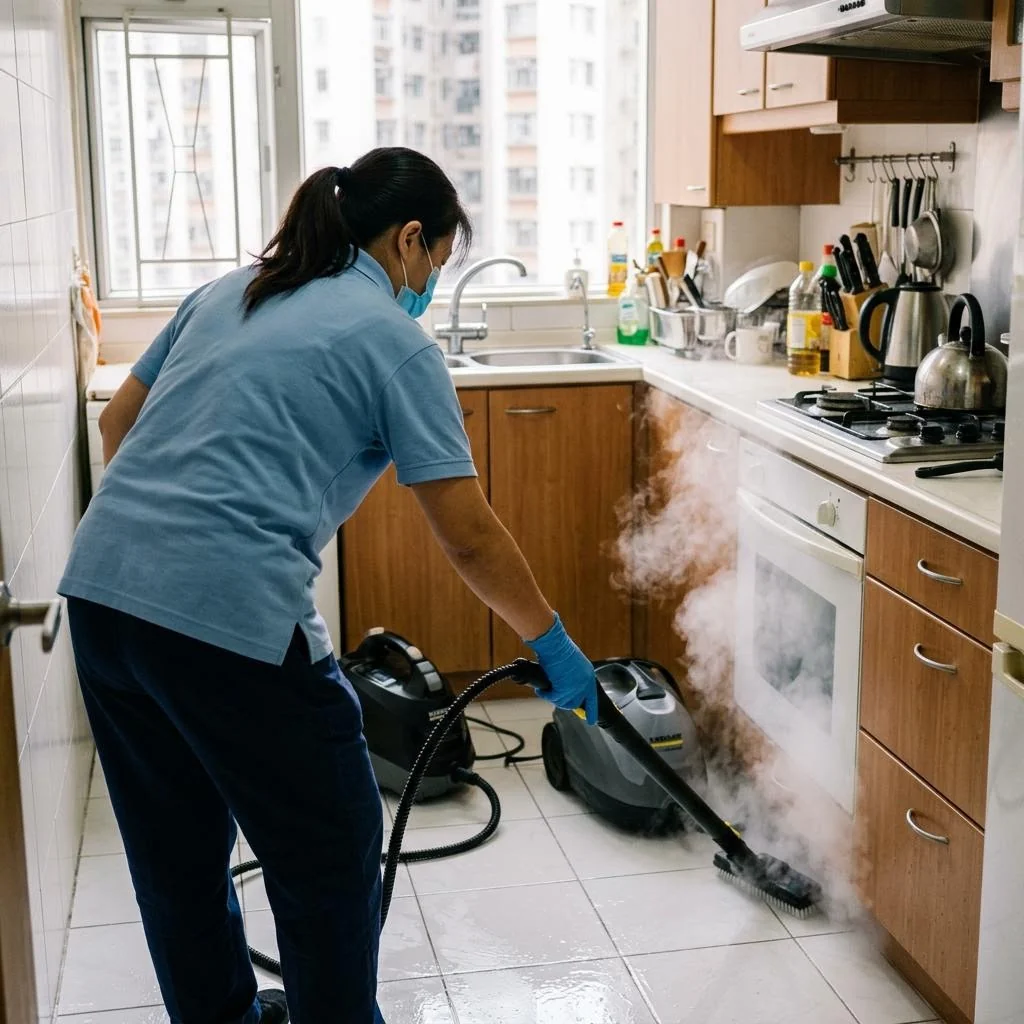
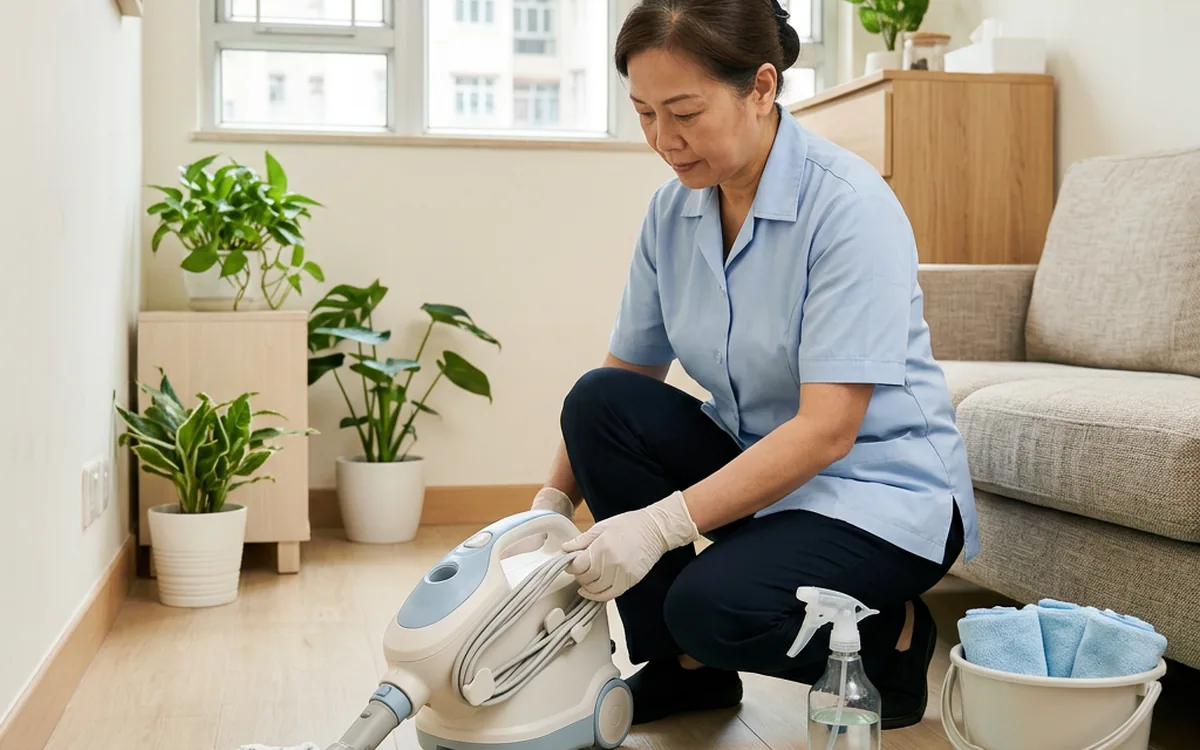
Steam cleaning uses thermal energy to soften dirt, but its application is limited by the material's heat and moisture resistance. Materials like wooden floors, leather, and coated furniture may deform or delaminate due to high heat. Meanwhile, steam does not automatically disinfect or remove formaldehyde; during operation, avoid electrical circuits to prevent the risk of short circuits.
How does steam help with cleaning?
Heat and moisture can help soften dirt on suitable surfaces, but the loosened dirt must still be removed afterwards. Just spraying steam without handling the residue does not mean the entire cleaning process is complete.
The indicated temperature of the equipment nozzle does not mean every surface reaches the same conditions, so sterilization percentages cannot be directly applied.
Which surfaces require special care?
Check manufacturer requirements first, especially for locations with plastic, paint, sealants, or special coatings on the surface.
| Location | Limitations to note |
|---|---|
| Wooden floors and seams | Heat and moisture sensitivity, coating and expansion |
| Leather and special fabrics | Dyeing, deformation, and surface treatment |
| Adhesive tapes and edge banding | Heat may affect the bonding |
| Electrical appliances and sockets | Avoid steam entering circuits |
| Stone and coatings | Follow material and sealant requirements |
How to test before use?
Identify the material first, then test in an inconspicuous area with appropriate settings, and observe for discoloration, blistering, or marks. Testing cannot guarantee there is no risk for the entire aged surface.
- Check material and equipment instructions
- Exclude circuits and locations that cannot get wet
- Small area test
- Control distance and duration of contact
- Wipe away loosened dirt and dry as required
Does steam equal disinfection or formaldehyde removal?
The purposes of cleaning, disinfection, and indoor air pollution treatment are different. If a specific disinfection effect is to be claimed, there must be evidence matching the actual product, equipment, and contact conditions; the term "high temperature" cannot be used as a substitute.
Formaldehyde may be continuously emitted from materials; you cannot treat wiping a surface with steam as proof that indoor air meets standards long-term.
How should I ask when choosing a cleaning service?
Ask which locations will be steamed, which will use other methods, and how wood, appliances, and fabrics will be protected. Equipment names are part of the method, not a guarantee that it is applicable to all surfaces.
If there are already cracks, loosening, dampness, or aging, record and inform the team, and arrange for repairs if necessary rather than intensifying cleaning.