Before cleaning the floor, identify the material. Wood floors should be kept dry, with excessive water strictly prohibited; tiles need focus on cleaning gaps; stone should avoid strong acids and alkalis. 壹家壹清潔專家 suggests using a vacuum cleaner first to remove sand, then selecting suitable agents based on the material, and finally ensuring the floor is thoroughly air-dried to protect the finish from damage.
Wood floor maintenance and cleaning
Wood floors have moisture-absorbing properties, and excessive moisture will lead to deformation or mold. When cleaning wood floors, you should use a vacuum cleaner instead of a broom to reduce fine dust particles scratching the surface. The mop only needs to be slightly damp, and you should use a dedicated wood cleaner, avoiding products with heavy wax content, as they easily attract dust.
- Use a vacuum cleaner to clean dust in gaps
- Use a slightly damp microfiber mop to wipe
- If there are stains, only spot-treat with wood cleaner
Deep cleaning of tile floors
Although tiles are water-resistant, gaps are prone to accumulating oil and dirt. When cleaning, you should use a neutral cleaner, combined with a soft brush to clean the gaps. If calcification occurs, inquire whether the cleaner components are compatible and avoid using rough steel wool to prevent damaging the tile glaze.
- Remove sand and stones from the surface to prevent scratching
- Mop the floor with diluted neutral dish soap
- Use a soft brush to scrub dirt in the gaps
Special care for stone floors
Natural stone (such as marble) is extremely sensitive to acid and alkali; vinegar, lemon juice, or general cleaners may cause permanent corrosion (matte spots). You must use stone-dedicated care agents and periodically perform sealing treatment to maintain its stain resistance and luster.
- Absolutely forbidden to use acidic cleaning liquids
- Use stone-dedicated wax or cleaner
- If scratches appear, please contact a professional stone polishing team
Common mistakes and professional consultation
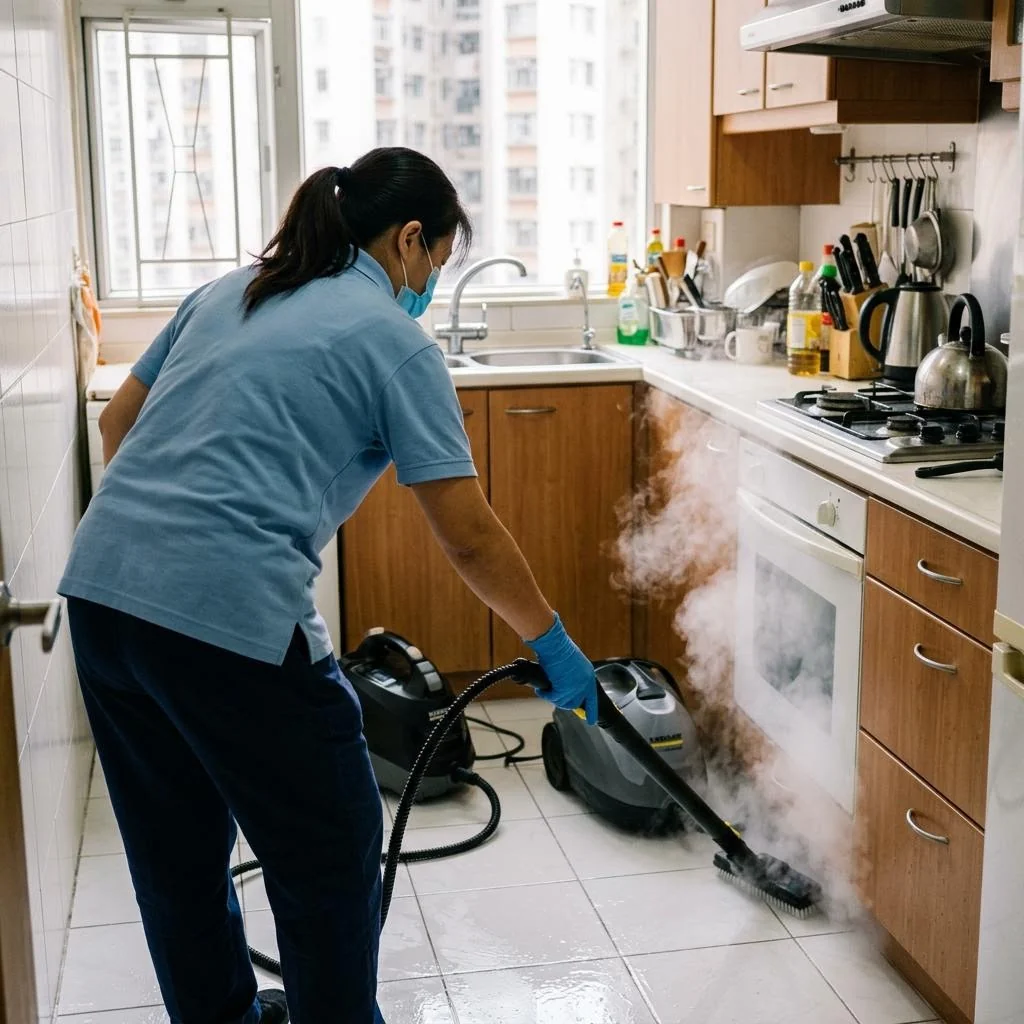
Common mistakes include using high-temperature steam machines on stone and using excessive moisture on wood flooring. When you discover water damage, peeling, or deep stains that cannot be removed, stop your DIY attempts. Seek a professional team for an assessment to avoid secondary damage.
- Stop water-based cleaning immediately if you notice warping.
- Regularly check the condition of floor seams.
- For complex stains, it is recommended to consult the original manufacturer's maintenance manual first.