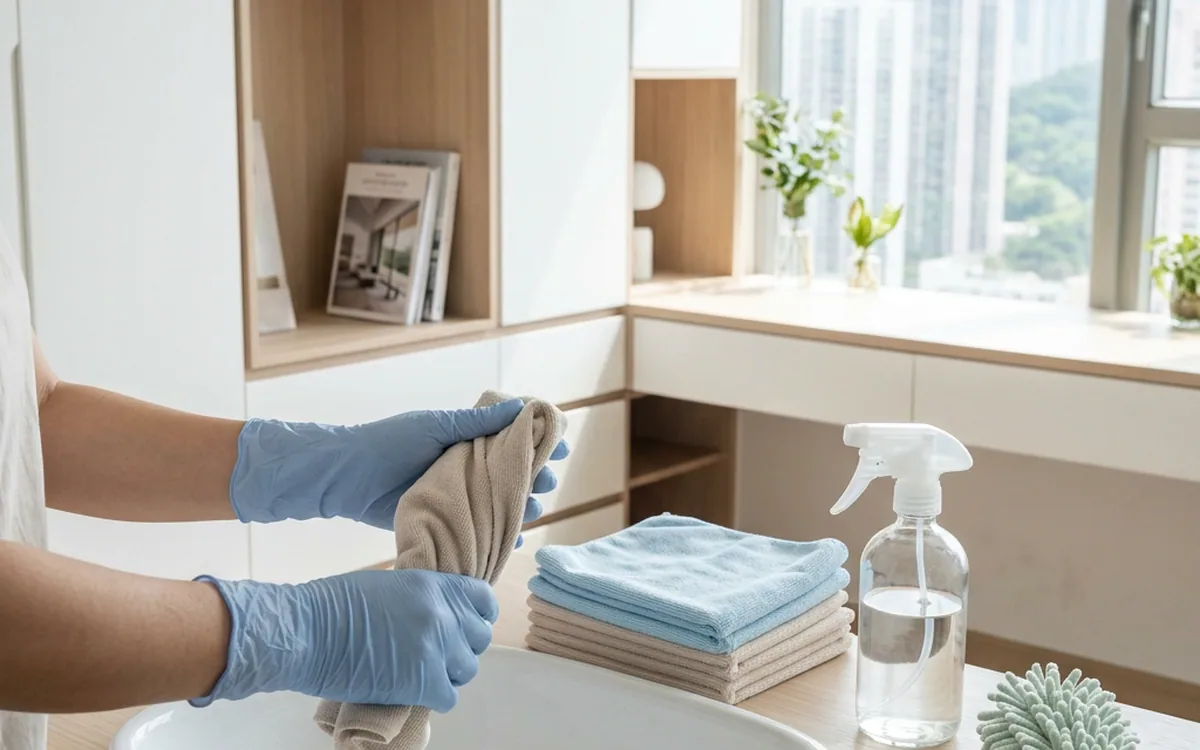
Adopt a "top to bottom, inside to outside" order for cleaning, and switch to using microfiber cloths and HEPA filter vacuum cleaners. Avoid using traditional feather dusters for dry wiping, which can reduce nasal allergy reactions caused by indoor suspended particles.
Why traditional cleaning exacerbates allergies
Many common cleaning actions, such as using feather dusters or dry cloth wiping, cause dust to rise, leading to secondary diffusion of allergens in the air and increasing the risk of respiratory irritation. Correct dusting should lock in particles instead of raising them.
High-efficiency dust removal operating principles
Mastering the following techniques can significantly reduce accumulated allergens indoors.
When handling moldy materials, you can follow US Environmental Protection Agency's home mold prevention recommendations(opens in a new window)treatment and note the on-site and material restrictions.
- Follow the sequence: ceiling lighting → high bookshelves → low countertops → floors, ensuring dust is cleaned uniformly.
- Select tools: use microfiber cloths or special dust removal paper instead of dry towels, using the principle of static electricity to adsorb dust.
- Humidity control: the rag should be slightly damp but not dripping; wipe along the texture to avoid water stains causing mold growth.
Difference between DIY and professional cleaning
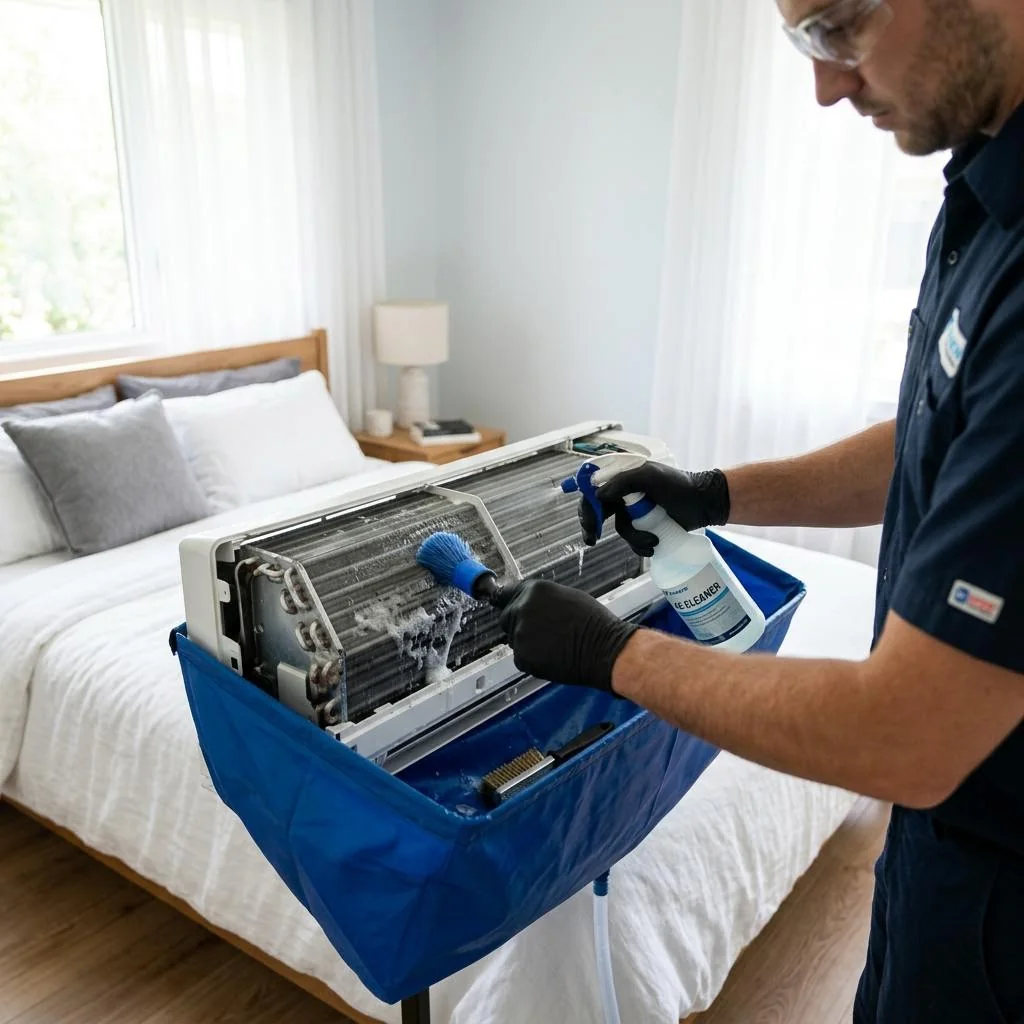
Daily maintenance cleaning is the homeowner's responsibility, but professional equipment is required to deal with mold inside air conditioners and deep-seated dust mites in sofas.
- Homeowner's scope: daily countertop cleaning, changing bed sheets, and vacuuming with a HEPA vacuum cleaner.
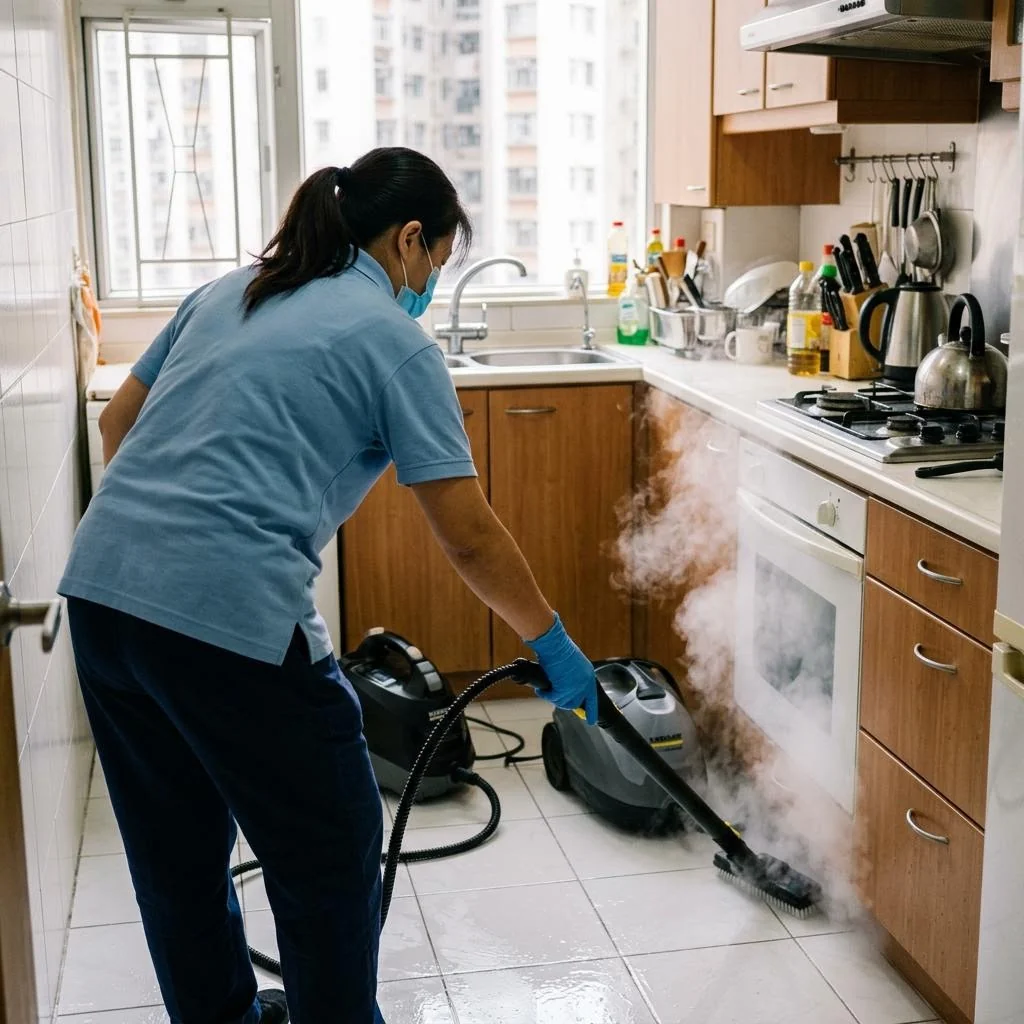
- Professional scope: mold removal inside air conditioning systems, high-temperature steam cleaning for fabric furniture, and deep anti-mite treatment.
Common mistakes and corrections
Avoid choosing times when air quality is poor (such as during rush hour) for opening windows to ventilate. After using cleaning tools, wash them thoroughly according to standards and let them air dry to prevent residual moisture from breeding mold.