Maintaining cleanliness does help reduce respiratory discomfort. Deep cleaning can remove accumulated dust and dust mites from carpets, sofas, and air conditioner filters, reducing airborne particles. It is recommended to perform deep dust removal regularly and keep the environment dry and ventilated to prevent dust mite reproduction.
The link between household dust and respiratory health
Home surfaces look clean, but actually harbor dander, dust, and dust mites. When people walk around or fans blow, fine suspended particles are GRAND JETE into the air, and long-term inhalation may affect comfort.
Blind spot areas and deeply hidden dust
Living environments in Hong Kong are often in a closed state, allowing dander and fibers to easily settle in sofa crevices, carpet undersides, and air conditioner filters. Daily vacuuming can only clear surface dust and cannot handle deeply hidden dirt.
Comparison between professional cleaning and daily cleaning
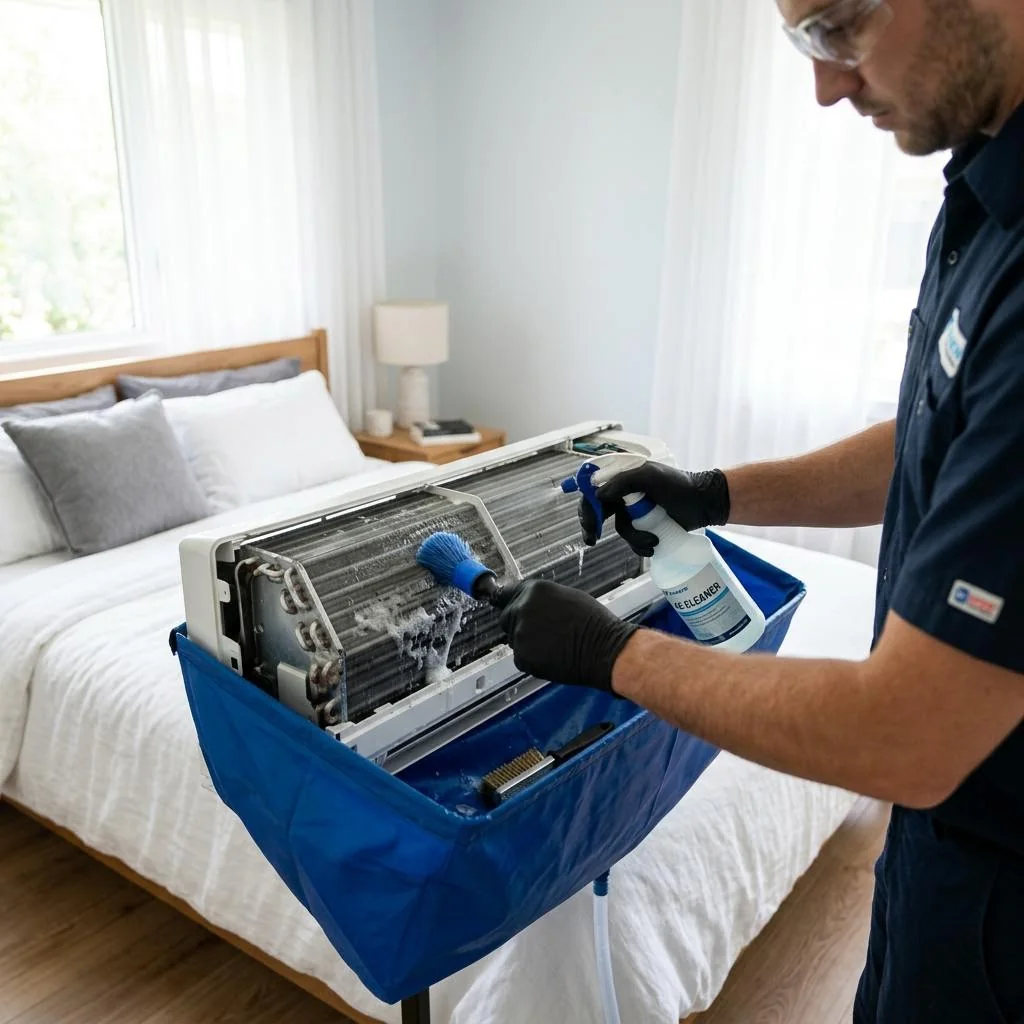
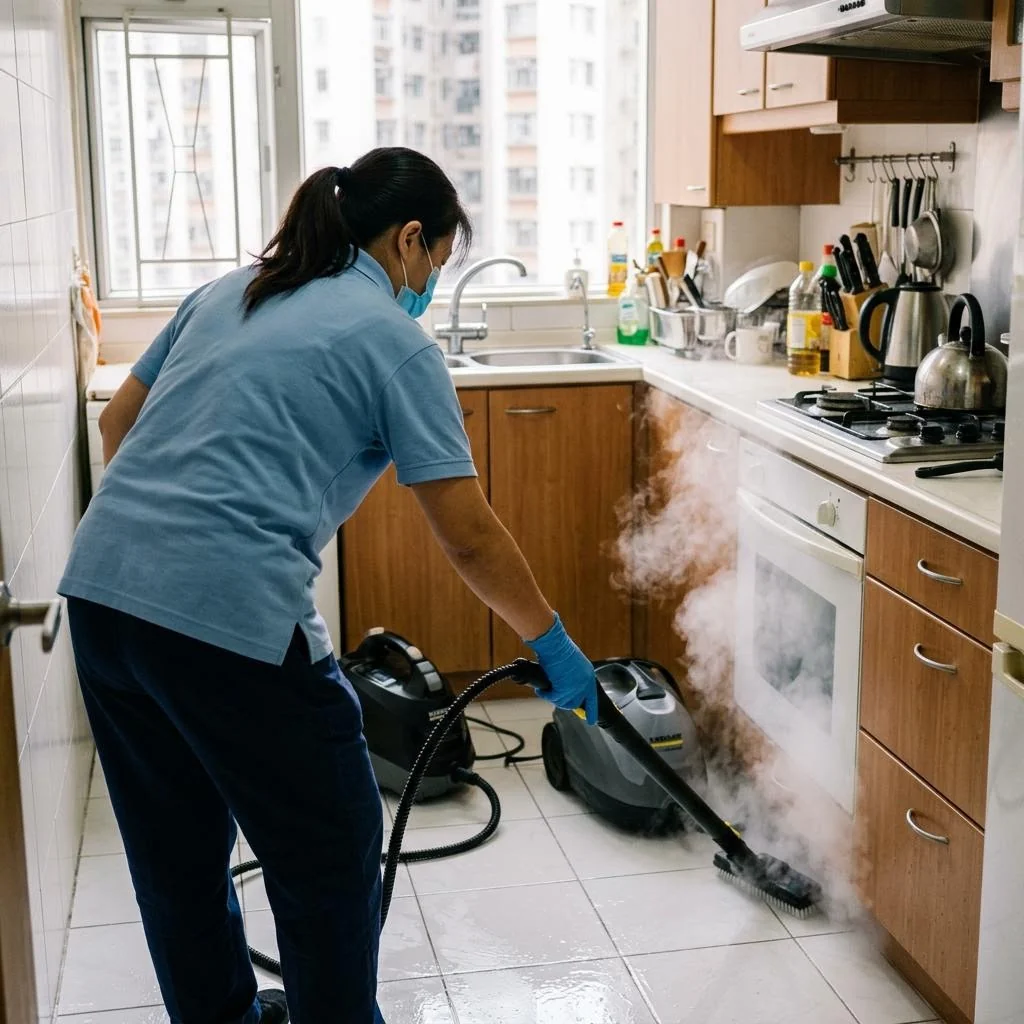
Daily cleaning is limited to simple sweeping and mopping, while professional deep cleaning utilizes specialized equipment and high-temperature sterilization technology to cover fabric materials, the interior of air conditioners, and hidden corners.
- Dust removal: Professional teams can handle air conditioner ducts and deep gaps
- Allergen treatment: Use high-temperature steam and extraction equipment to kill dust mites
- Benefit: Cuts off pollution sources at the source, rather than just removing surface dirt
Safe DIY scope and when to stop
Daily, you can perform damp wiping and regular washing of bedding, but if it involves deep carpet cleaning or mold inside air conditioning, you should stop DIY operations. Improper cleaning will cause fine dust to rush into the air instantly, worsening allergy symptoms.
When handling moldy materials, you can follow US Environmental Protection Agency's home mold prevention recommendations(opens in a new window)treatment and note the on-site and material restrictions.
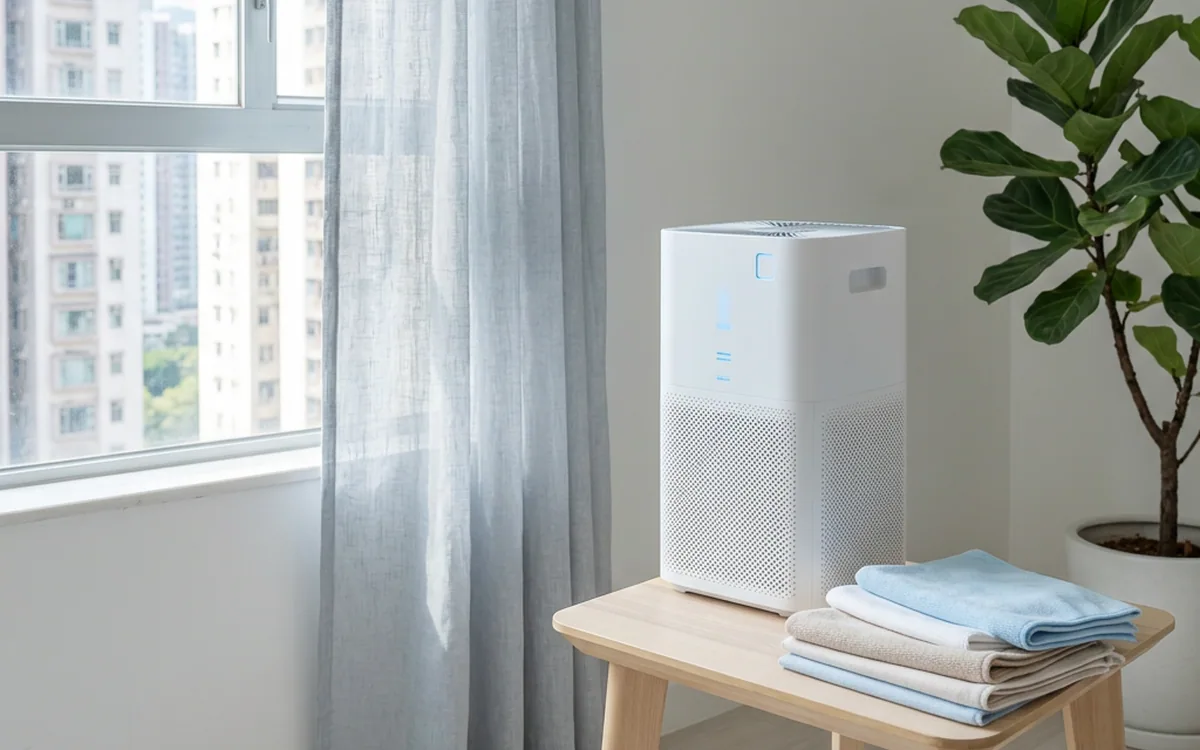
- Open windows regularly or use with a dehumidifier to keep indoor air dry
- Use high-efficiency vacuum cleaners for daily floor cleaning
- Change bed sheets regularly and wash with high-temperature water
- Stop scrubbing yourself and contact a professional team if you encounter deep fabric stains
壹家壹清潔專家
壹家壹清潔專家 is familiar with all kinds of dead corners in units, has rich experience in mite removal and air purification, and helps you build an ideal healthy living environment.