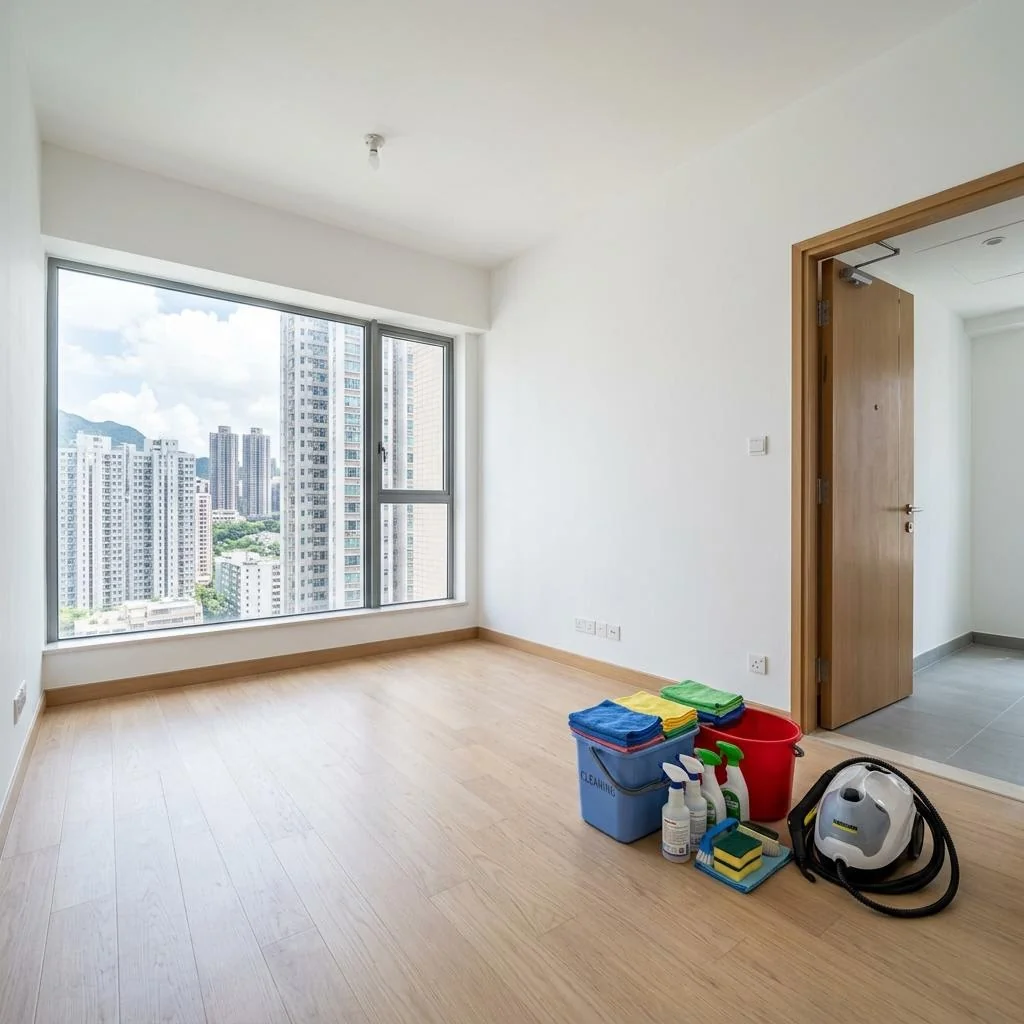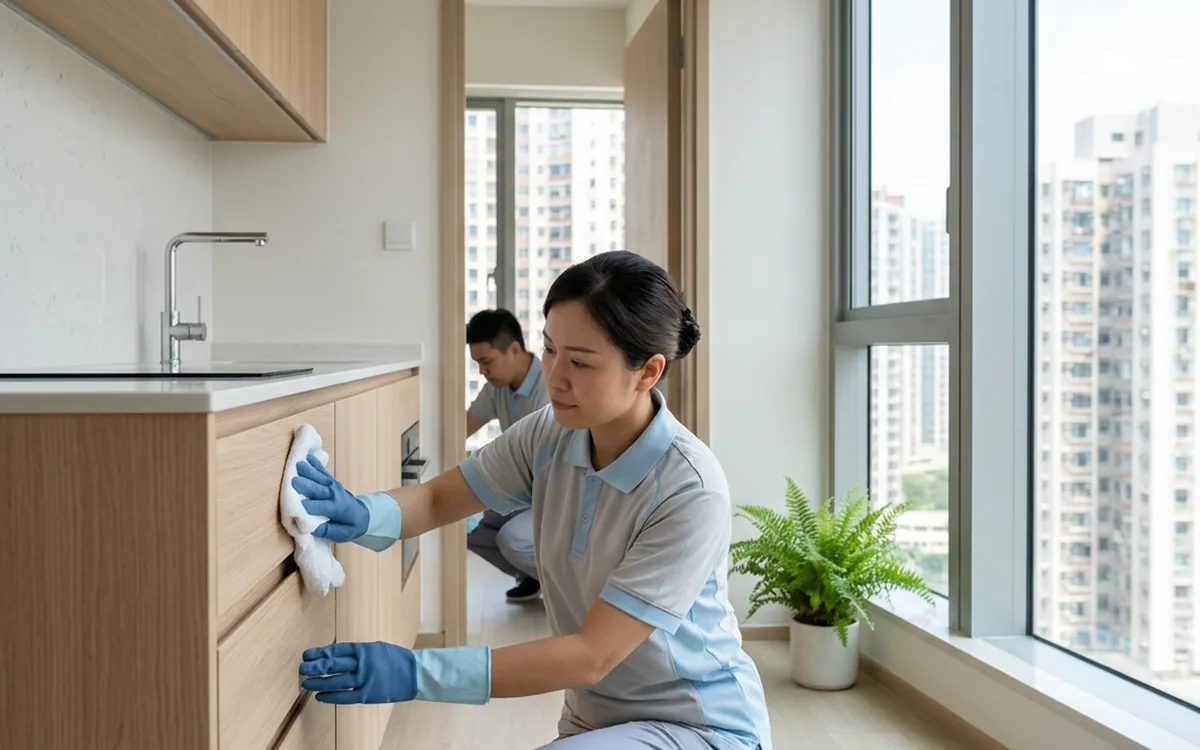
The time after renovation is the golden period for managing formaldehyde. You should adopt a 'cycle of sealing and intensive ventilation' strategy, controlling indoor temperature and humidity to accelerate the release of harmful gases within panels, rather than relying solely on passive ventilation. If your home has high-concentration pollution sources or strict health requirements, it is recommended to entrust 壹家壹清潔專家 as soon as possible for professional deep treatment to purify the air from the source.
Air care strategy in the early stage after renovation
Renovation and new furniture can continue releasing pollutants. Plan around completed work, cleaning and available ventilation. There is no fixed waiting period suitable for every home, and lack of odour does not establish safe air.
- Maintain outdoor air exchange where safe and weather permits, rather than trapping odours in a sealed home.
- Open cupboard doors and drawers where safe and permitted by the furniture instructions, keeping walkways and children or pets safe.
- Where indoor-air problems are suspected, identify potential sources and obtain an appropriate assessment of testing and subsequent measures.
Impact of temperature and humidity on pollutant release
Temperature, humidity and ventilation can affect indoor pollutant levels, but DIY heating in a sealed home is not a verified safety treatment. Heating may temporarily raise pollutant levels and involves equipment, furniture and exposure risks.
- Do not treat sealed-room heating or increased humidity as routine household formaldehyde-removal steps.
- Control moisture according to normal use and care guidance, maintain ventilation and consider pollution sources and actual testing conditions.
Comprehensive cleaning and care for soft fabric furnishings
In addition to hard furnishings, curtains, fabric sofas, and new mattresses may also contain chemical gases and require simultaneous air care.
- Removable fabric covers should be thoroughly washed.
- Non-removable items should be placed in a well-ventilated location for airing.
Correct use of household auxiliary supplies
Supplies like activated carbon and air purifiers can be used as daily aids, but be mindful of their saturation to avoid secondary pollution.
- Activated carbon packs have a physical adsorption limit; they must be replaced in a timely manner once saturated.
- Air purifier filters should be maintained regularly according to the product manual to prevent secondary release of adsorbed substances.
The necessity of professional treatment
Professional assessment helps identify sources and clarify treatment methods and limitations. The label professional treatment alone does not guarantee safe occupancy. Reduce exposure and seek appropriate assistance if discomfort or air-quality concerns arise.
- Clarify the testing method, sampling conditions and scope of the result.
- Choose ventilation, source control or other suitable measures according to actual sources, without promising permanent compliance after one treatment.
- Check compatibility with building materials; cleaning is not a substitute for testing or building repairs.