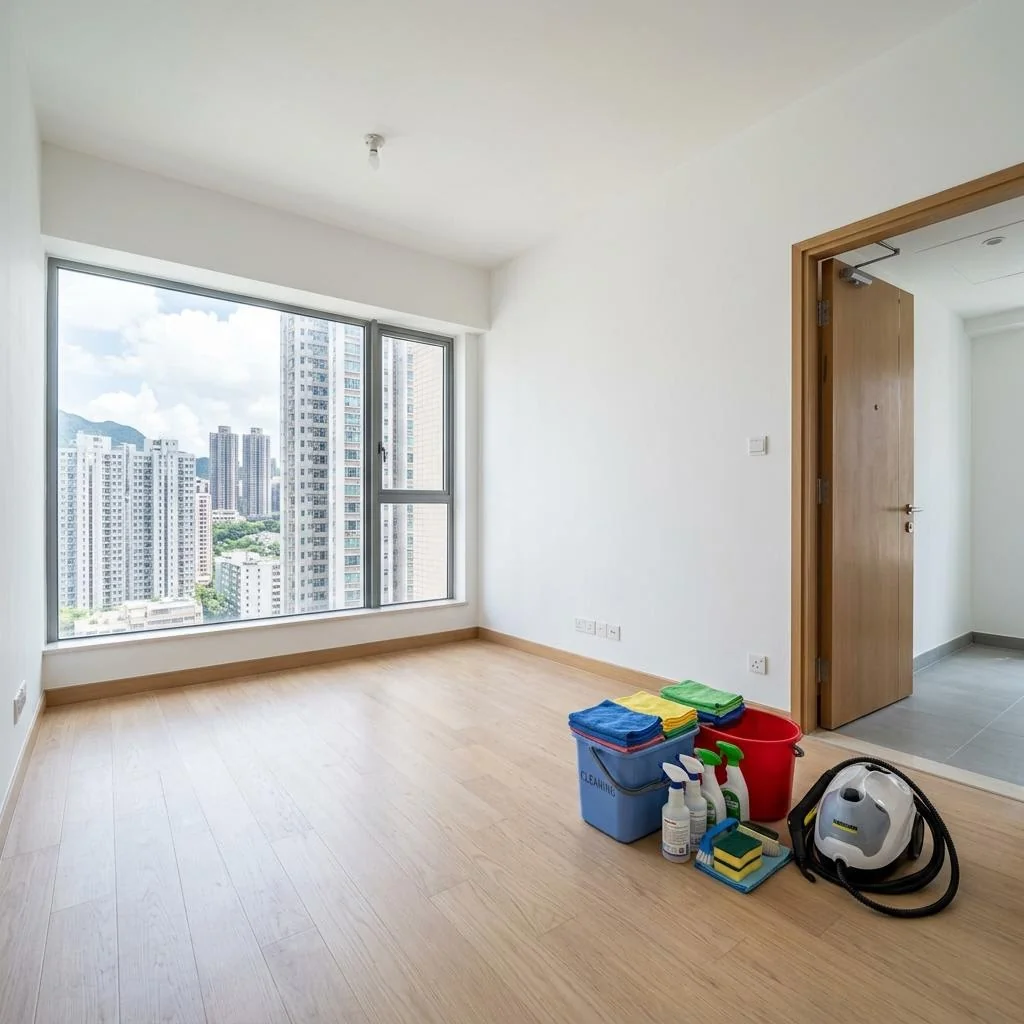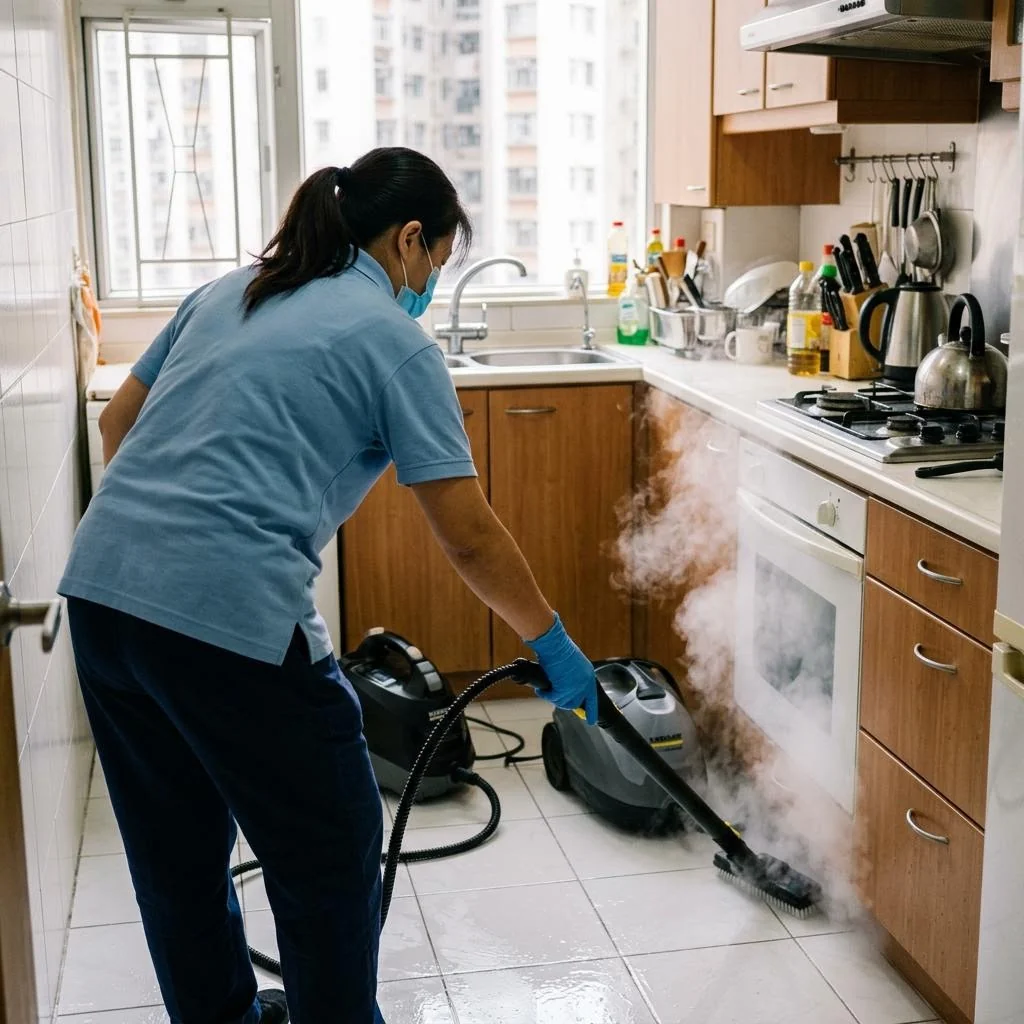
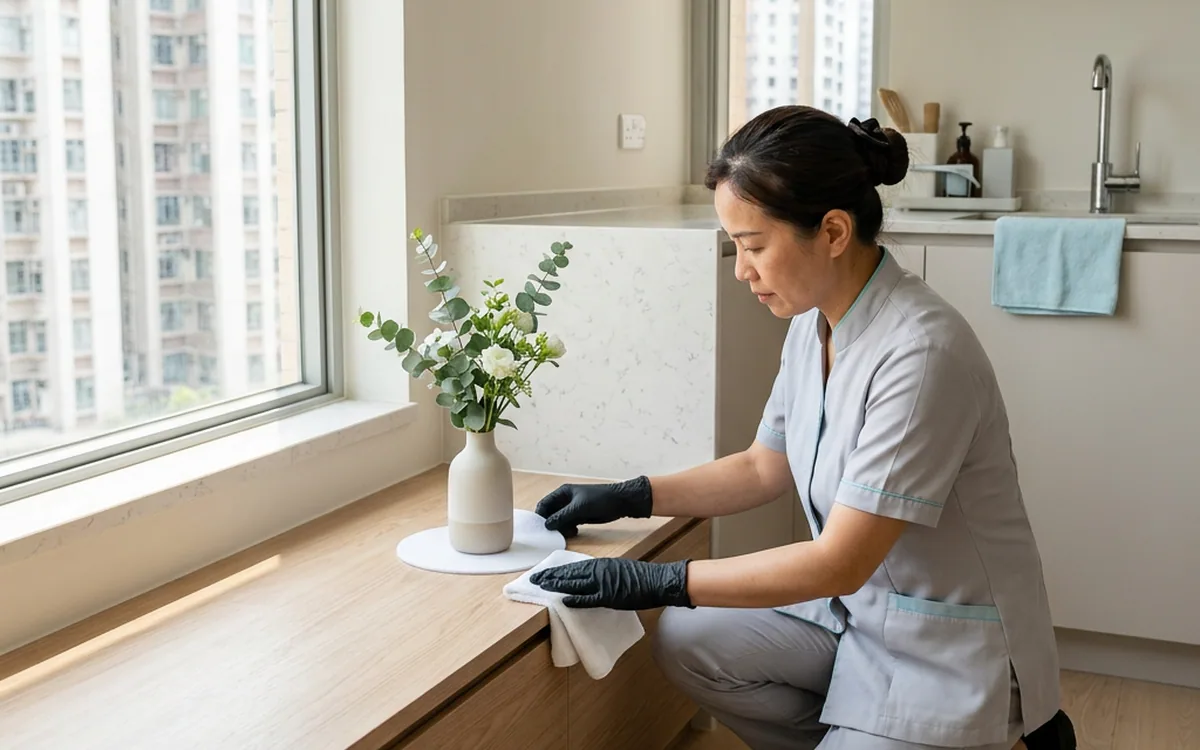
Before cleaning a vacant home, check mould, leaks and existing damage, distinguishing cleaning from repairs. Remove dust from ceilings down to floors, then treat kitchens, bathrooms and flooring according to the materials. Ventilate and check drying afterwards. Cleaning does not guarantee resolution of every air-quality, hygiene or building issue.
Preparation and inspection before cleaning a vacant property
Before you start cleaning, you must perform a comprehensive inspection:
Structural inspection: Ensure leaks and wall seepage have been repaired, otherwise, mold problems will return repeatedly.
Safety protection: When cleaning a vacant unit, be sure to wear a mask, gloves, and eye protection to prevent inhaling allergens and contact with cleaning chemicals.
When handling moldy materials, you can follow US Environmental Protection Agency's home mold prevention recommendations(opens in a new window)treatment and note the on-site and material restrictions.
Systematic cleaning order
Follow the "top-down, inside-out" principle to avoid secondary pollution:
Ceilings and walls: Use long-handled dusting tools to remove spiderwebs and accumulated dust.
Kitchen and bathroom: Use specialized cleaners for grease and limescale; if necessary, use diluted bleach to disinfect surfaces. If mold is present, it must be thoroughly removed and dried before proceeding with subsequent steps.
Floor cleaning: Select appropriate agents based on the characteristics of wood, stone, or tile, and proceed with large-area application only after testing.
Before using bleach, please first understand Method for using bleach from the Centre for Health Protection(opens in a new window), and operate according to the product label.
Material conditions and safety taboos
During the cleaning process, there are several key taboos that must be strictly observed:
Never mix: Do not mix bleach with acidic cleaners; doing so will produce lethal gases.
Test first: All cleaning agents should be tested in an inconspicuous area to confirm they do not affect the furniture or wall material.
Handle with care: Porous materials (such as old ceilings or heavily moldy carpets) that cannot be thoroughly cleaned should be replaced rather than forcibly washed.
Acceptance after cleaning
After cleaning is complete, observe whether the air is circulating and there should be no strong smell of cleaning agents. If you find there is still a musty smell, check the walls for hidden seepage. After all steps are completed, let the space ventilate naturally for at least 24 hours.
For large-scale, high-difficulty vacant-property cleaning, consider booking a professional team to help.