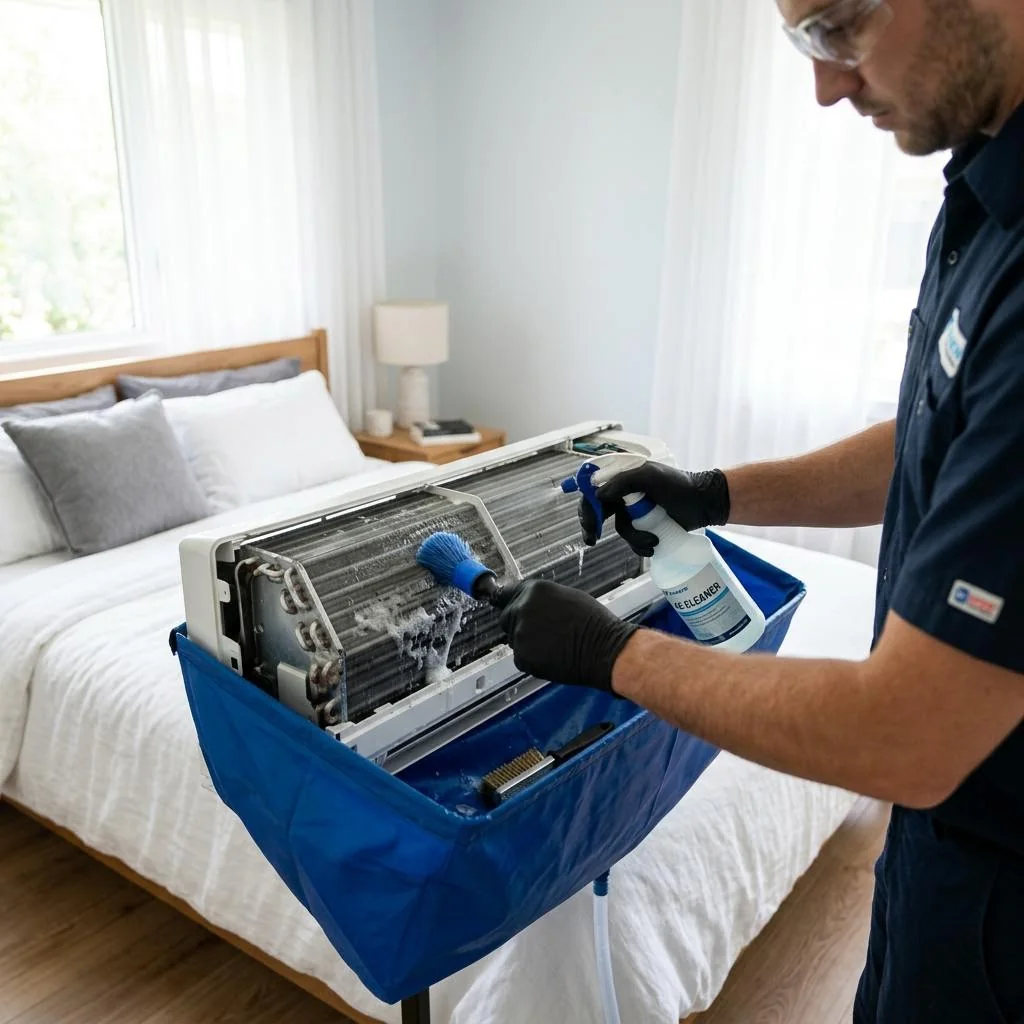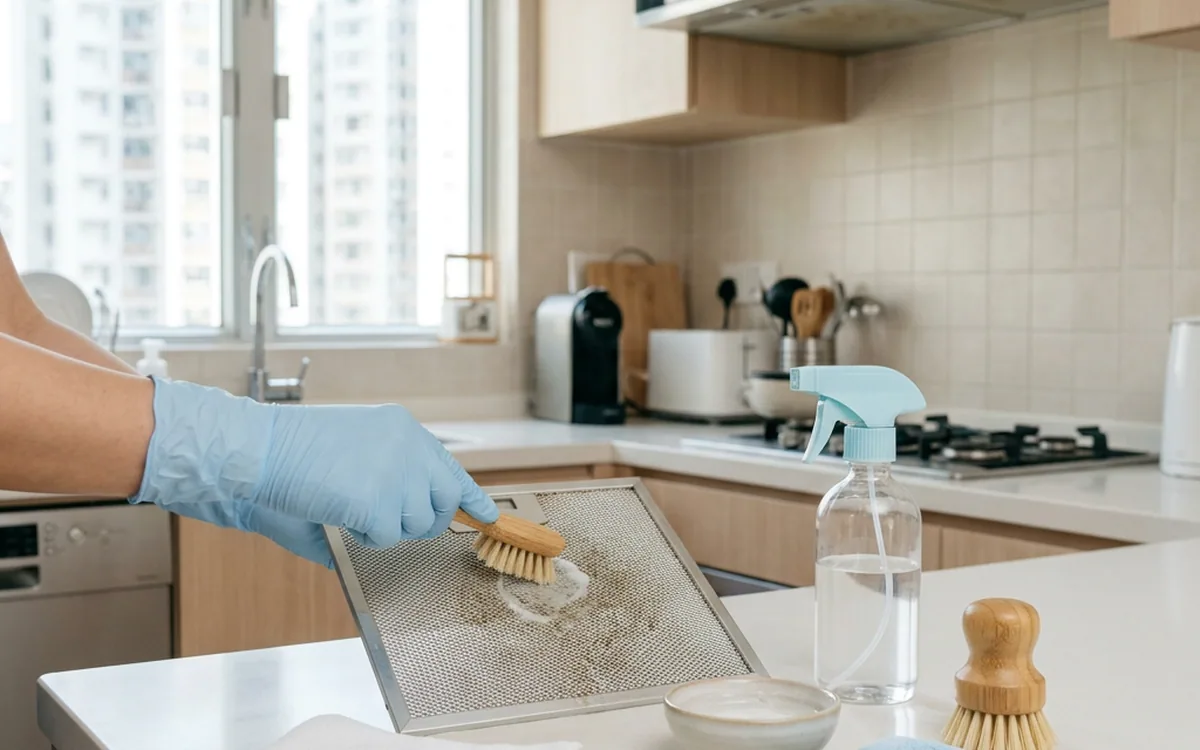
Cleaning kitchen grease should start by softening grease with warm water, then applying a kitchen-specific grease-removing enzyme for emulsification and decomposition. After letting it sit for a few minutes, wipe it off with a microfiber cloth. Never mix different chemical cleaning agents and perform a small-area test on inconspicuous materials. If grease is extremely thick or located at height, it is recommended to book professional personnel to handle it, avoiding climbing yourself or damaging stove coatings.
Common mistakes in grease removal
Many people wipe directly with cold water and dish soap, which only spreads the grease. A more dangerous practice is to mix bleach and acidic degreasers at will, which generates high toxicity. In addition, kitchenware materials vary; using steel wool or strong alkaline products easily scratches surfaces permanently or causes corrosion.
Before using bleach, please first understand Method for using bleach from the Centre for Health Protection(opens in a new window), and operate according to the product label.
- Stop using steel wool to avoid scratching stainless steel or glass stove surfaces.
- Bleach must not be used mixed with any cleaning agent.
- Perform a test on a corner before confirming the compatibility of the cleaning agent with the stove material.
Scientific grease removal process
For long-standing, sticky grease, both physical and chemical means must be used in combination. Temperature can lower oil viscosity, and professionally formulated degreasers can emulsify grease via enzymes, making it easily removable.
- Use warm water to moisten the surface to soften stubborn grease layers.
- Spray a kitchen-specific grease-removing enzyme suitable for that material.
- Wait a few minutes for the grease to be completely emulsified and decomposed.
- Use a microfiber cloth to gently wipe off grime from outside to inside.
Professional and DIY boundary
For areas inside range hood motors, high-position exhaust fans, or extremely severe long-standing grease, DIY is often insufficient. A professional team will dismantle dust filters for deep immersion and degreasing, and ensure that electrical circuits are not damaged during the process.
- Check if electrical appliances are completely disconnected from power.
- Do not attempt to dismantle the range hood motor circuit yourself.
- If grease has infiltrated circuit gaps, stop DIY treatment and contact professional cleaning.
壹家壹清潔專家
壹家壹清潔專家 provides professional degreasing services, using standardized techniques to ensure the kitchen is clean as new. Quoting evaluation factors include kitchen area, grease degree, and kitchenware type; details can be found in the latest price list.