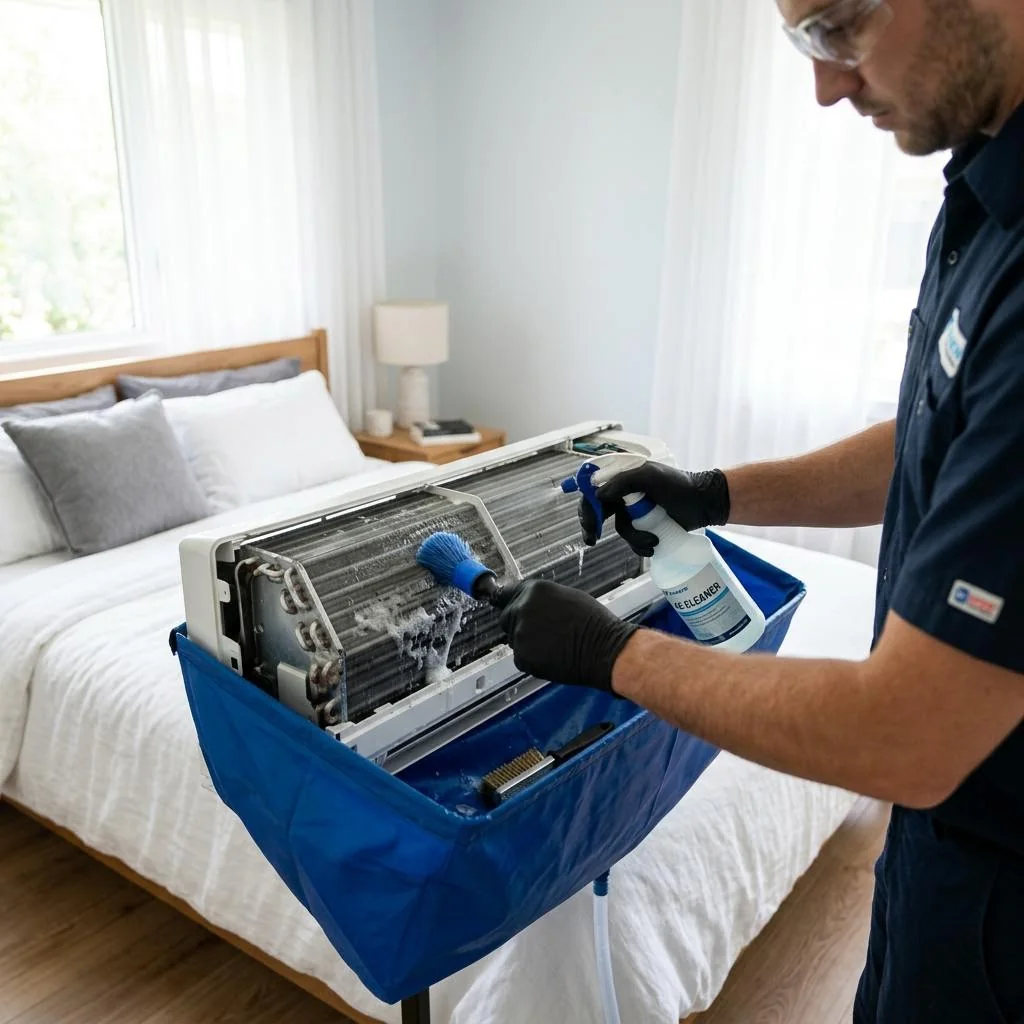
Kitchen grease cleaning requires powerful degreaser combined with a high-pressure steam cleaner. First, spray warm water to soften the grease, then emulsify and remove it, avoiding hard scraping that damages appliances. Remember to cut off power before cleaning kitchen appliances; do not disassemble internal circuits yourself.
Kitchen cleaning degreasing strategy
The thick grease accumulated in kitchens not only affects aesthetics but also breeds bacteria. Effective oil removal relies on softening and emulsifying, rather than blindly scrubbing hard.
- Check if the appliance is unplugged, ensuring the operating environment is safe.
- Spray professional degreaser on the oily areas and cover with kitchen paper towels, letting it sit for a period to allow for chemical reaction.
- For stubborn areas, it is recommended to use a high-pressure steam cleaner for heat-assisted cleaning.
- If the material involves delicate surfaces, perform a test in an inconspicuous corner before cleaning to confirm it won't fade or get damaged.
Key points for zone processing
Range hoods and wall tiles are the core of cleaning. Treat them with patience, avoiding strong acids or alkalis that damage finishes.
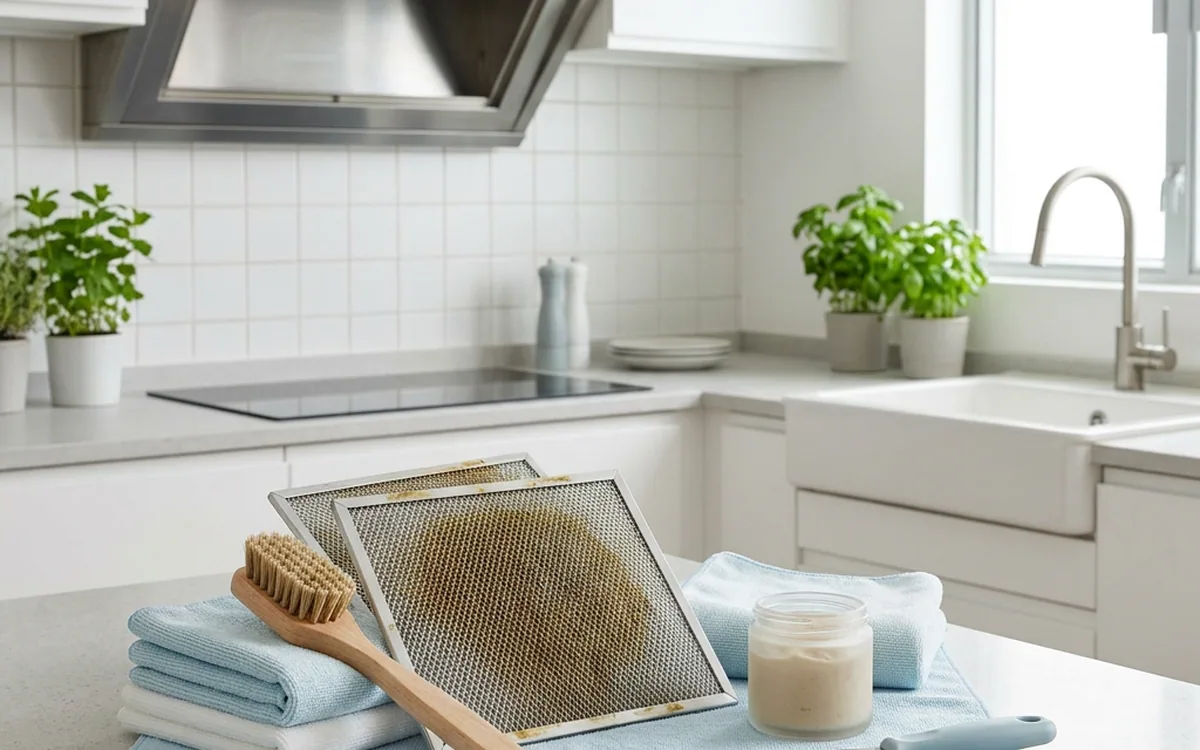
- Range hood: Focus on cleaning the wind turbine and filters to prevent clogging that affects ventilation efficiency.
- Stove: When cleaning charred stains on the surface, use a soft-bristled brush to avoid scratching enamel or glass surfaces.
- Wall: Use cleaning paste to scrub gaps, ensuring no residual oil remains on tile surfaces.
Suggestions for daily and deep care
Daily, you can prevent oil buildup with simple wiping; if you encounter long-term stubborn oil, it is suggested to seek assistance from 壹家壹清潔專家.
- High-altitude protection: You can lay protective paper on cabinet tops to reduce dust and grease accumulation.
- Tool maintenance: Ensure all tools are cleaned and dried after use; do not store cleaners where children can reach them.
Why hire a professional team
Before handling range hood turbines and gaps, check factory-allowed dismountable parts and cleaning methods; do not let water or steam enter motors or electrical contacts.