Office odors usually stem from accumulated food scraps, air conditioning filter dirt, or damp carpets. Removing odors requires deep cleaning first; after removing pollutants, maintain quality through enhanced ventilation or air purification equipment. Avoid relying on strong fragrances to mask odors; you must clean thoroughly from the source and establish regular maintenance habits.
Identify odor sources
Odor problems are usually not caused by a single factor. To solve office odors, you must first start an investigation:
Organic dirt: Check food scraps in the pantry or seating areas, and accumulations inside hidden trash cans.
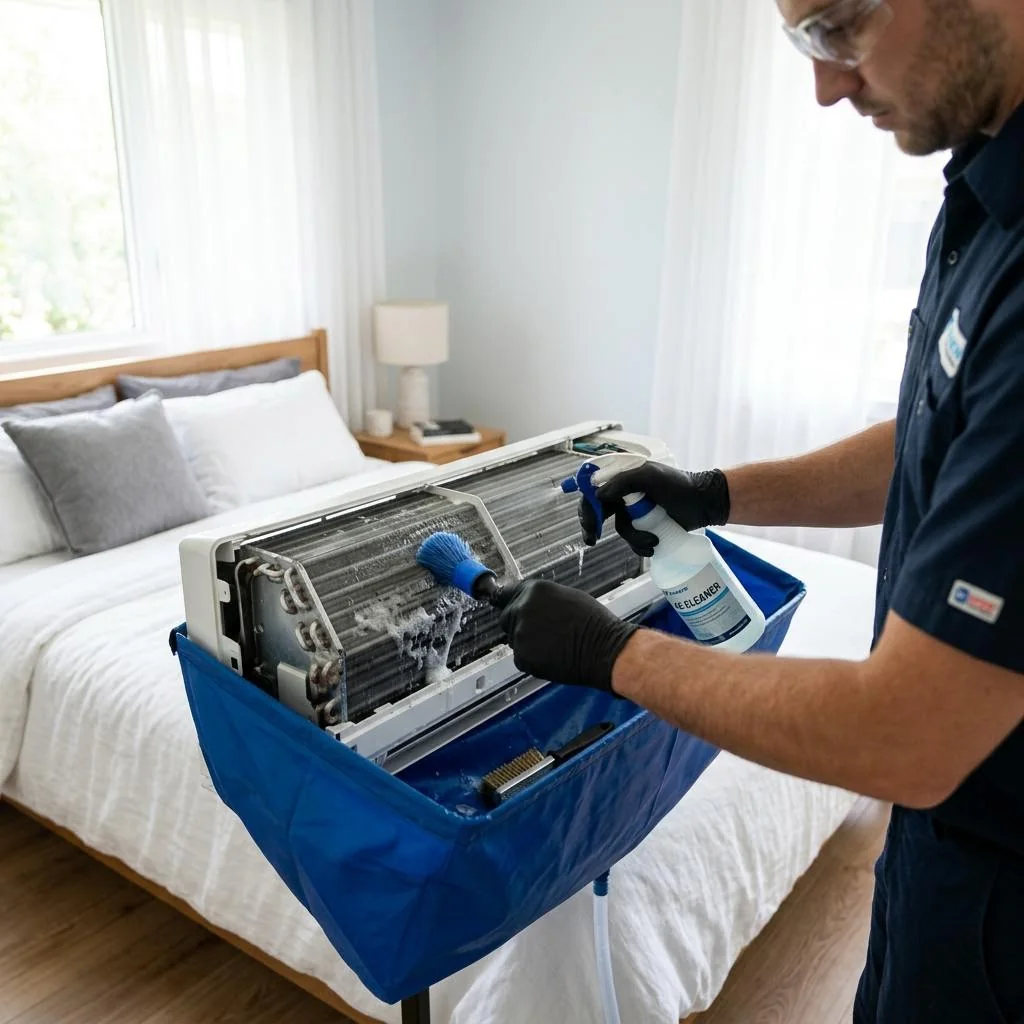
Equipment dust: If air conditioner filters or air outlets are not cleaned for a long time, moldy odors are easily produced.
Porous surfaces: Carpets and upholstered furniture can become a breeding ground for odors and bacteria if damp or contaminated with liquid.
When handling moldy materials, you can follow US Environmental Protection Agency's home mold prevention recommendations(opens in a new window)treatment and note the on-site and material restrictions.
Targeted cleaning strategies
After finding the source, take the following steps to clean:
Clean areas: Immediately remove all food scraps and clean the inside of trash cans.
Equipment maintenance: Replace or clean air conditioning filters regularly; this work should be inspected regularly by professionals.
Material treatment: For moldy carpets, if it is a small area, you can wipe it; if the contaminated area is too large and the material is porous, it may need to be replaced to eradicate the moldy smell.
Strictly forbidden misuse: When cleaning, avoid mixing bleach with toilet cleaners to prevent producing toxic gas.
Ventilation and air quality control
Cleaning agents alone cannot maintain long-term air quality; they must be combined with ventilation mechanisms:
Natural ventilation: When weather permits, open windows to allow air convection and exhaust indoor accumulated carbon dioxide and harmful substances.
Forced ventilation: Use fans for assistance and check if the air conditioning ventilation system is operating normally.
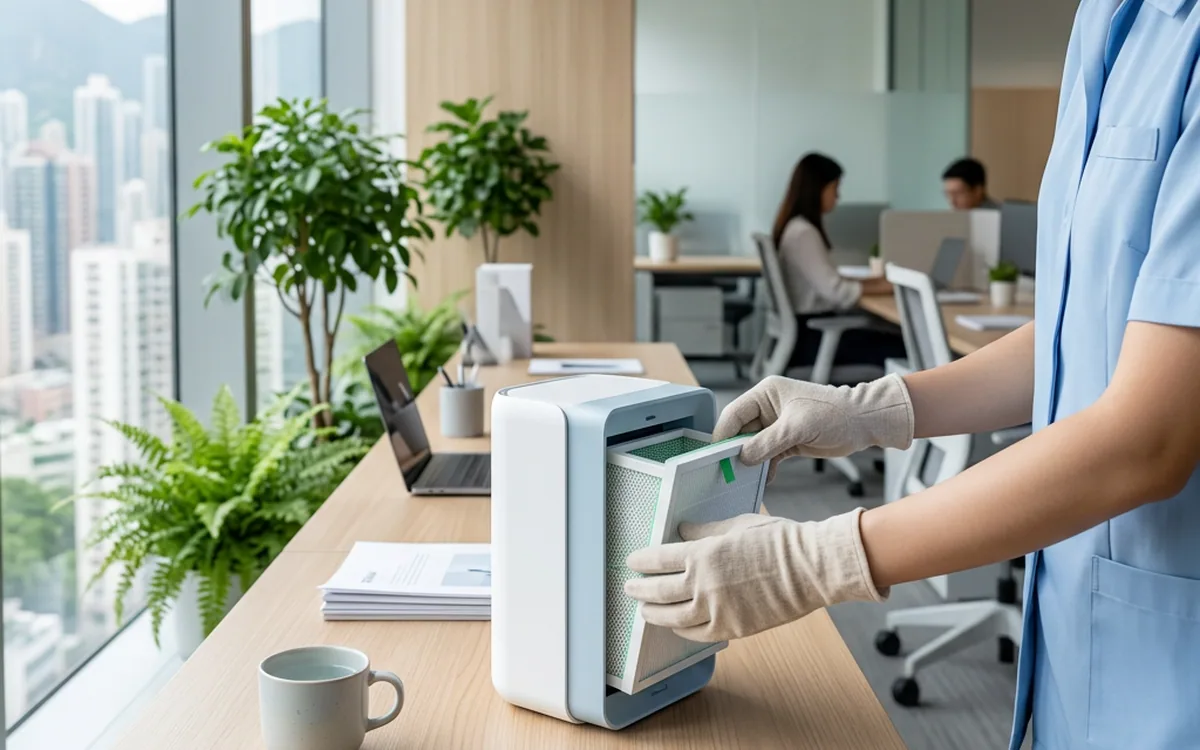
Filtration system: Use air purification equipment that meets specifications and regularly check the lifespan of filter elements.
When to stop DIY and seek professional service
When odors persist even after completing the above cleaning, it may mean that the pollution source is in a hidden space (such as inside walls or deep in air conditioning ducts); at this time, you should stop self-treatment. 壹家壹清潔專家 provides professional commercial space cleaning services and can conduct deep inspections and disposal for odor problems.