
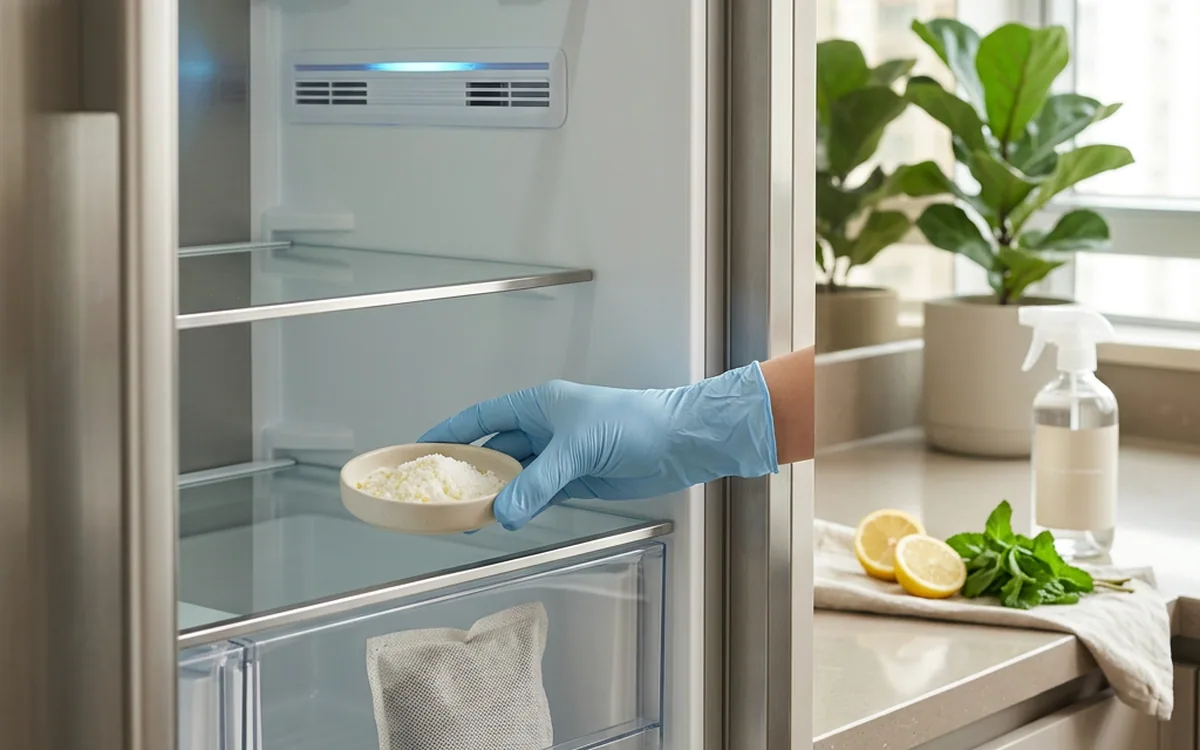
First, empty out expired food and regularly wipe the shelves and interior walls with a neutral cleaner. Baking soda or lemon slices can be placed in corners to absorb odors, and ensure the refrigerator temperature is set between 0°C and 4°C. If the musty smell persists, stop DIY efforts and contact a professional team to check the cooling system.
Checking the source of refrigerator odors
Refrigerator odors are mostly caused by forgotten food. Establishing a regular cleaning habit is the most effective way to prevent odors.
- Weekly regular cleaning: Check all refrigerated foods and discard expired and rotten products.
- Sealed storage: All opened food should be stored in sealed containers or bags to prevent odors from spreading.
- Temperature control: Maintain the refrigerator at 0 to 4 degrees Celsius; temperatures that are too high will accelerate spoilage.
Thorough cleaning steps
Regular deep cleaning of the refrigerator can effectively remove accumulated dirt and bacteria.
- Turn off the power and remove all food and removable shelves.
- Wipe the refrigerator interior walls from top to bottom with a mixture of water and a mild neutral cleaner.
- Pay special attention to cleaning corners and rubber seals, as these are the places where mold is most likely to hide.
- Wipe away residual cleaner with plain water and keep the door open until it is completely dry before putting food back and turning on the power.
Natural deodorization and maintenance
Using natural substances to absorb odors is a safe choice, but it cannot replace thorough physical cleaning.
- Baking soda: Placing a small bowl of baking soda in the refrigerator corner can absorb moisture and odors; replace every two months.
- Activated carbon: Commercially available activated carbon deodorizing boxes can also effectively absorb volatile gases.
- Lemon slices: Can be used as a short-term scent mask, but not recommended for long-term placement to avoid rot.
When to stop DIY and professional suggestions
If a distinct, unpleasant smell remains after cleaning, it may originate from dirt accumulated in the internal cooling pipes or drainage system. These issues require specialized equipment for cleaning and cannot be reached by DIY.
When handling moldy materials, you can follow US Environmental Protection Agency's home mold prevention recommendations(opens in a new window)treatment and note the on-site and material restrictions.
- If you notice a pungent chemical smell or burning smell: disconnect the power immediately and contact the original manufacturer for repairs.
- Large-scale visible mold growth: Wiping it yourself might cause the spores to spread; we recommend seeking professional cleaning services.
- Persistent abnormal odors may involve internal failures and should be checked by relevant appliance repair personnel.