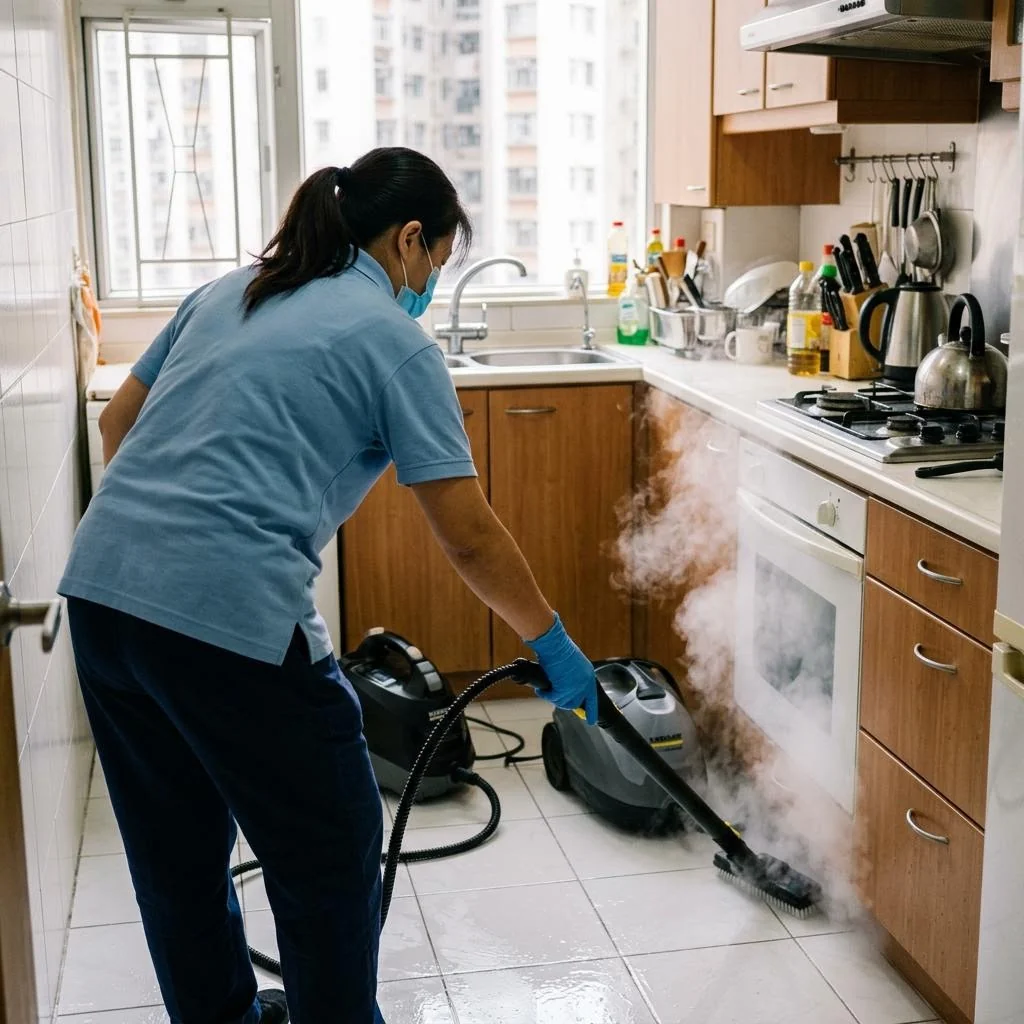
Room cleaning should follow the principle of "top to bottom, dry before wet." Dust first, then clean floors, and choose suitable tools for wood furniture, glass, and walls, ensuring surfaces are dry to prevent mold.
Zoned cleaning and execution steps
Room cleaning should be done from high to low, first handling ceiling corners, curtains, and furniture tops, and finally cleaning the floor. This prevents dust from falling onto clean floors while cleaning upper layers.
When cleaning floors, first use a vacuum to handle surface dust, then choose a cleaner suitable for the material. Do not over-mop with water, which leads to wood floors getting damp and warping.
- Dusting: Use a dry cloth or electrostatic dusting paper to clean from top to bottom.
- Windows: Wipe the window frame first, then clean the glass.
- Walls: Check for mold; only clean surface stains; do not get them excessively wet.
Targeted material handling
Different surfaces react differently to cleaning agents. Wood furniture should use dedicated care oil; avoid wiping directly with water, otherwise it easily leads to mold. For glass, it is recommended to use a microfiber cloth with an appropriate amount of water; only add a small amount of mild neutral cleaner if there are greasy stains.
- Material testing: Before using any cleaning agent, be sure to test it on an inconspicuous area of the furniture.
- Moisture control: Ensure that the material can be air-dried in a short time after wiping.
Safety and defensive cleaning
The cleaning process must ensure indoor air circulation. If you encounter stubborn stains, avoid using strong corrosive chemicals yourself. If cleaning electrical appliance surfaces, ensure they are completely disconnected; never disassemble electrical circuits yourself.
- Cleaning tool maintenance: Thoroughly wash and air-dry after use.
- Wear protection: When dealing with a large amount of dust, it is recommended to wear a mask and gloves.