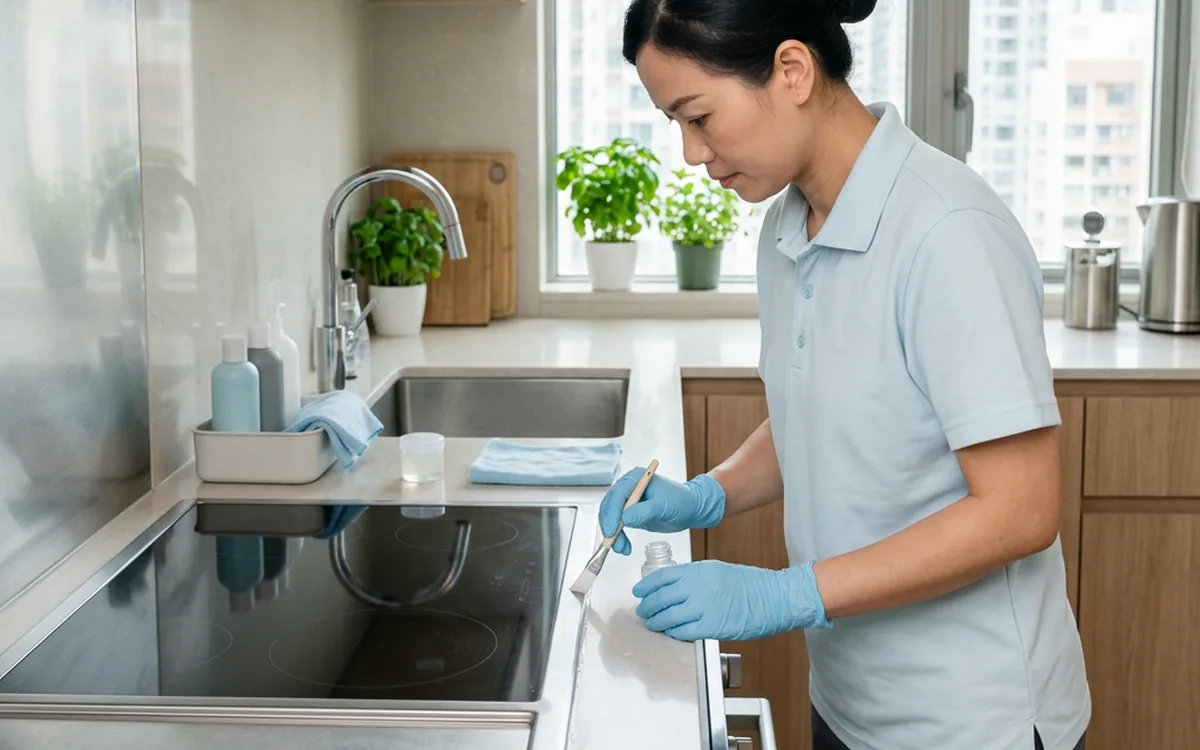
In-depth kitchen cleaning should be carried out from high to low and from the inside out. The focus is on using suitable degreaser to thoroughly break down grease and disinfecting surfaces that are frequently touched. After finishing, be sure to keep the kitchen dry to prevent bacterial growth.
The importance of in-depth kitchen cleaning
Long-term accumulation of kitchen oil smoke easily breeds bacteria and attracts pests. In-depth cleaning can not only restore the efficiency of equipment but also protect the health of family members, providing a clean and hygienic cooking environment.
Safety precautions
When using chemical cleaning agents, be sure to wear gloves and a mask, and keep the kitchen ventilated. It is strictly forbidden to mix different cleaning agents, especially bleach, which must not be mixed with acidic cleaning agents, to avoid the production of dangerous gases.
Standard cleaning operating steps
Before performing in-depth cleaning, ensure that all electrical appliances are powered off, and test the cleaning agent's reaction on an inconspicuous part of the material surface first.
- Remove all miscellaneous items and clear out kitchen utensils and tableware.
- Range hood: Disassemble the filter screen and soak it in degreaser, then wipe the grease off the body.
- Stove and walls: Spray degreaser and let it sit; after the grease has softened, use a scraper and cloth to remove it.
- Refrigerator: Empty out the food, remove the shelves to clean with neutral cleaning agent, and wipe thoroughly dry.
- Sink: Clean scale and residues, ensuring the drain is clear.
Completion inspection and maintenance
After cleaning, check for any missed dead corners and confirm there is no water accumulation on appliance surfaces. Remember not to disassemble the electrical circuit system yourself; if you need to clean inside the machinery, please contact the original manufacturer or a professional to handle it.