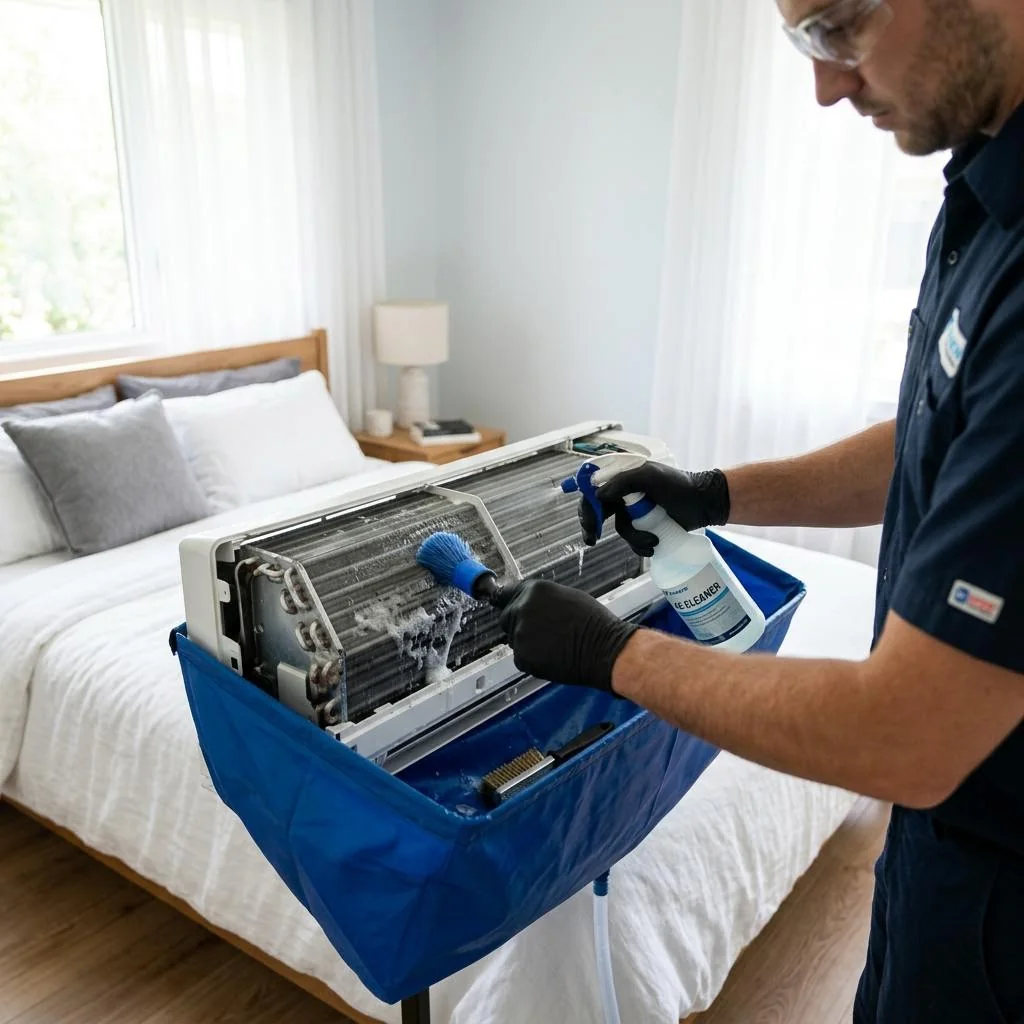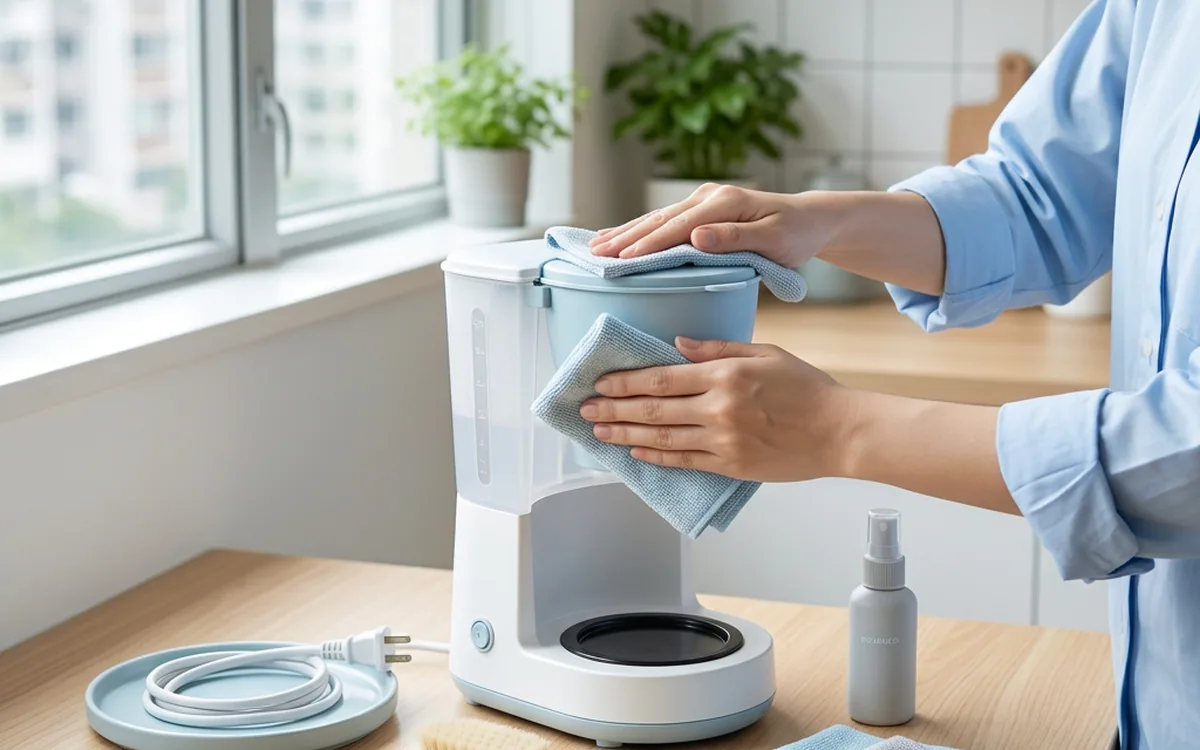
When cleaning small appliances, you must first completely disconnect the power and check the manual to see if parts can be submerged. Use a soft, damp cloth to wipe; never dismantle the circuit structure. If you encounter circuit failure, stop DIYing and contact a repair service, or entrust 壹家壹清潔專家 with the maintenance.
Safe Operation Principles
Before cleaning small appliances, you must unplug the power cord. Never perform any form of cleaning while the appliance is connected to power. It is strictly forbidden to dismantle the appliance's circuits or internal electronic parts yourself; such operations carry the risk of electric shock and permanent damage to the machine.
- Confirm the appliance is disconnected from power.
- Check the manual to confirm which parts are washable.
- Dismantle allowed accessories (such as filters).
Correct Selection of Cleaning Materials
Only clean parts that are detachable and marked as washable in the manual. Use a soft cloth dipped in a small amount of mild detergent to gently wipe the exterior of the casing. Absolutely avoid using corrosive or abrasive chemical cleaners, and do not use steel wool to avoid damaging the plastic or coated casing.
- Check material compatibility.
- Test cleaning agents on a small area.
- Wipe gently with a soft cloth or sponge.
When to Stop DIY and Seek Professional Support
If the appliance malfunctions, overheats, or has internal oily smoke that is difficult to remove thoroughly, stop cleaning it yourself immediately. Do not attempt to wash the inside of the machine with water. At this point, seek professional factory repairs or entrust 壹家壹清潔專家 to provide professional maintenance services to ensure safe operation of the machine.
Completion of Inspection and Maintenance Cycles
After cleaning, you must ensure that all components are completely dry before putting them back into the machine and connecting the power. Maintenance cycles should depend on frequency of use; it is recommended to check once a month and ensure that wires are in good condition without aging or damage to prevent hazards.
- Ensure all components are completely dried.
- Check the condition of the power cord.
- Reassemble components.
- Test operation