Handling household mold should prioritize eradicating the source of water seepage. Hard surfaces can be wiped with cleaning agents and thoroughly dried, but porous materials are difficult to clean thoroughly if mold roots have penetrated deep inside. In the process, strictly forbid mixing chemical agents. If the mold area is vast or has penetrated the walls, you should hire professional processing.
Identifying sources of mold growth
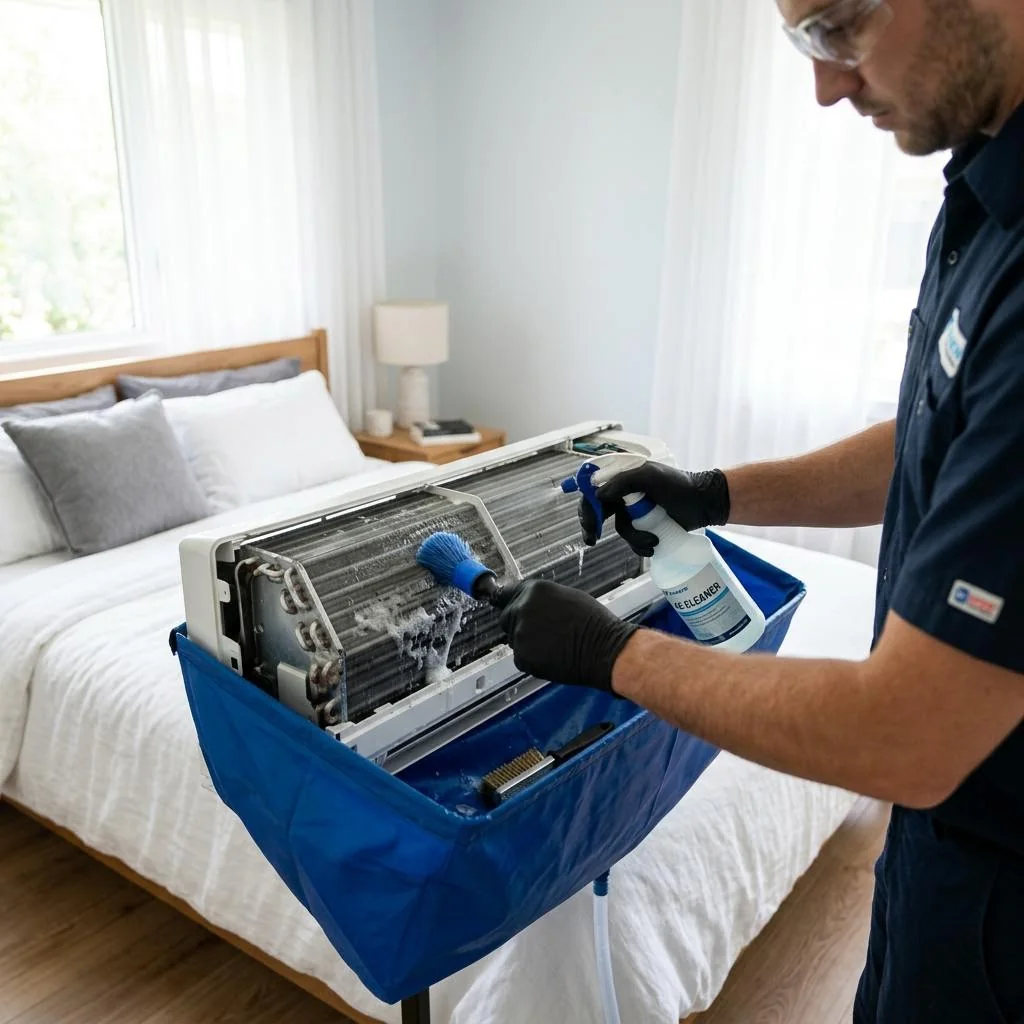
Mold breeds very easily in environments with a relative humidity exceeding 60%. In addition to common bathroom sealant strips, closet backboards, low parts of ceilings, and the inside of air conditioners are all high-risk areas. Before processing, you must find out if it is caused by water seepage or leakage; if the source is not solved, even if the cleaning is completed, mold will quickly regrow.
When handling moldy materials, you can follow US Environmental Protection Agency's home mold prevention recommendations(opens in a new window)treatment and note the on-site and material restrictions.
Safe cleaning and material limitations
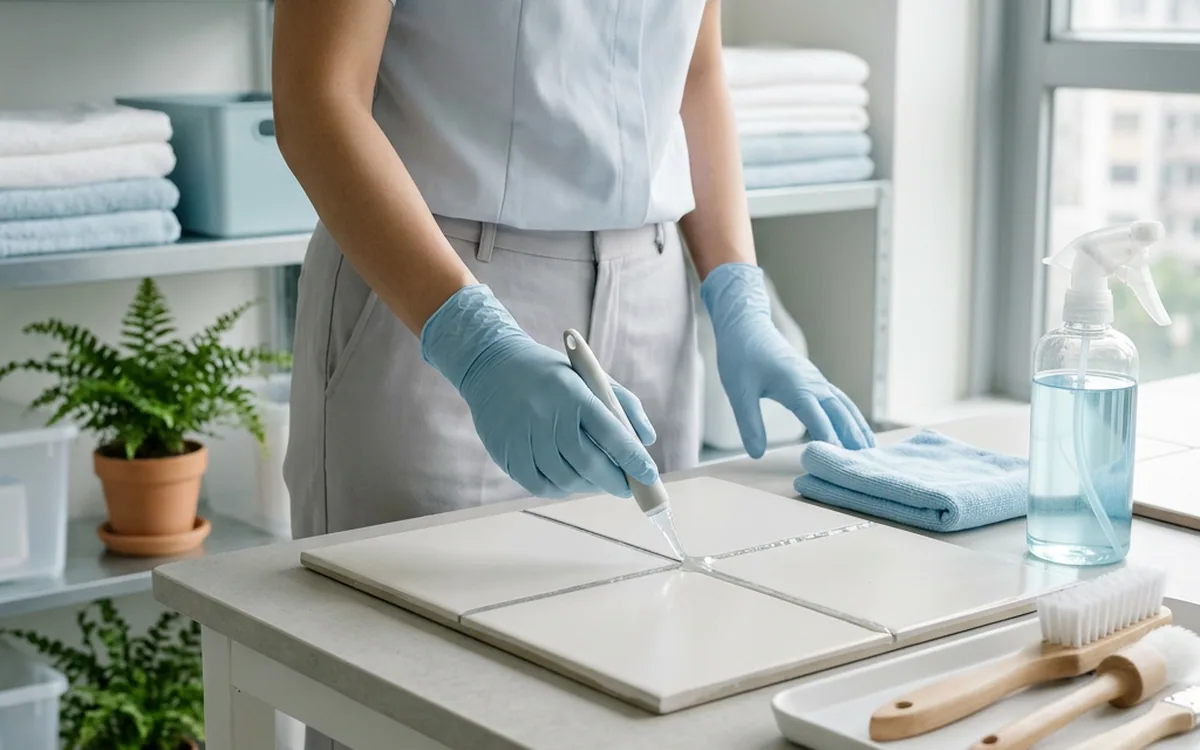
When self-cleaning, do not mix different cleaning agents to avoid dangerous gases. For hard surfaces such as tiles, you can use cleaning agents and water to wipe. However, for porous materials (such as gypsum board, fabric, carpets), mold roots have often penetrated deep into the interior; surface spraying of bleach alone cannot eradicate them. In case of severe mold, it is recommended to replace them directly.
Before using bleach, please first understand Method for using bleach from the Centre for Health Protection(opens in a new window), and operate according to the product label.
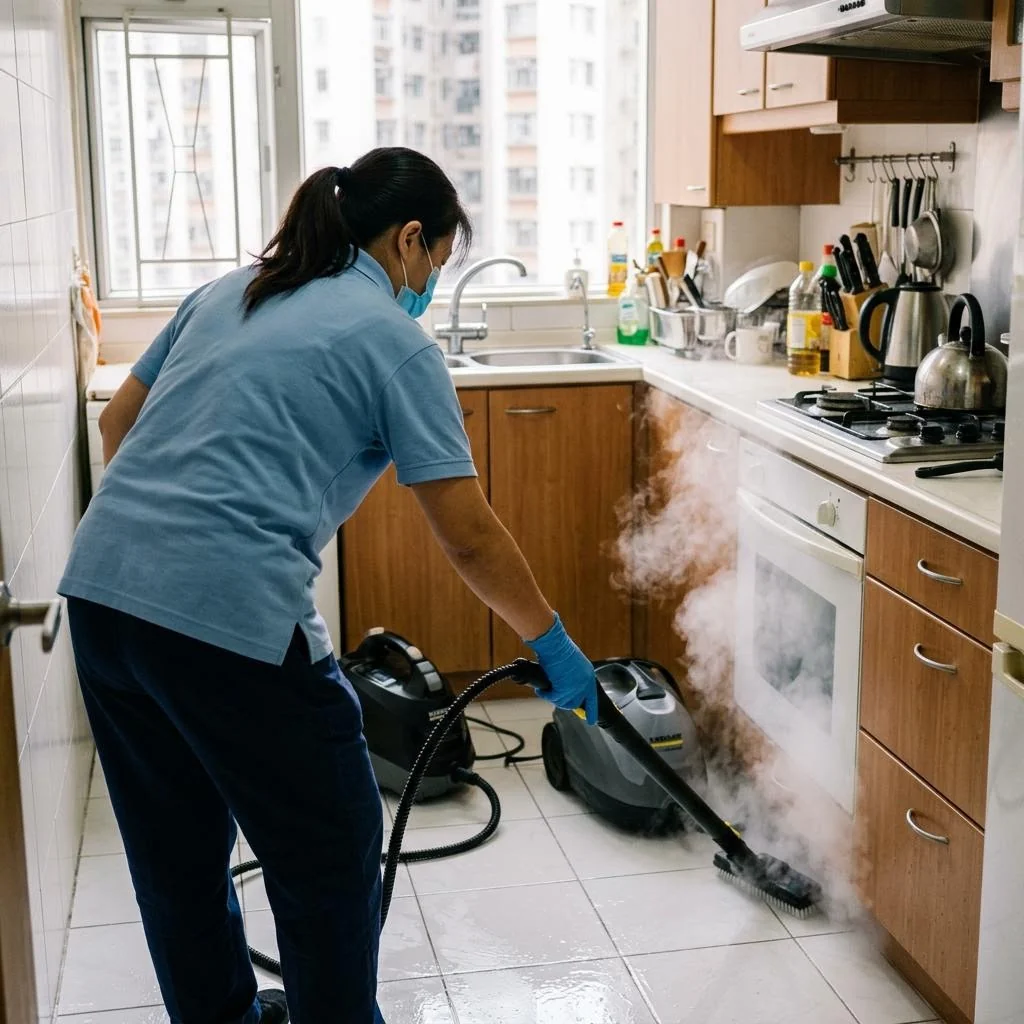
- During the cleaning process, good ventilation must be maintained; open windows or fans.
- Wear a mask, gloves, and eye protection to avoid inhaling spores or touching chemical agents.
- After cleaning, you must use a fan or dehumidifier to thoroughly dry the surface; a humid environment is the hotbed for mold regeneration.
When professional mold removal treatment is needed
If mold has penetrated the wall plaster or appears inside air conditioners that are difficult to reach, self-attempts at disassembly or applying paint are not recommended, because if the underlying layer is not thoroughly cleaned, the paint is easy to peel off and mold again. A professional cleaning team can handle deep mold and provide professional anti-mold treatment advice.
壹家壹清潔專家
壹家壹清潔專家 possesses professional mold removal technology and anti-mold plans, providing deep cleaning services for air conditioners, bathroom spaces, and wall corners, helping you protect your home health.