
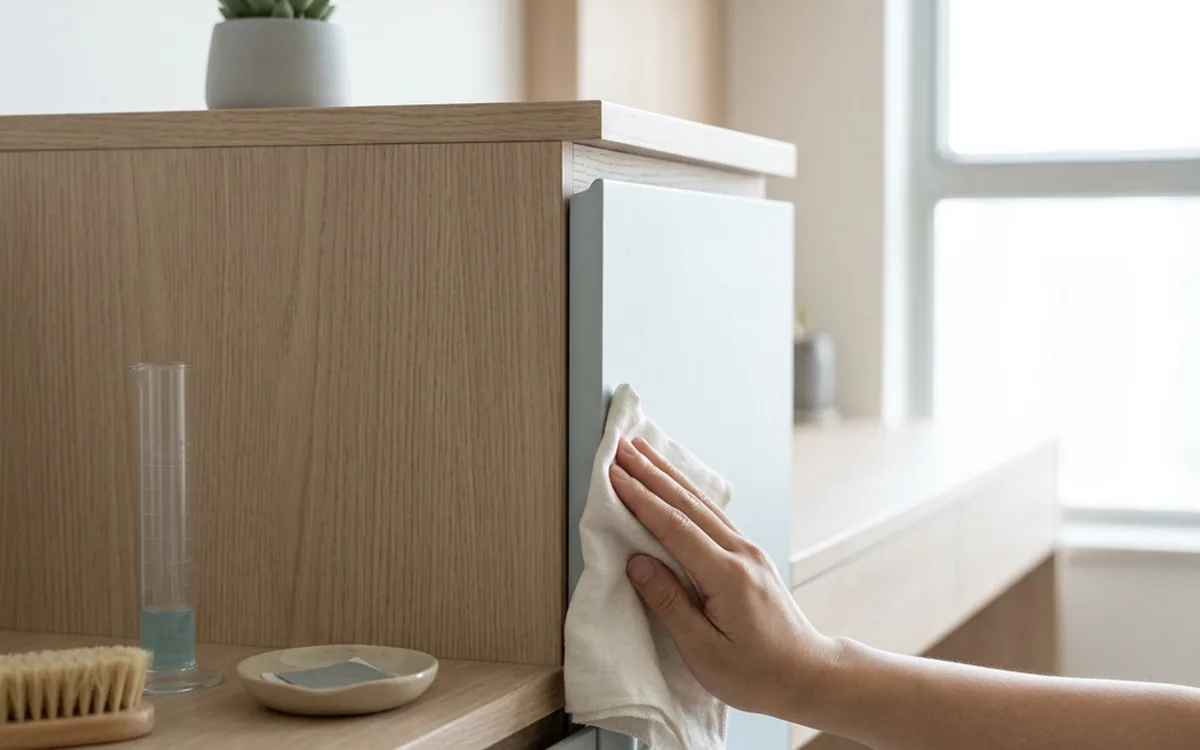
Even if boards with low formaldehyde release are used, in confined or poorly ventilated environments, formaldehyde produced by multiple pieces of furniture may still accumulate. It is recommended to attach importance to indoor overall ventilation planning and reduce excessive decoration.
Board grades and formaldehyde release differences
The market Sheung Wan grade mainly reflects the release standard of a single piece of board. Regarding indoor air quality, the cumulative risk is even more critical.
- Ecological board/blockboard: Uses solid wood as the base material, uses less glue, and the release amount is relatively low.
- Multi-layer plywood: High strength but many layers of glue; edge-sealing craftsmanship determines the total release amount.
- Solid wood composite/particle board: Affordable, but unsealed cut surfaces are extremely prone to accelerated release after being affected by moisture.
Scientific assessment of decoration load
In order to avoid exceeding the limit due to the cumulative effect of formaldehyde concentration, it is recommended to implement the following strategies:
- Calculate board load: Plan storage space according to the square footage of the unit; avoid filling all walls with cabinetry.
- Require strict edge sealing: The sawn surfaces of wood boards must be edge-sealed to prevent internal glue from being exposed.
- Reserve a ventilation period: After installation is complete, you should keep indoor air continuously circulating, and move in only after odors have decreased.
- Seek professional testing: Before moving in, use professional equipment to measure the air quality of the entire home, rather than relying solely on board reports.
壹家壹清潔專家
壹家壹清潔專家 assists you in conducting an air load assessment after decoration. We provide professional formaldehyde consultation and treatment plans, allowing your home to have both practical storage and fresh, healthy air.
