
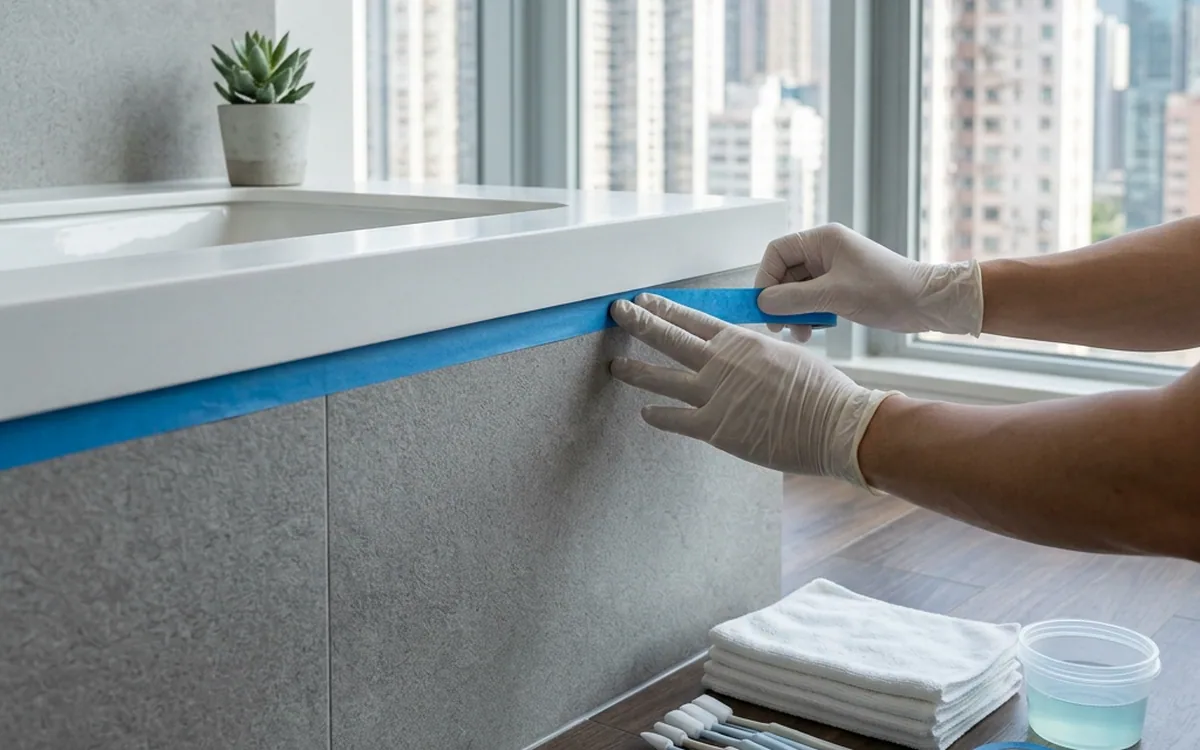
It is recommended to perform small-scale tests based on the material for renovation cleaning. If it involves a large amount of construction waste or fine dust, it is recommended to use vacuum equipment with efficient fine dust filtration functions and coordinate with the cleaning methods suggested by material suppliers. If it is just a partial renovation, you can perform targeted dust treatment yourself.
Hidden costs of DIY renovation cleaning
Fine dust left by renovations can easily cause the motor of ordinary household vacuum cleaners to overheat and be destroyed. The cost of purchasing special stain removal agents, protective equipment, and consumables is not low. If the owner lacks experience, it is easy to cause secondary dust pollution or scratch new finishes due to the wrong cleaning sequence.
Technical advantages of professional teams
Using appropriate equipment and cleaning fluids for different materials, the key is to adopt appropriate treatment methods according to the type of stain, so as to reduce the impact on the surface. The masters have extensive experience and can distinguish the maintenance requirements of marble, tile, and metal materials.
- Equipped with high-efficiency filtration vacuum equipment
- Choose neutral or special cleaning agents according to the material
- Thoroughly clean hidden dead ends such as light troughs and tracks
Material protection and safety taboos
Do not use strong acid to remove cement stains to avoid corroding marble or metal accessories. Post-renovation cleaning should follow the "dry before wet" principle, clearing suspended dust first. If it involves high-altitude glass cleaning or a dangerous dust environment, be sure to entrust a professional team and do not take risks yourself.
- Remove large waste and protective stickers first
- Use industrial vacuum cleaners for whole-house dusting
- Targeted treatment of glue stains and paint spots
- Check whether electrical sockets have residual dust
When to seek a professional assessment
If the renovation scale is large or involves precision building materials, it is recommended to arrange for a professional team to assess and quote first. You can inquire about the charging standards for the latest service items from the cleaning company. The assessment focuses on the construction scope, material types, and formaldehyde removal service needs.
- Assess construction scope and material sensitivity
- Consult the cleaning company for maintenance plans for the building materials
- Confirm the scope of formaldehyde cleaning and waste disposal included