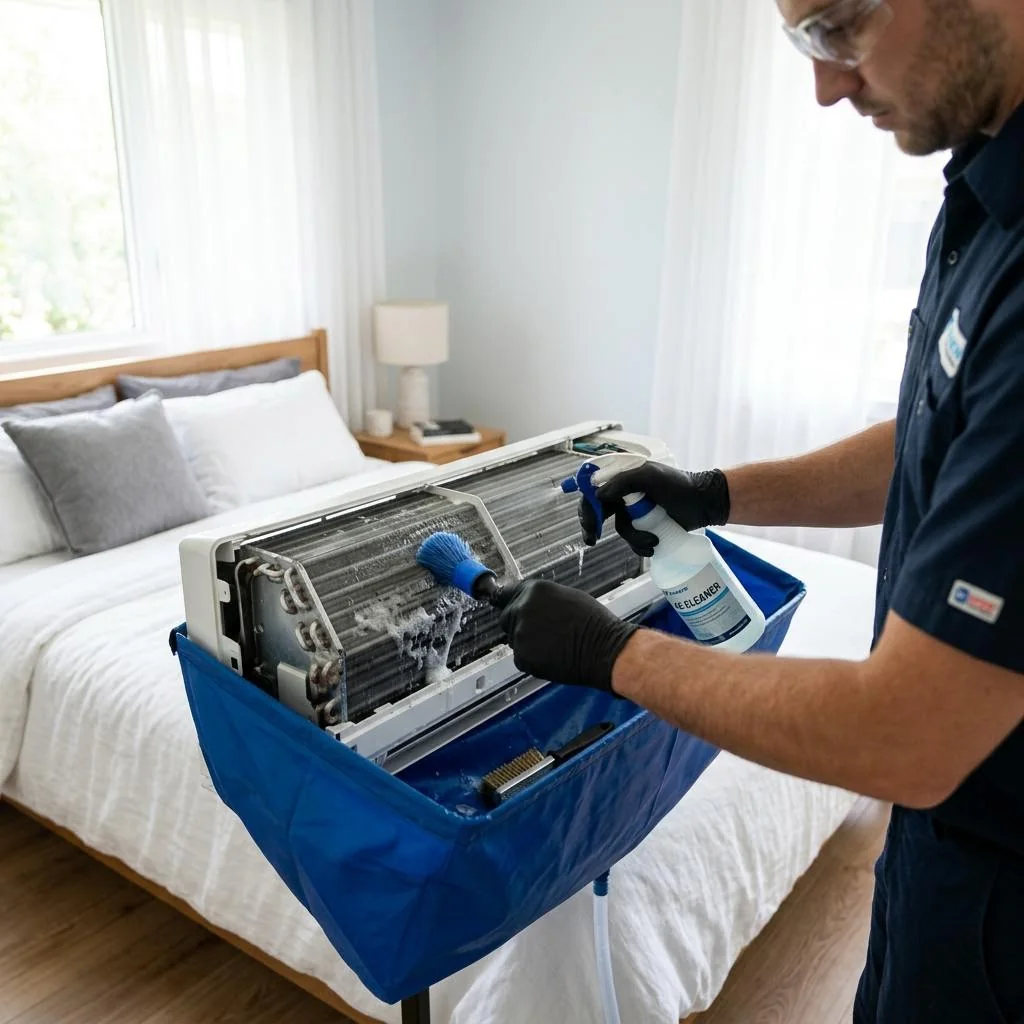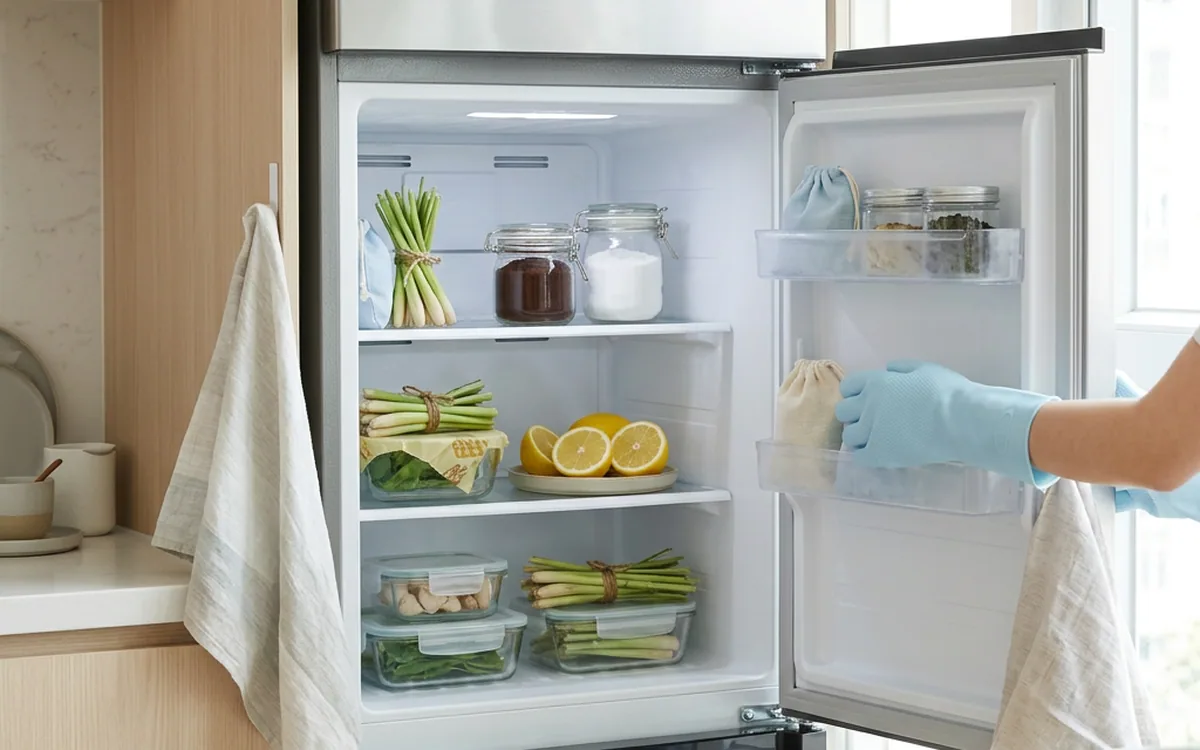
Fridge smells often stem from the blending of food aromas, cold air circulation, and residual stains. You should turn off the power and empty it, and clean the inner walls with baking soda and white vinegar; do not use strong chemical agents. Daily implementation of sealed storage, layering raw and cooked foods, and regular clearing of expired materials is required.
Causes and impact of smells in the freezer
Smells appearing in the fridge freezer compartment often occur because when cold air circulates between the refrigerator and freezer, the aromas from the refrigerator are brought into the freezer. Additionally, mixing raw and cooked food, blood accumulation caused by broken packaging, or organic residues accumulated in the internal fans and drainage pipes of the fridge will all cause the odor to persist.
If you find that the freezer's cooling power is weakening or the odor is hard to remove, you should prioritize cleaning the air ducts or checking the refrigeration system.
Natural cleaning and deodorizing steps
The cleaning process requires turning off the power to ensure safety. Using common kitchen materials is enough to achieve deep cleaning, avoiding residual pungent odors.
Be careful not to pour hot water directly on the freezer's plastic layers to avoid cracking.
- Turn off the power and clear out ingredients; take out the layer panels to warm up naturally.
- Dissolve 2 tablespoons of baking soda in warm water and wipe the inner walls and guide rails to neutralize acidic odors.
- Mix white vinegar and water in a 1:1 ratio, spray the inner walls, leave for 5 minutes, then wipe dry, utilizing the acidity for sterilization.
- After turning the power back on to cool, place an activated carbon bag or sun-dried coffee grounds to absorb residual odors.
Scientific layering and freshness habits
Establishing physical isolation is the core of odor prevention. All ingredients must be sealed and preserved to block the spread of aroma molecules.
- Sealed box doctrine: Thoroughly eliminate plastic bags and change to food-grade sealed boxes with rubber rings.
- Zonal management: Place ready-to-eat ice cubes on the top layer; quick-frozen dim sum on the middle layer; raw meat and seafood on the bottom layer to avoid dripping pollution.
- Regular clearing: Every three months, inspect and clear expired or freezer-burned ingredients.
When to stop DIY and professional suggestions
If the odor remains after cleaning, or is accompanied by refrigeration system failure, blocked drainage pipes, and other problems, it indicates that decayed organic matter has entered the mechanical structure. At this time, you should stop DIY and seek 壹家壹清潔專家 for professional maintenance, so as not to cause damage or electric shock risks by dismantling electrical appliances yourself.