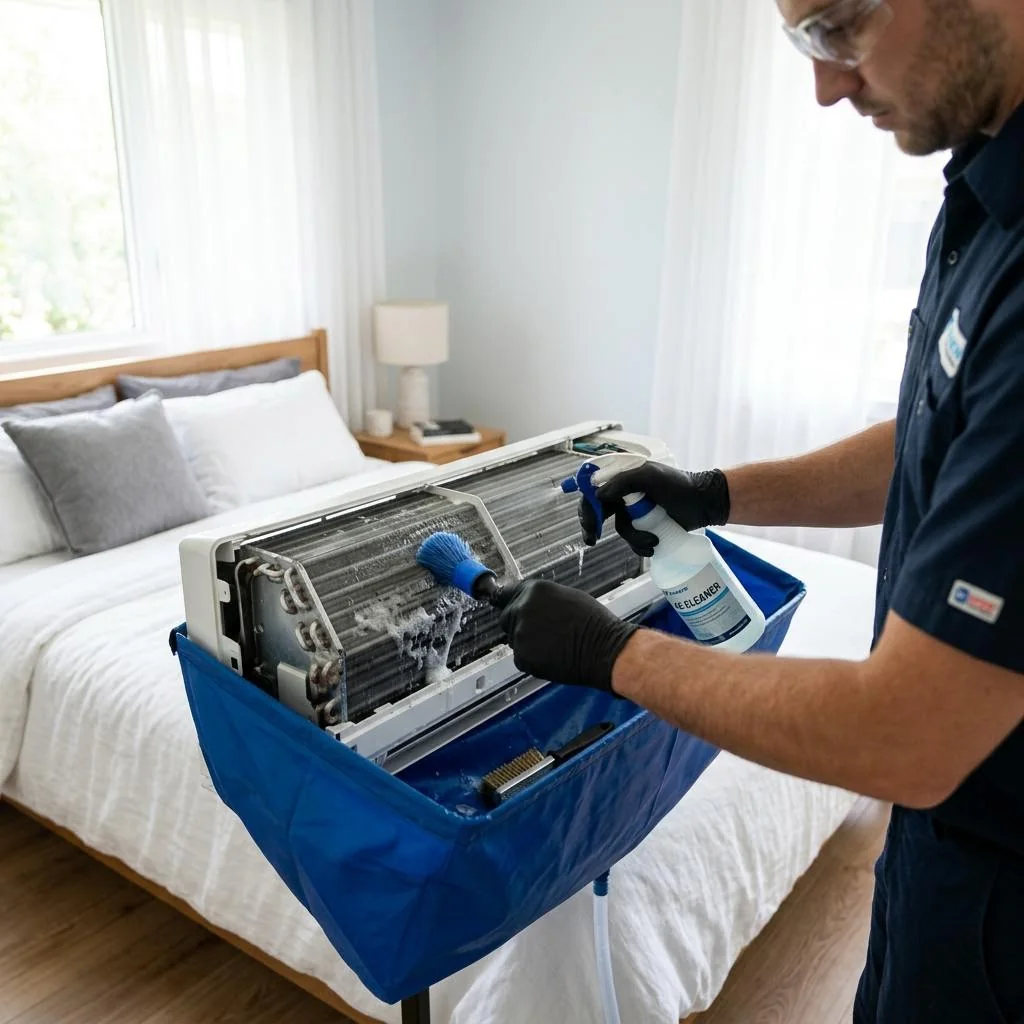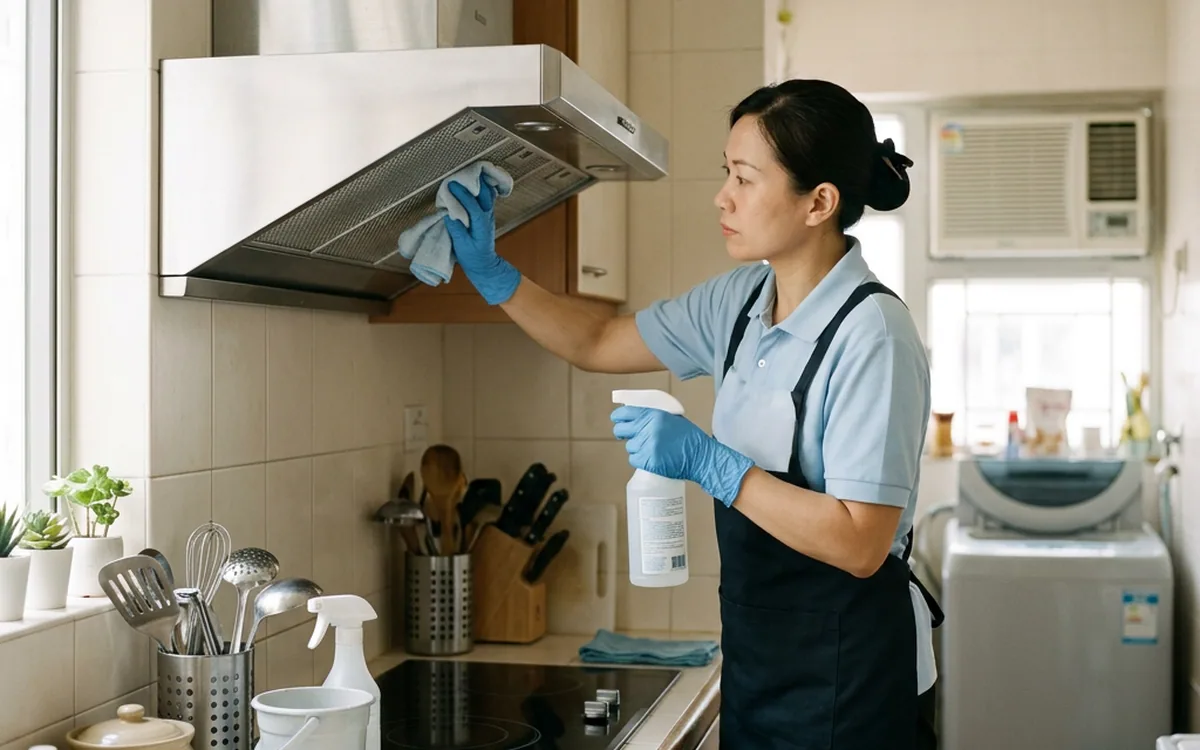
Appliance cleaning has no fixed cycle; it should be determined according to model instructions, usage intensity and dirt accumulation. You can clean the filter or door seal yourself daily, but internal dismantling and cleaning must confirm the structure and maintenance limitations. If burning smells, abnormal noises or electrical leakage occur, stop using immediately and contact repair services.
Should the cleaning cycle be based on the calendar or usage conditions?
Calendar reminders can prevent forgetting maintenance, but should not replace manufacturer instructions. For families that use them for a long time every day, cook often or have pets, dust and oil accumulation conditions may be different.
Odours, water leakage and performance changes may involve faults and cannot always be solved by cleaning. If you detect burning smells, suspected electrical leakage or abnormal noises, stop using and find repair personnel.
What parts of the four types of appliances can be self-inspected?
The following are daily observation points, which do not mean that all models are suitable for self-dismantling. Disconnect power and wait for cooling according to the instructions before cleaning, and avoid water contact with circuits.
| Appliance | Daily maintenance | Conditions requiring inquiry |
|---|---|---|
| Air conditioner | Clean dust filter and dry it according to instructions | Weak airflow, obvious dust accumulation on fan blades or persistent odours |
| Washing machine | Clean door seals, detergent drawer and manufacturer-specified filters | Recurrent black flakes, abnormal drainage or deep-seated dirt accumulation |
| Range hood | Clean removable oil filters, oil cups and housing | Thick oil on internal fan blades, abnormal noises or difficulty in dismantling |
| Dryer | Clean the lint trap after every use according to instructions | Abnormal drying time, obstructed exhaust or burning smell |
What is the difference between air conditioner cleaning and repair?
Cleaning mainly handles dust and removable dirt, and cannot guarantee the repair of refrigerant shortages, motor issues or drainage pipe problems. Provide split-type, window-type or other model types and installation locations before making an appointment.
Wait for the dust filter to dry after cleaning before reinstalling; do not spray water while the unit is running. High-altitude units or parts requiring dismantling should be handled by experienced personnel.
Do I have to dismantle and clean the washing machine if there are black flakes?
Check detergent dosage, door seals and the tub cleaning program suggested by the manufacturer first. Black flakes may be related to dirt, detergent residue or aging of components; do not rely on appearance alone to determine the cause.
If dismantling and cleaning are needed, confirm whether the model can be handled, which parts will be dismantled, and how issues such as aging, corrosion or sealing problems will be followed up. Do not mix different tub cleaning products.
What should I pay attention to before cleaning a range hood?
Oil filters have different metals, coatings and structures; do not soak all of them in strong alkali. Check manufacturer instructions first, handle with products and tools that do not damage the surface, and wait for parts to dry thoroughly before reinstalling.
Cleaning cannot replace the inspection of wires, motors and exhaust pipes. If there is a burning smell or abnormal sound, stop using it first rather than strengthening sprays.
How to establish your own maintenance schedule?
Keep a list of models, last processing dates and abnormal conditions, and adjust after regularly checking the actual dirt level. Sending the model label and a panoramic photo of the installation when booking a deep cleaning is easier for confirming the scope than just asking "how much to clean one unit".
- Record appliance models and manufacturer maintenance methods
- Arrange daily check reminders
- Record dirt accumulation, odours and performance changes
- Inquire about cleaning needs and repair inspections separately