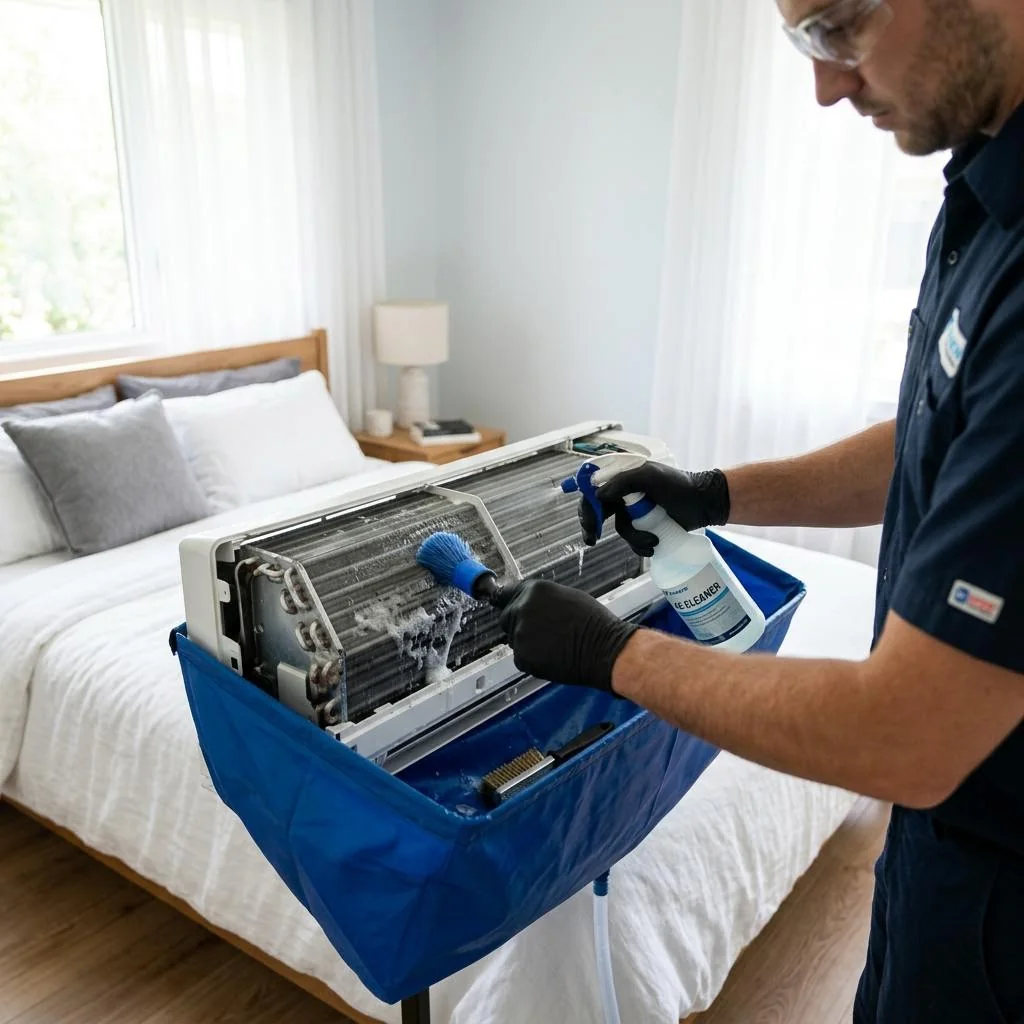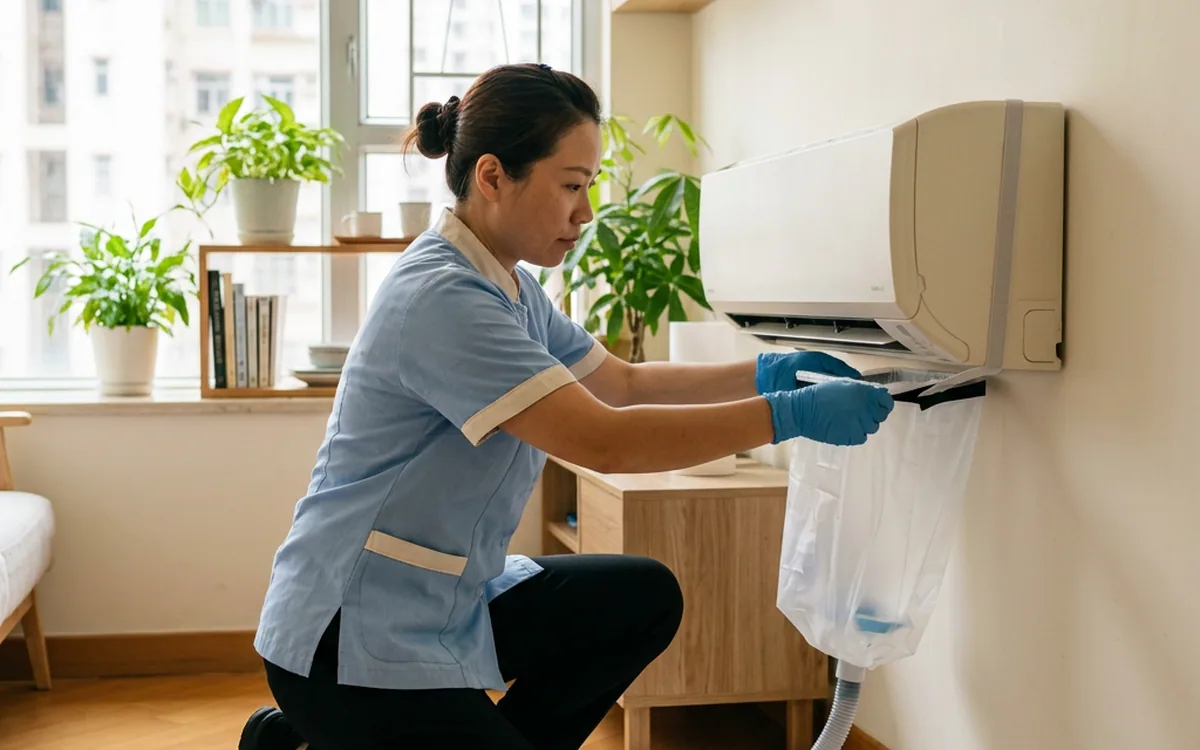
Air conditioner dripping, abnormal noise or burning smell usually involve components, drainage or installation faults, and cleaning cannot replace repairs. When inspecting, switch off the unit first and assess the condition of the dust filter. If the abnormality persists, record the symptoms and provide photos of the unit label and environment for 壹家壹清潔專家 to assess. Cleaning must follow manufacturer guidelines; do not dismantle circuits yourself.
Which symptoms allow me to check the dust filter first?
Switch off and disconnect power according to the manufacturer's instructions, and check if the dust filter that can be removed by yourself has obvious dust accumulation. Allow it to dry thoroughly after cleaning before reinstalling. Do not reach into the unit or spray water inside while it is running.
Weak airflow is not necessarily caused by dirt; it may also be related to settings or components. If the problem persists after routine maintenance, further inspection is required.
Why aren't dripping and odors always solved by cleaning?
Dripping may be related to poor drainage, installation tilt or other conditions; odours may also come from dirt accumulation inside the unit, dampness or the surrounding environment. Photos can only provide a preliminary understanding and cannot replace on-site diagnosis.
| Situation | Key points for inquiry |
|---|---|
| Dust accumulation on the dust filter | Routine maintenance and internal areas |
| Indoor dripping | Water leakage location, timing and drainage status |
| Abnormal noise or not cooling | Machine age, settings and maintenance records |
| Burning smell or suspected electrical leakage | Stop using it first and arrange for appropriate personnel to inspect |
What must be provided for cleaning booking?
The structure and working methods of window units, split units and other models are different; you cannot use the same "clean one unit" checklist to assume everything is included. If the installation position is too high or there is fixed furniture nearby, it may also affect operation.
- Machine body and model label
- The entire installation location and nearby furniture
- Close-up of dripping or stains
- Are there any abnormal noises, burning smells or maintenance records
- Is there a safe power supply and available water source
How is the home protected on cleaning day?
Remove electrical appliances, documents and items prone to dampness under the unit first, and reserve a path for operation. Waterproof protection should be arranged according to the working method; you cannot use one cloth to replace all protection.
- Confirm model and scope of work
- Remove items under the unit and protect surroundings
- Disconnect power and clean according to safety procedures
- Re-inspect after component handling
- Confirm operation, drainage and on-site tidiness
How do I inspect after cleaning?
Inspect air output, visible dirt and whether there is abnormal water leakage according to on-site instructions. Parts that are not dismantled or cannot be reached should be clearly explained; "the surface is already clean" cannot mean all internal parts have been handled.
Retain the model, service scope and completion date so that it will be easier to distinguish between cleaning and repair needs if problems occur in the future.