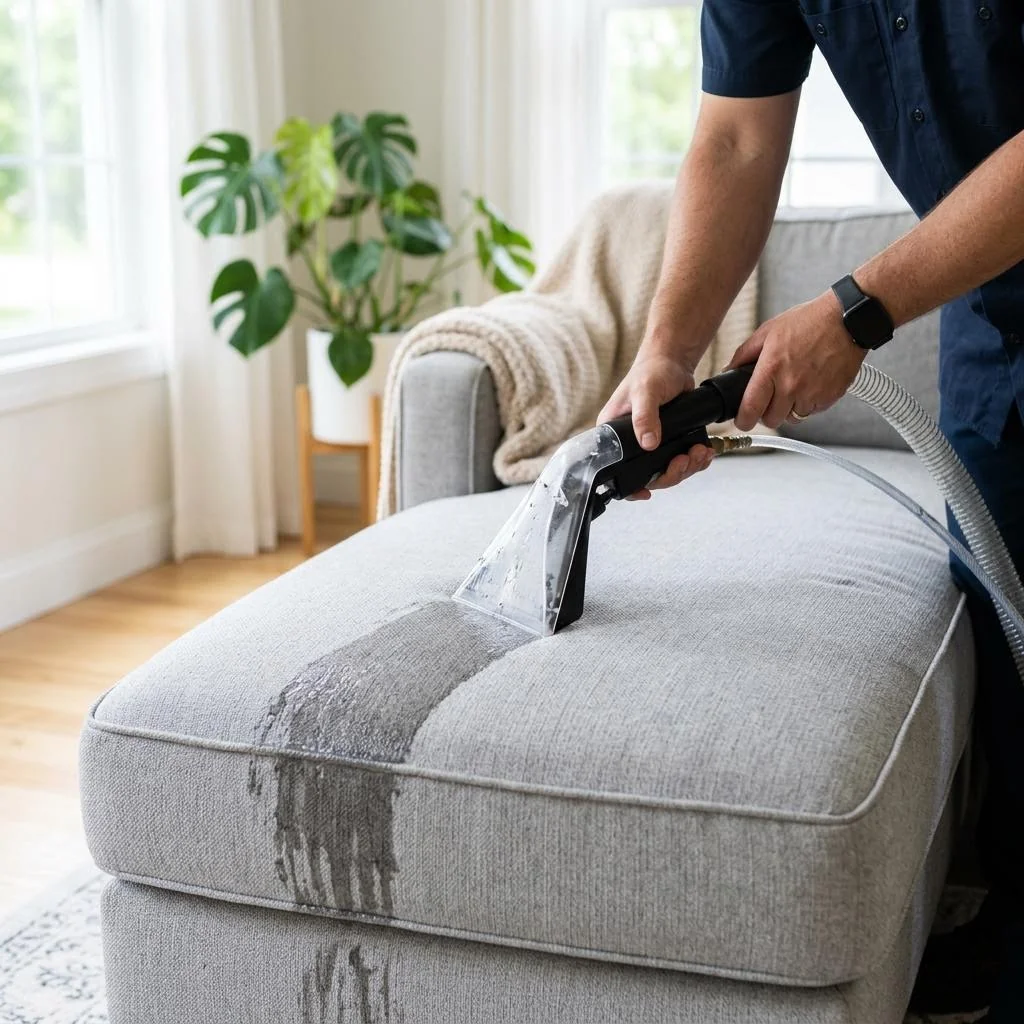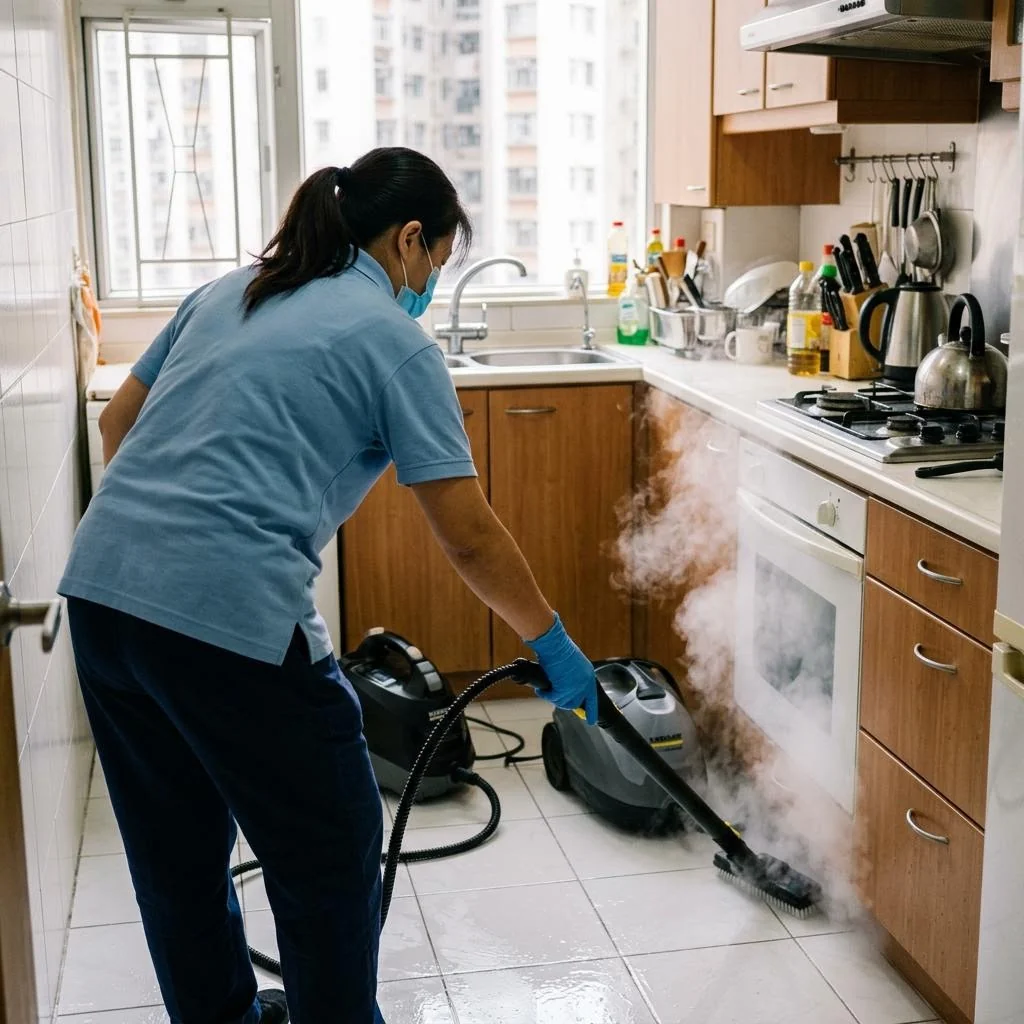
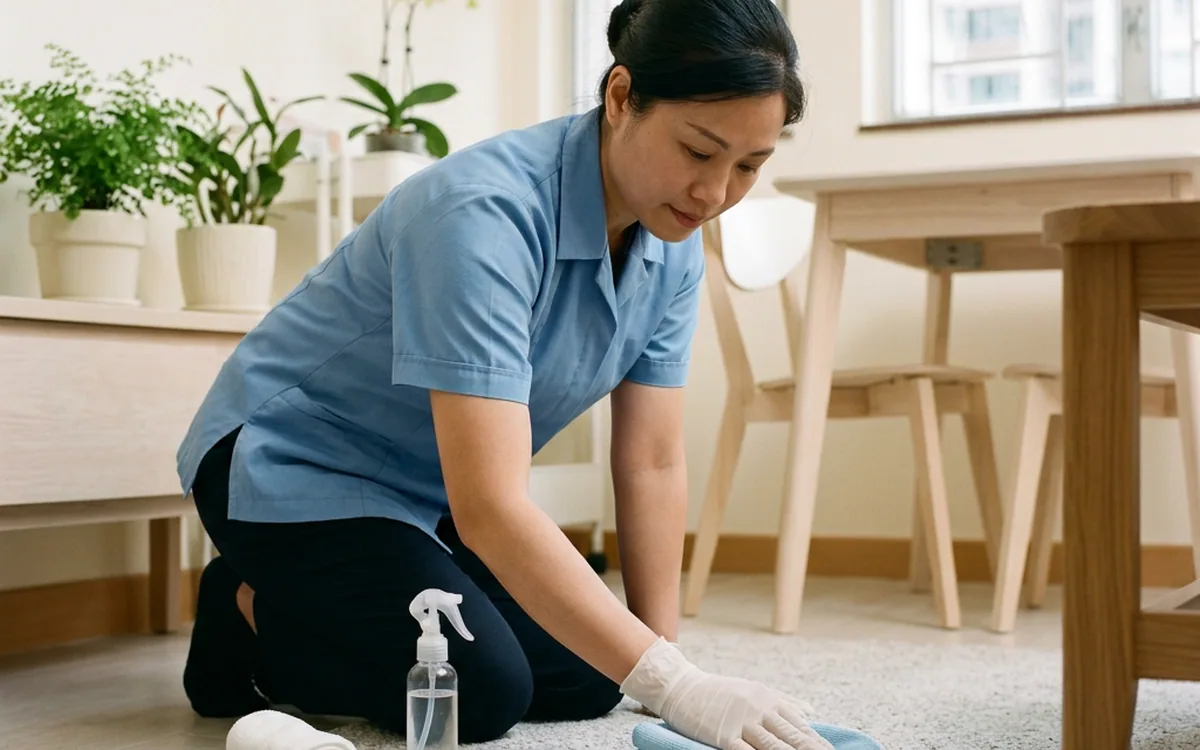
After a carpet spill, press lightly with a clean absorbent cloth; avoid back-and-forth friction that causes stains to spread or damages fibers. When handling, evaluate the carpet material and structure of the bottom layer first; spot cleaning needs to pay attention to color differences and residue. If the carpet develops deep mold spots, continuous dampness or damage to the bottom material, consider replacement according to the situation rather than continuous cleaning.
What is the first step after a new spill?
Remove solid residues first, then press lightly with a clean absorbent cloth to remove liquid, avoiding spreading the stain by rubbing. Do not pour hot water or large amounts of cleaning agents directly on materials with unknown properties.
Record components and time, such as coffee, oil, ink or other liquids, which can help assess the method; do not add different products consecutively to test effects.
What is the difference between spot cleaning and overall cleaning?
Spot handling targets one stain but may cause color differences or cleaning rings; overall handling requires evaluating the fibers, bottom layer and drying conditions of the entire carpet.
| Method | Applicable considerations | Limitations |
|---|---|---|
| Daily vacuuming | Loose dust and hair | May not handle deep stains |
| Spot cleaning | Small area and known components | Possible color difference and residue |
| Overall cleaning | Large area dirt accumulation | Must arrange drying and ventilation |
| Replacement assessment | Mold damage or bottom layer damage | Cleaning may not be able to restore |
Why should you not soak carpets very wet?
The bottom layer, glue and floor beneath may not be suitable for excessive moisture; insufficient drying may also lead to subsequent problems. A dry surface touch does not mean the bottom layer is dry.
Wool, natural fibers, special dyes and loose-lay carpets should check care information first; do not apply general methods for synthetic fiber commercial carpets to everything.
What photos should I take before booking?
Take panoramic photos and close-ups of stains first, and specify approximate area, fiber information and whether it is fixed. Stairs, furniture and equipment may affect the treatable area.
- Carpet panorama and edges
- Close-up of stains and source
- Care label or material information
- Are there any odours, dampness or mold spots
- Available power supply and ventilation arrangements
How to resume use after cleaning?
Wait for thorough drying before replacing furniture or covering according to on-site instructions to avoid sealing in moisture. Permanent discoloration of stains, fiber wear and old pressure marks may not be eliminated by cleaning.
If there are sewage issues, recurrent dampness or mold problems, find appropriate personnel to assess; US EPA reminds that some moldy porous materials may need to be removed.