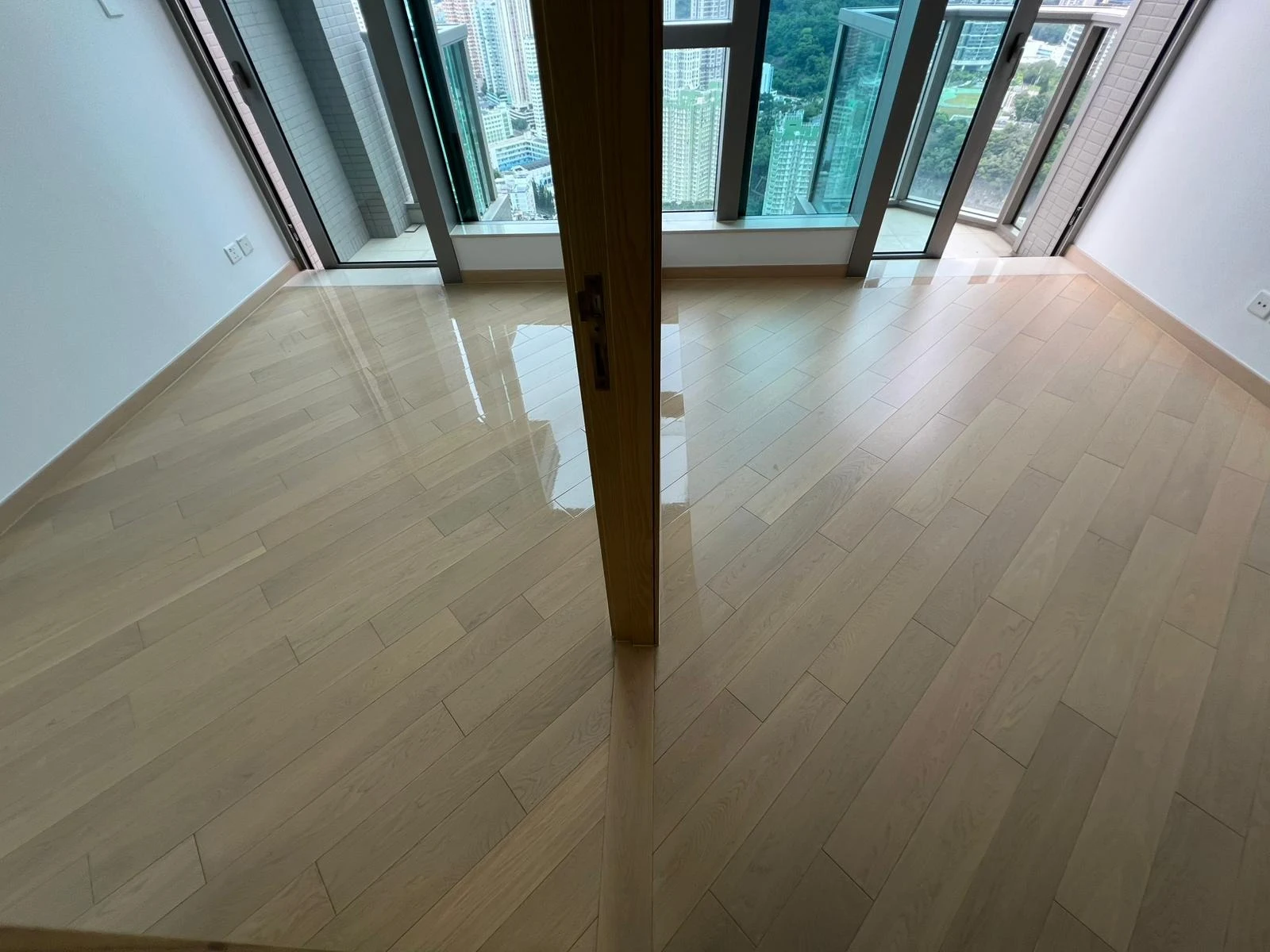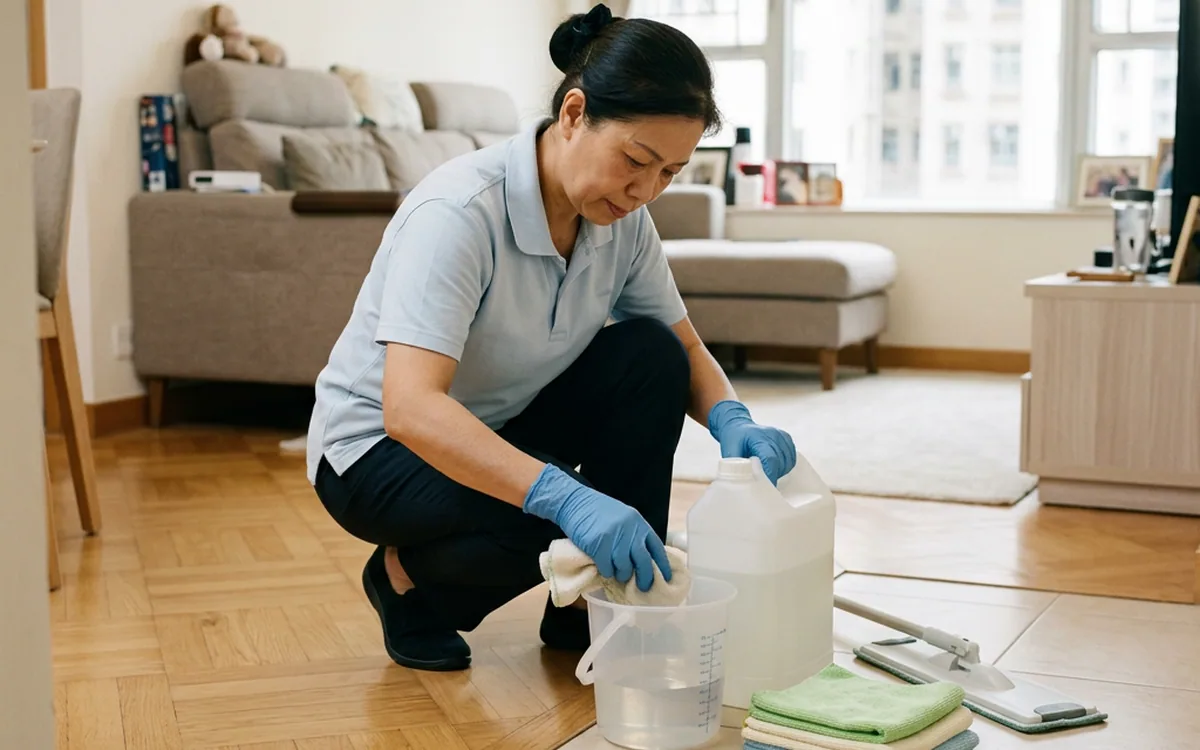
Cleaning aims to remove dirt, while waxing depends on material, coating, and manufacturer requirements. Not all floors are suitable for waxing; for instance, composite floors or stone need coating verification. Do not cover wear or slip issues with shine.
Does loss of luster always require waxing?
Surface dullness may be due to dirt, residue from old care products, coating wear, or lighting differences. First understand the material and products used in the past; do not decide to add wax based on a single photo.
Floor luster does not equal the level of cleanliness, nor does it equal slip resistance. Judge based on applicable materials, surface integrity, and cleanliness/safety.
What questions should be asked for different materials?
Some floor original coatings do not need extra wax, and misusing products can create slippery layers or affect future maintenance.
| Floor | Confirmation before treatment |
|---|---|
| Solid wood or engineered wood | Coating type, seams, and manufacturer maintenance methods |
| Composite floor | Whether wet cleaning, steam, or waxing is allowed |
| Tiles | Surface treatment, grout, and whether there is product residue |
| Natural stone | Stone type, sealer, and whether there are etch marks |
What is the reasonable order for cleaning and waxing?
Only arrange for corresponding waxing procedures after confirmation of suitability. If there is still dirt or moisture at the bottom, directly covering it with products may affect the finish.
- Identify floor material and coating
- Check for scratches, looseness, and dampness
- Test suitable methods in a small area
- Remove dirt and old residue as required
- Perform applicable care after confirming it is dry
- Arrange for walking and furniture return according to product instructions
Which issues should not be handled solely by waxing?
Buckling, seam water seepage, deep scratches, and stone erosion may require repair. High-temperature steam is not suitable for all floors, especially for seams and coatings sensitive to water or heat.
Do not cover up slippery or discolored issues with more wax; identify the cause first before deciding to clean, maintain, or repair.
How to provide information when quoting?
Provide approximate area, panoramic views, close-ups of the surface, material name, and past treatment records, and specify if furniture needs to be moved. The price should be confirmed based on actual procedures; do not directly apply cleaning prices to waxing.
When comparing completion photos, note the shooting angle, lighting, and whether the floor is still wet. Seeing the texture and surface state clearly is more practical than just looking at intense reflections.