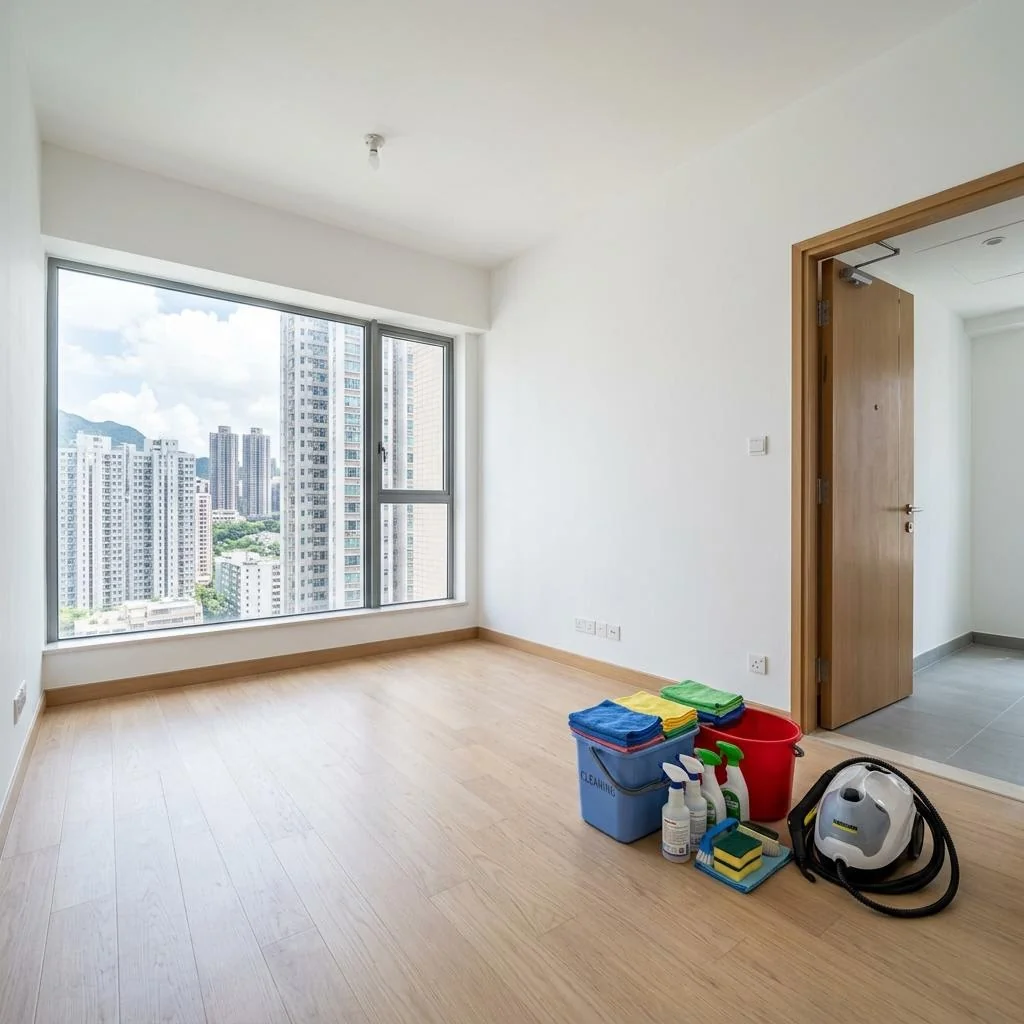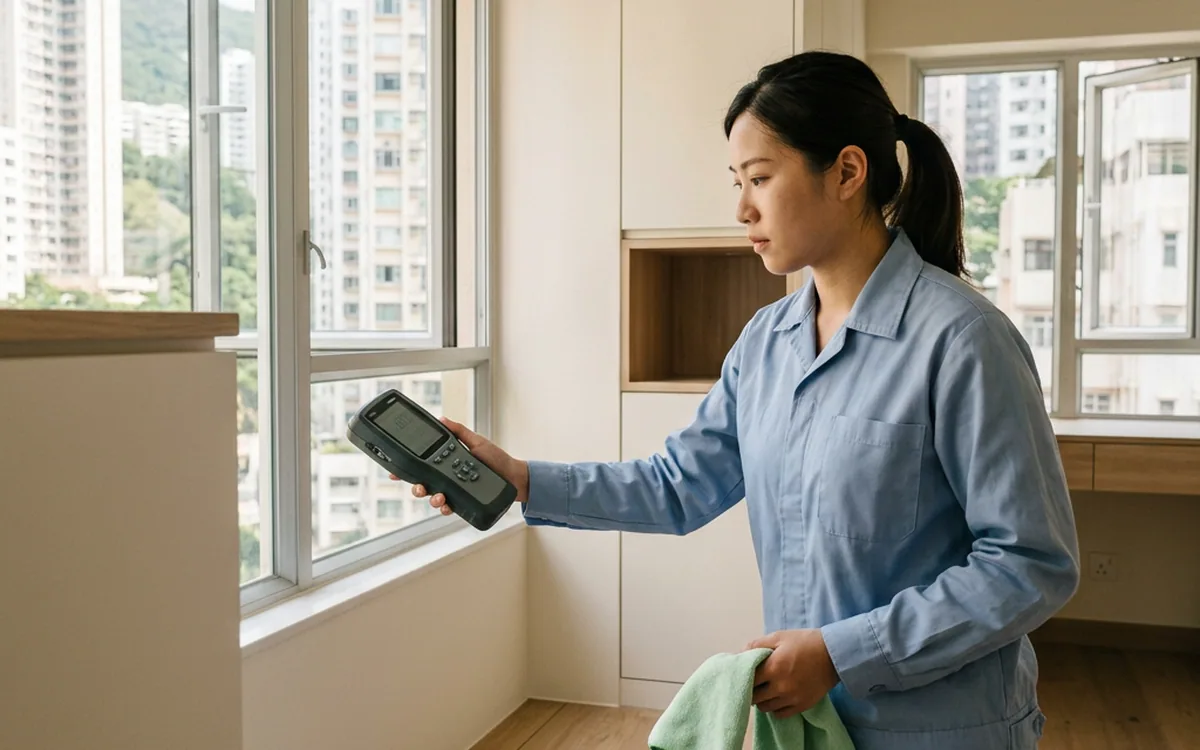
Renovation smells are composed of many substances; do not judge formaldehyde concentration by the strength of the smell. Before moving in, reduce pollution sources and keep the whole unit continuously ventilated. If you are worried about air quality, arrange professional testing with calibration records rather than relying on cleaning services to solve air pollution.
Why can't you judge by smell?
The Indoor Air Quality Information Centre points out that formaldehyde is an indoor pollutant; renovation materials, pressed wood products, and adhesives may be emission sources, but indoor smells are not formed solely by formaldehyde.
The absence of smell does not equal the absence of pollution, and the presence of smell cannot be directly converted into concentration. If you have persistent eye/nose irritation or physical discomfort, leave the affected environment and seek medical advice, rather than having a cleaning company diagnose it.
Which is more important: source control or ventilation?
Both should be considered together. Select and understand material emissions, reduce unnecessary pollution sources, and then arrange appropriate ventilation; do not rely solely on plants, aromatherapy, or a specific deodorizing product.
Turning on the AC does not necessarily mean introducing enough fresh outdoor air; understand the equipment's ventilation function and arrange air exchange according to outdoor air and safety conditions.
What conditions should be asked for air testing?
Test results must be understood in conjunction with sampling methods, locations, time, and environmental conditions; do not treat a momentary digital reading from a handheld device as a complete indoor air report.
- Is it measuring formaldehyde or other pollutants?
- Instrument, method, and calibration data
- Sampling location and time
- Door/window, temperature, and humidity conditions
- Comparison criteria used in the report and applicable scope
What is the difference between cleaning and formaldehyde removal services?
Dust cleaning can remove surface residue but is not equivalent to dealing with gases continuously released by materials. If inquiring about additional services, clarify products, methods, limitations, ventilation, and follow-up assessment arrangements.
Avoid writing 'permanent zero formaldehyde' for a single treatment or treating percentages without test support as a promise. This article does not replace source control and ventilation with any specific treatment.
| Work | Main purpose |
|---|---|
| Deep cleaning | Remove dust and removable dirt |
| Ventilation | Introduce fresh air and dilute pollutants |
| Pollution source control | Reduce emission sources |
| Testing and assessment | Understand pollutant levels under known conditions |
How to link all arrangements together before moving in?
Finish construction and material handling first, and continue to ventilate in a feasible way after cleaning. When assessment is needed, confirm testing arrangements first, and follow up according to method requirements after any extra treatment.
There is no 'safe after X days' answer that applies to all materials and units; decide based on the actual environment and professional assessment.