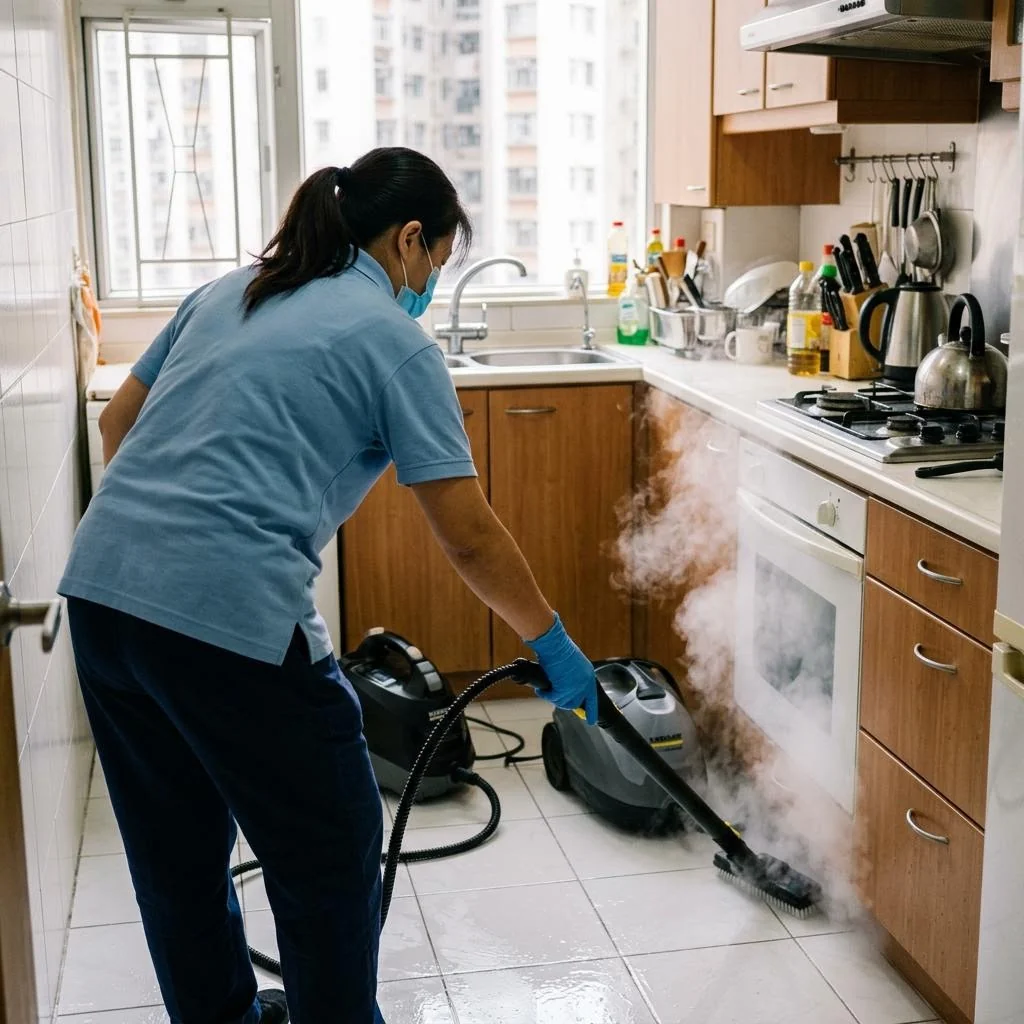
Hoarding clutter under the bed can obstruct air circulation, creating dampness and breeding dust mites, which can trigger nasal allergies and cause you to wake up at night. It is recommended to use sealed plastic boxes instead of cardboard boxes, periodically empty under the bed to vacuum, and use desiccants to keep the environment dry. If a persistent moldy odor or allergy symptoms appear, you should hire a professional team for deep dust-mite removal and cleaning.
The invisible dangers of accumulated items under the bed to sleep
Under the bed is the area in the house with the weakest air flow. Stacking a large number of items will cause the bottom of the mattress to be unable to "breathe," accumulating moisture. In Hong Kong's humid climate, this will not only grow mold, but also create a visual feeling of oppression, making it difficult for the brain to enter a state of deep, relaxed sleep.
When handling moldy materials, you can follow US Environmental Protection Agency's home mold prevention recommendations(opens in a new window)treatment and note the on-site and material restrictions.
The connection between dust mites and the respiratory tract
Cardboard boxes and old fabric items easily absorb moisture, becoming a breeding ground for dust mites. Every night when sleeping, the human body's breathing moves the surrounding airflow. If there is filth and dirt under the bed, fine dust and dust mite excrement will drift into the respiratory tract, triggering stuffy noses or allergic conditions, severely interfering with sleep continuity.
Scientific organization strategy
Organizing under the bed should follow these principles:
Decluttering: Periodically clear away items that are no longer in use.
Sealed Storage: Select sealed plastic storage boxes; cardboard boxes that easily absorb moisture and grow mold are strictly prohibited.
Dryness Management: Place moisture-absorbent beads or periodically use a small dehumidifier, and ensure the bed frame has sufficient ventilation height.
When to stop DIY and seek professional assistance
If a persistent moldy odor appears under the bed, or if family members frequently experience respiratory discomfort, first remove the source of the pollution and keep the room ventilated. If the situation does not improve, it is recommended to consult with environmental hygiene-related experts.