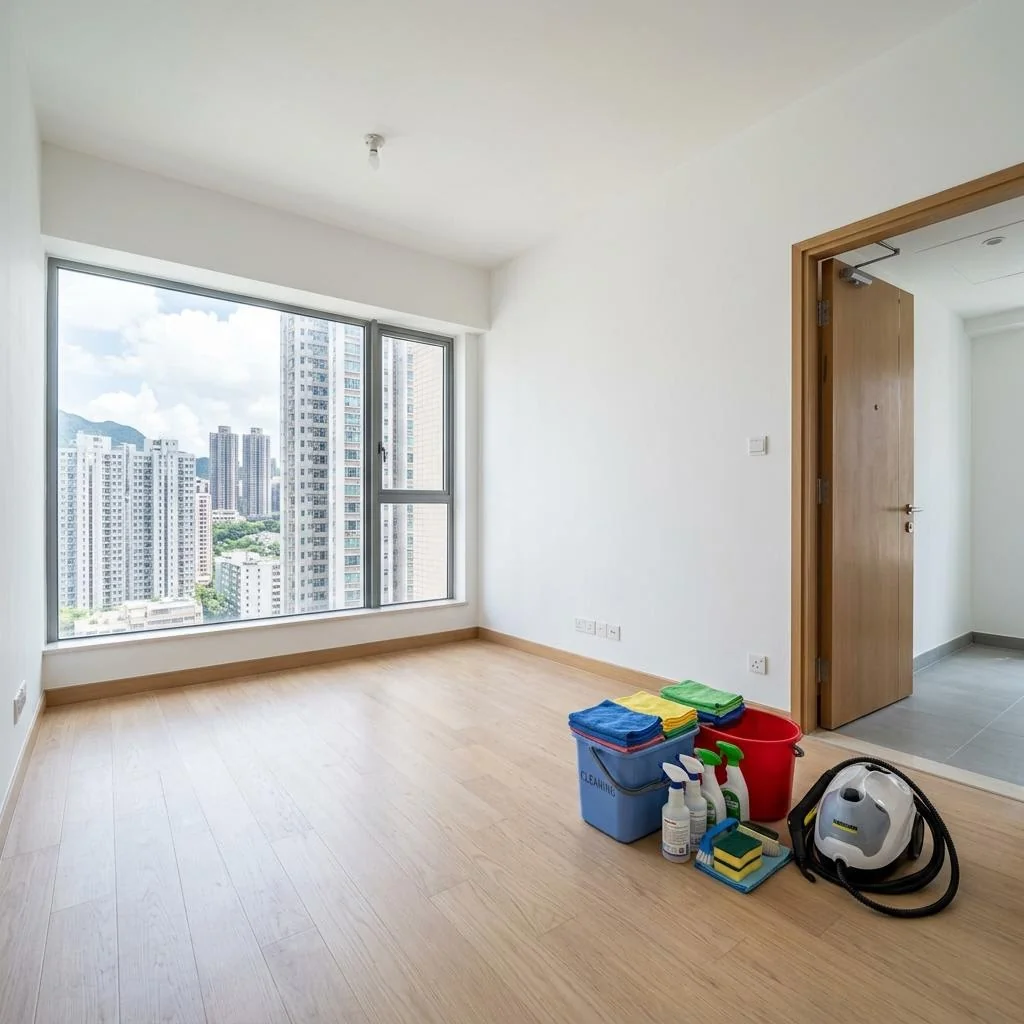
The key to making cleaning easy is to break down tasks and maintain regular habits. For example, set up a cleaning list, divide large cleanings into small tasks, and use rhythmic music and high-efficiency tool assistance. Sharing the work with family members and giving yourself small rewards after finishing can effectively relieve cleaning pressure.
Task decomposition method
Avoid piling all cleaning work into one day, as this will increase frustration.
- Micro-task allocation: Divide rooms into small areas; it only takes 15 to 30 minutes per day to complete a small space.
- Set priorities: Handle the most difficult areas when your energy is highest, and maintain routine cleaning for other places.
Environment and tool optimization
The quality of the cleaning environment directly affects your mood at that moment.
- Music and rhythm: Playing your favorite music or podcasts can effectively reduce boredom and improve the rhythm of your movements.
- Functional tools: Choose lightweight and easy-to-use cleaning tools, such as wireless vacuum cleaners, to reduce physical burden.
Establishing habits and feedback
Continuous motivation comes from feedback on the process.
- Collaboration mechanism: Create a shift schedule with family members to reduce individual burden through division of labor and view it as a shared family responsibility.
- Immediate reward: Give yourself a small reward after completing target tasks, such as a cup of tea or brief leisure, to help cultivate persistent habits.
- Judgment: If you find you cannot handle the physical labor (such as high-altitude or sewage treatment), stop immediately and hire a professional team.
- Check: After completing each area, check for any cleaning omissions, and confirm the space is organized before moving to the next position.