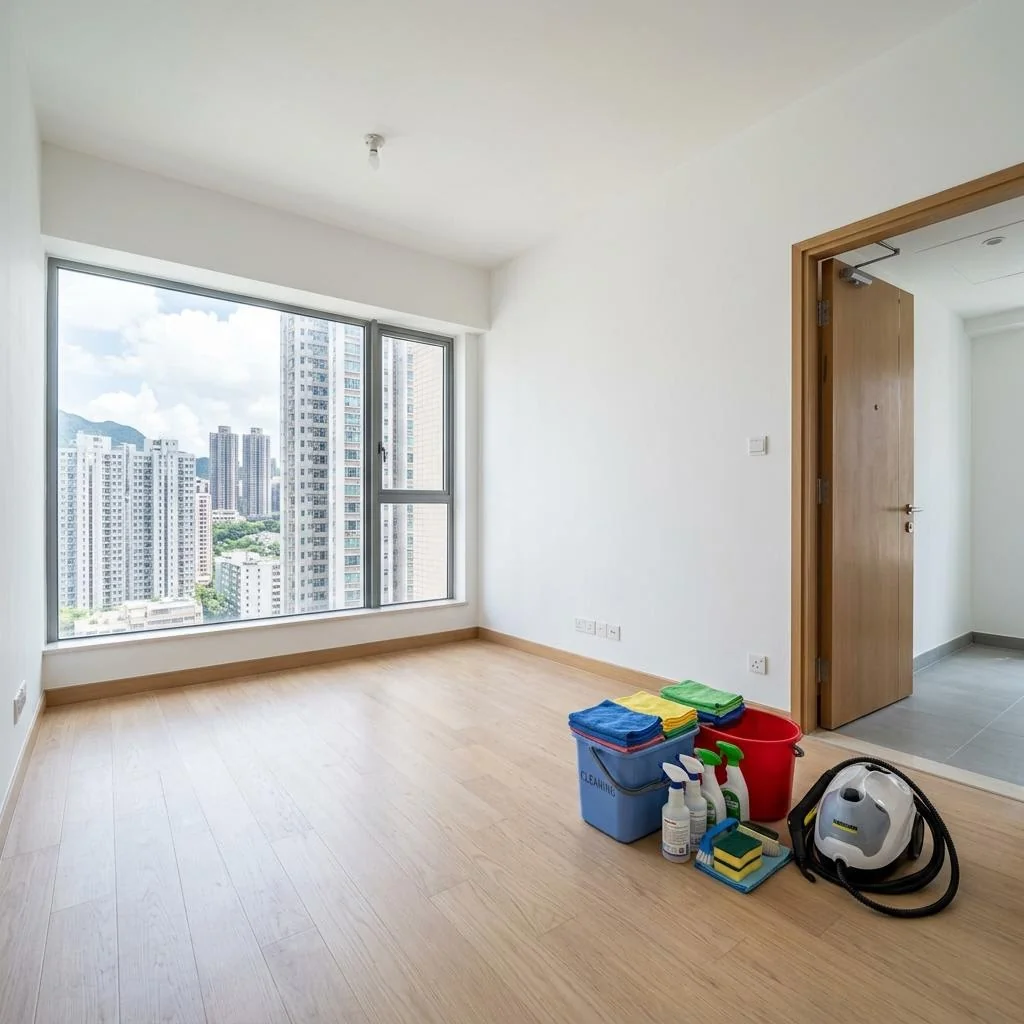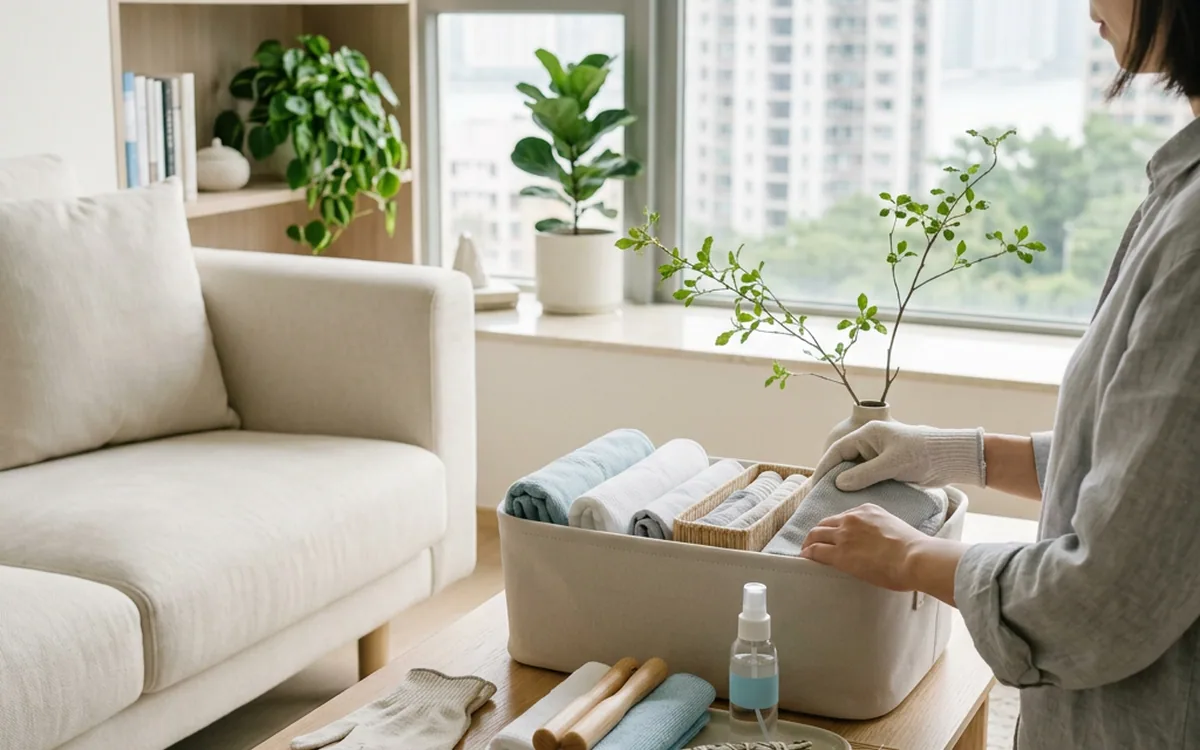
Organizing a room can reduce visual noise, lessen cognitive load on the brain, and improve living efficiency and environmental airflow. Through 'decluttering' (danshari) and regular storage, improve space airiness, thereby improving mood and quality of life.
The psychological drain of cluttered spaces.
Clutter not only occupies physical space but is also environmental visual pollution. The brain needs to constantly filter out messy information, and being under pressure for a long time consumes mental energy, leading to muddled thoughts and decreased decision-making efficiency.
Scientific practice of space reorganization.
The sense of peace brought by a cleaned environment stems from the recovery of a sense of control over life. It is recommended to start from small places and implement the 'break into parts' storage rule.
- Set clear paths: Ensure walkways are clear and allow indoor air to flow without obstruction.
- Decluttering rule: Limit to one year; items that are useless should be decisively disposed of to avoid hoarding.
- Regular light maintenance: Develop the habit of returning items to their place to prevent trash from piling up again.
Efficient DIY house organizing steps.
To avoid giving up halfway, it is recommended to set specific goals rather than forcing yourself to finish the whole house at once.
- Start from a single corner, such as a drawer or dressing table.
- Set a 15-minute time-limited goal and focus on that small area.
- Item classification: Divide into 'keep', 'give away', and 'discard'.
- Completion check: Ensure all kept items have a fixed location (a place to belong).
When to consider professional team assistance.
Years of built-up dirt or extensive clutter can be difficult to tackle alone. Depending on what you need, consider a suitable decluttering or cleaning service.