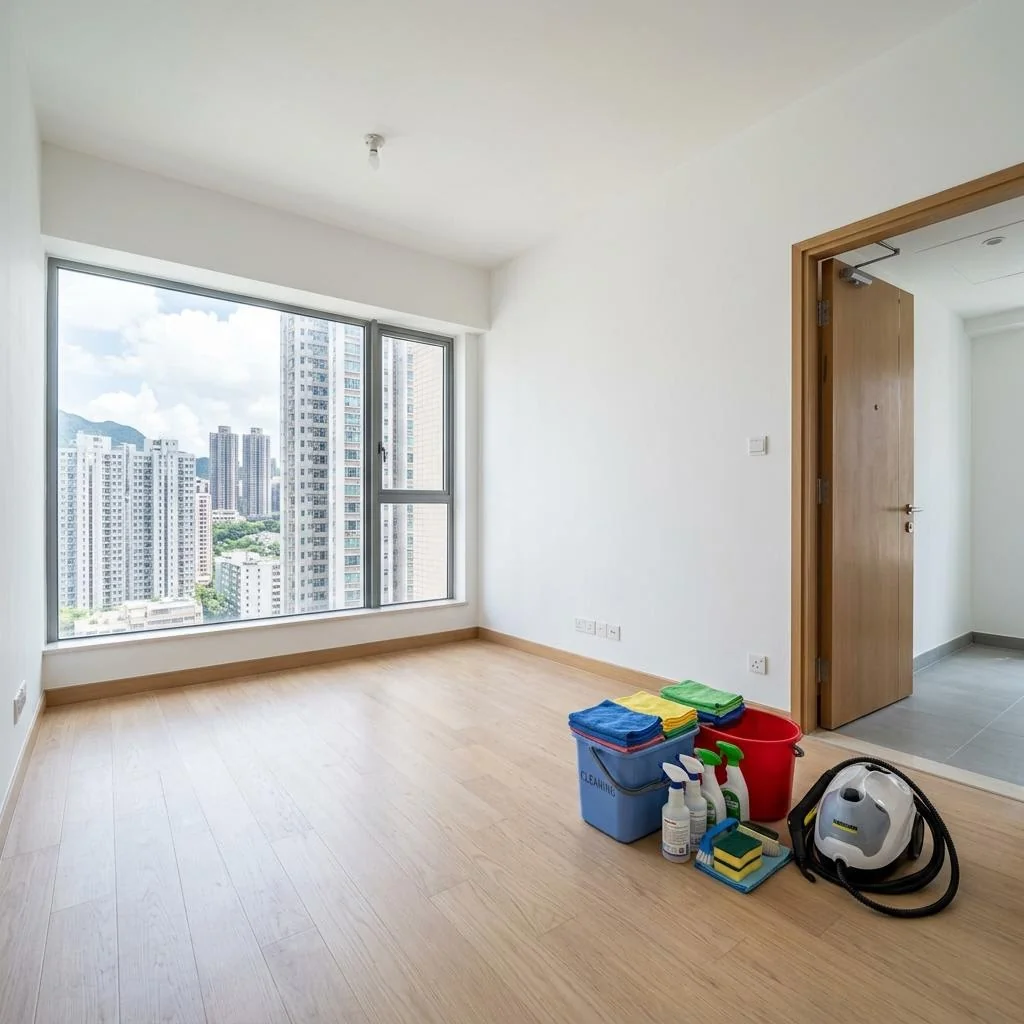
Cluttered environments increase cognitive load on the brain, consume frontal lobe mental energy, and lead to decision fatigue. Through 'subtractive living' of items, setting up fixed return locations, and cooperating with professional teams to handle deep dirt, you can effectively reduce visual noise, help keep your thinking clear, and improve decision quality.
Threat of visual noise to the brain
The brain has a subconscious detection mechanism for surrounding messy images. When the home is full of clutter, the brain's visual cortex continues to process these useless background messages, causing a heavy 'cognitive load.' In the high-pressure environment of Hong Kong, this accelerates mental energy depletion, making people more prone to fatigue and impulsiveness in work and life decisions.
Space clutter and decision fatigue
Research shows that when an office desk or study is filled with clutter, the brain wastes prefrontal cortex energy while searching for items. When prefrontal energy is exhausted, decision quality drops, leading to procrastination or susceptibility to decision paralysis. Keeping the environment tidy is not just about aesthetics, but a necessary condition for keeping the brain operating efficiently.
Space state comparison analysis
The following is a comparison of the effects of cluttered versus clean spaces on the brain state:
- Cognitive load: Cluttered spaces cause subconscious distraction, keeping one constantly exhausted; clean spaces allow for highly focused attention.
- Decision quality: Cluttered environments easily trigger decision fatigue, leading to bad judgment; tidy environments help clarify thinking and weigh pros and cons quickly.
- Emotional regulation: Clutter accumulates anxiety; tidiness helps lower stress hormones and stabilize emotions.
Scientific organizing and space release techniques
Organizing should adopt a 'micro-breakthrough' strategy. Avoid causing panic by moving everything out at once; start with small areas like a desk or shoe cabinet.
- Three-way screening method: Divide items into 'Keep, Give, Discard' categories and be decisive in letting go.
- One place for each item: Set a unique return location for every object to thoroughly reduce visible clutter.
- Professional assistance: For large amounts of aged grime or post-renovation dust, commission a professional cleaning company to avoid giving up halfway due to exhaustion.