Pets licking the floor are prone to ingesting chemical residues; traditional heavy-duty cleaners impose a significant burden on their liver and kidney metabolism. You should use non-toxic, pet-safe cleaners and insist on a double-rinse procedure. If you encounter deep-seated stains, it is recommended to hire a professional team to avoid using harsh chemical agents yourself and accidentally harming your pets.
The Invisible Threat of Chemical Cleaners
Traditional household cleaners often contain surfactants and powerful disinfectants. Cats and dogs have a habit of licking their fur, and floor residues are ingested directly. Long-term contact can lead to contact dermatitis and even cause irreversible damage to the pet's liver and kidneys. Some disinfectants contain phenolic compounds, which pose a highly toxic risk to cats.
Safety Cleaning Standards for Pets
In a pet-friendly household, cleaning should prioritize material safety and ventilation.
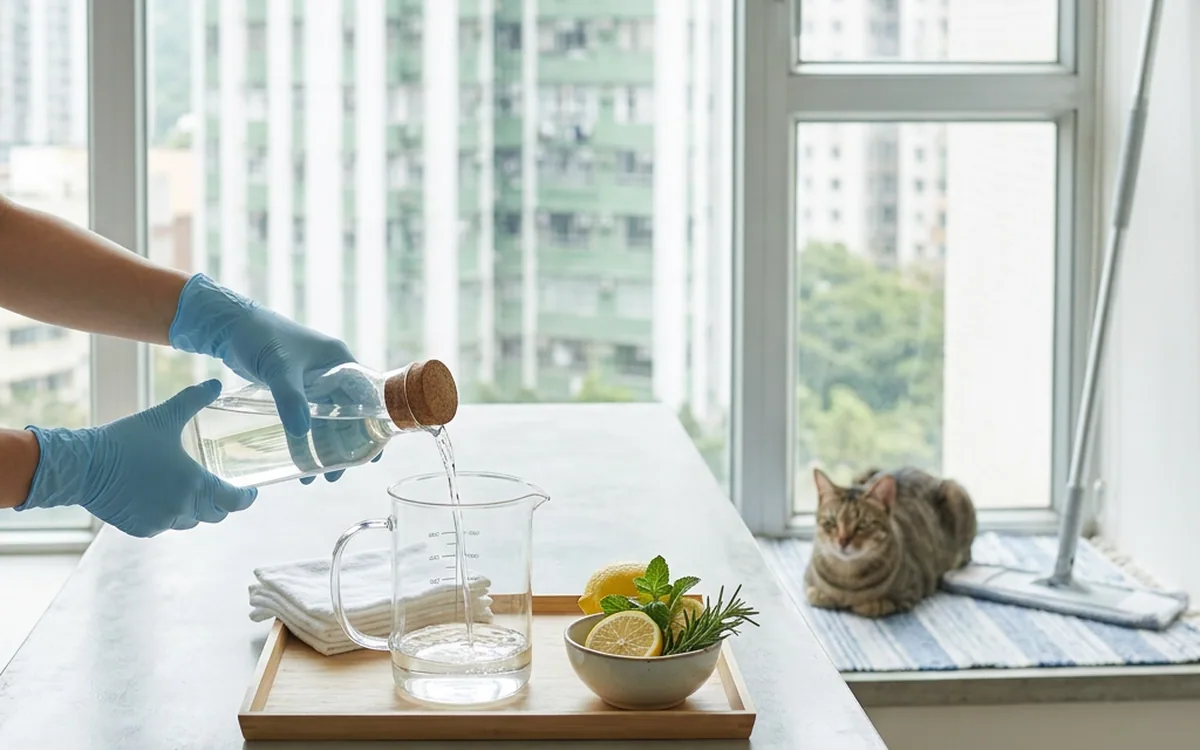
- Select pet-specialized cleaners with natural ingredients that are fragrance-free and contain no phenol or chlorine-based bleaching agents.
- Strictly follow a double-rinse procedure after cleaning to remove all residues.
- Maintain good indoor air circulation and ensure the floor is completely dry before letting pets walk on it.
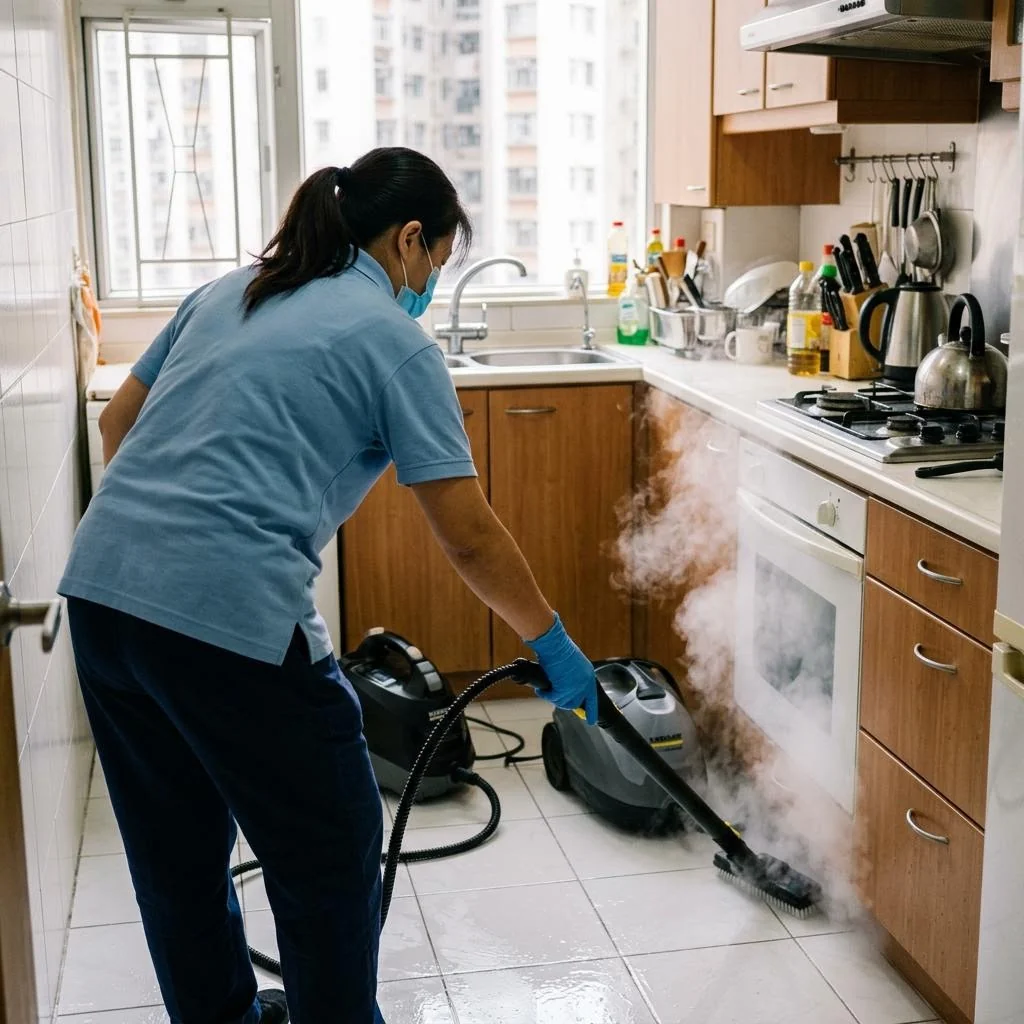
- Use a high-temperature steam cleaner with water for physical disinfection, reducing the quantity of chemicals used.
When to Seek Professional Cleaning Help
Spot cleaning can be done daily, but if you face the following situations, you should hand it over to a professional team: deep urine stains and stubborn odors caused by having multiple pets at home, whole-house disinfection during seasonal changes, and deep deodorization and purification before moving into a new home. A professional team can effectively decompose organic proteins in crevices instead of simply masking odors.