
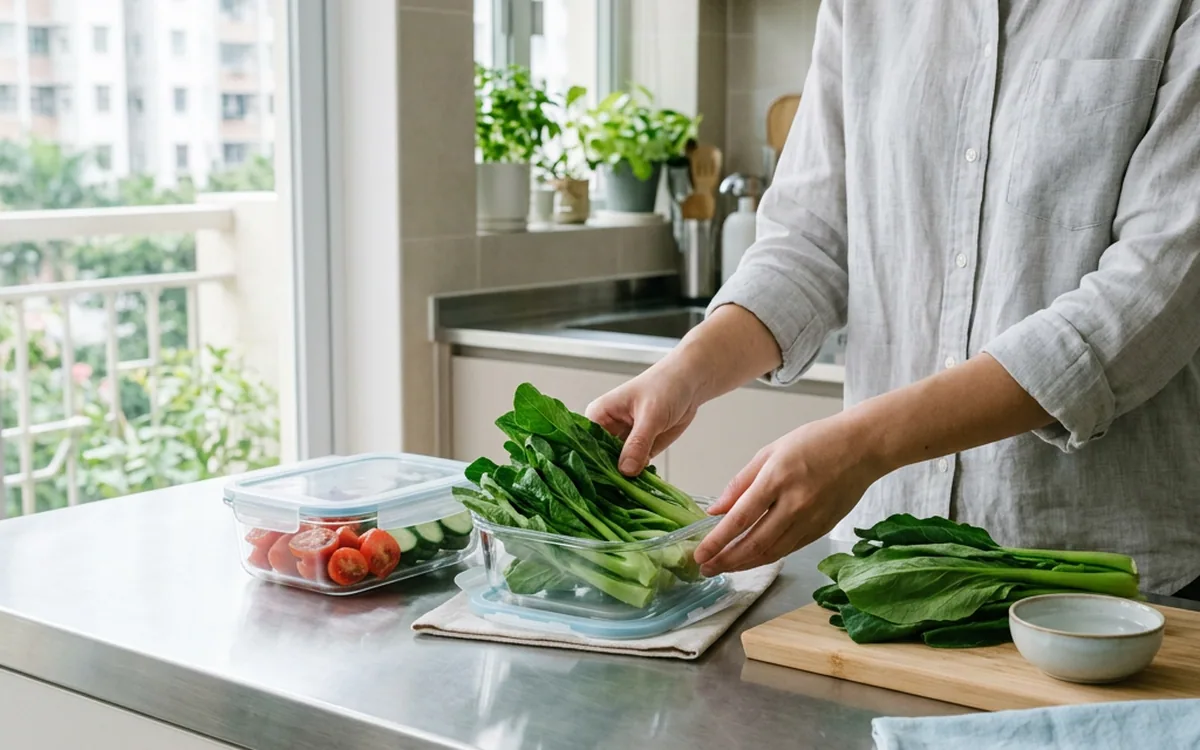
Kitchen cleaning can reduce bacterial and mold growth and prevent cross-contamination. The focus is on separating cutting boards for raw and cooked food, keeping the refrigeration environment dry, and thoroughly cleaning and disinfecting tools that come into contact with food, lowering the risk of foodborne diseases.
Food storage and handling hygiene
The kitchen is a high-risk point for the spread of pathogens. When storing ingredients, clean the inside of the refrigerator regularly to ensure no expired food and keep the space dry. Fruits and vegetables need to be thoroughly washed before handling to remove dust and pesticide residues on the surface. When cleaning the refrigerator, wipe shelves with water and mild cleaner and keep them dry after completion.
Disinfection principles for kitchenware and cutting boards
If kitchenware is cleaned improperly, it easily becomes a breeding ground for bacteria. After handling raw meat, related tools must be thoroughly cleaned to prevent cross-contamination. After cleaning tools, they can be appropriately disinfected regularly and must be kept dry.
When arranging cleaning and disinfection, you can refer to The Centre for Health Protection's environmental hygiene guidelines(opens in a new window)treatment and note the on-site and material restrictions.
When handling moldy materials, you can follow US Environmental Protection Agency's home mold prevention recommendations(opens in a new window)treatment and note the on-site and material restrictions.
- Cutting boards and knives for raw and cooked food should be used separately.
- After each use, kitchenware should be thoroughly cleaned with dish soap and hot water.
- If kitchenware appears deeply moldy, items that cannot be thoroughly cleaned should be considered for disposal.
Sterilization steps for countertops
The kitchen countertop is the core of food preparation and must be disinfected regularly. When cleaning, use a cleaner to remove surface grease and debris, then wipe clean with water.
- Wipe the countertop immediately after each cooking.
- If the countertop has come into contact with raw meat, remove surface dirt before disinfection.
- Ensure the countertop is completely air-dried after completion to avoid moisture accumulation leading to mold.
When should you seek professional cleaning
If a large amount of stubborn grease has accumulated in the kitchen, or if you find mold spots in hard-to-reach corners, DIY may be difficult to achieve thorough disinfection effects. Professional teams can use high-temperature steam and other equipment to go deep into gaps to clear hidden grease and bacteria, ensuring that the cleaning meets health standards.
