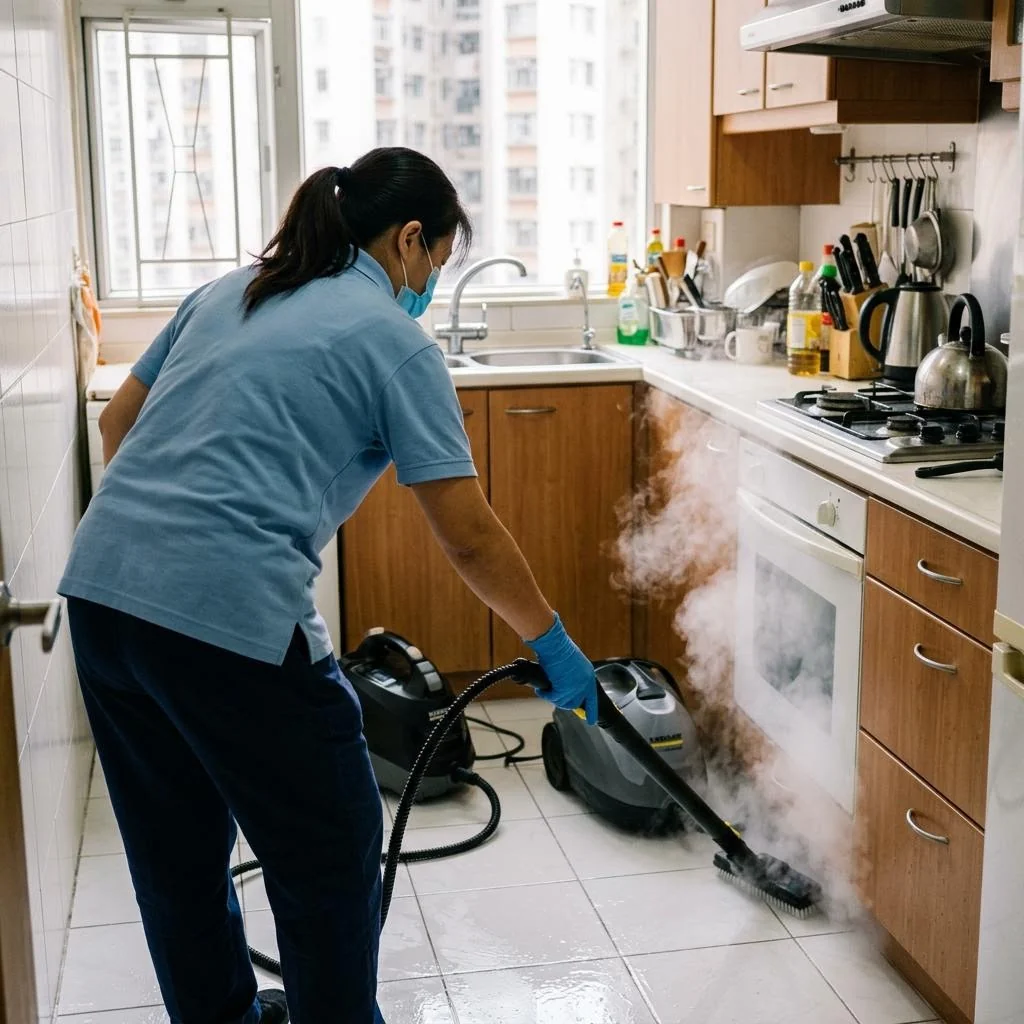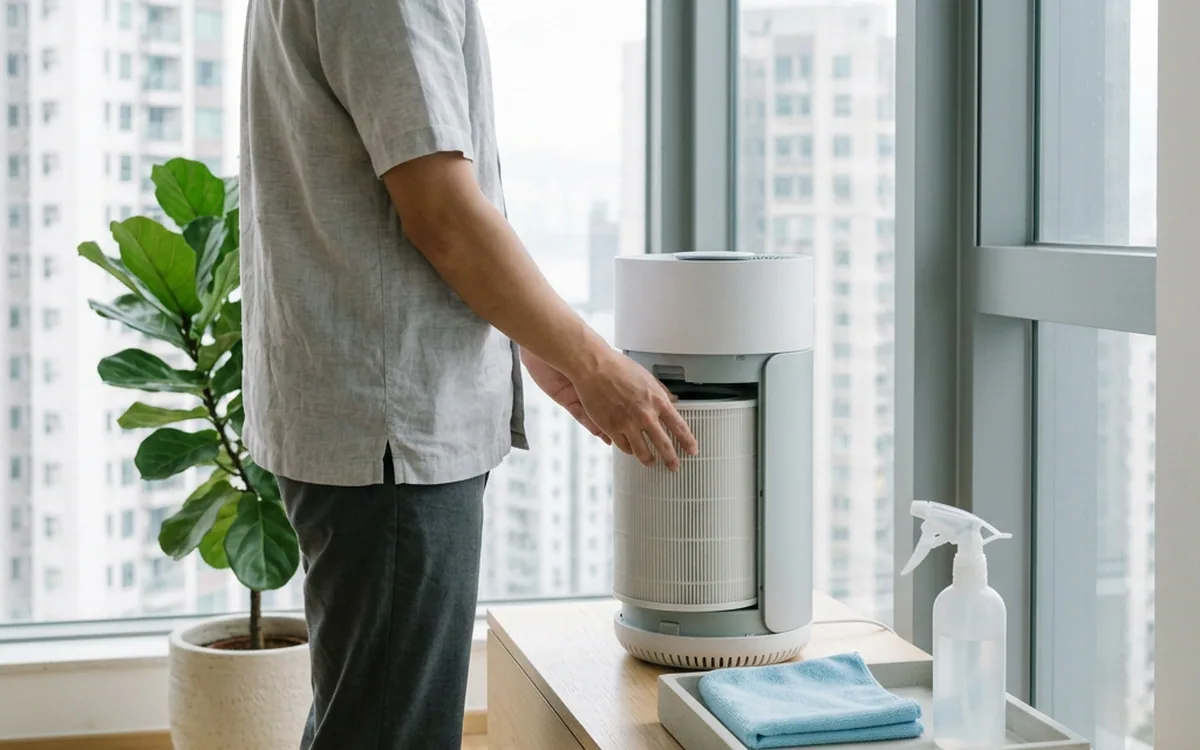
Dusting should follow a "top-to-bottom" principle, and it is best to prioritize vacuum cleaners equipped with HEPA filters, avoiding tools that stir up dust. During dusting, you also need to clean lamps, curtains, and high corners. In addition, maintaining indoor ventilation and proper humidity can inhibit dust mite reproduction and ensure home hygiene.
Basic dusting principles
Cleaning order is key to efficiency; adopting the correct path can avoid secondary dispersal of dust.
- Top-to-bottom: First clean ceiling corners and lamps, then clean furniture surfaces, and finally clear the floor to ensure that dust falling to the ground is cleaned up at once.
- Dry wiping method: Use microfiber cloths or dusting paper. These materials can effectively absorb micro-dust instead of GRAND JETE it.
Choosing efficient dusting tools
Proper tools can achieve twice the result with half the effort, while wrong tools may pollute the air.
- HEPA filter vacuum cleaner: Capable of capturing tiny dust particles, preventing them from recirculating indoors after emission.
- Long-reach extension pole: Used to reach ceiling corners, the top of air conditioners, and high shelves, ensuring no cleaning dead ends.
Deep cleaning and environmental control
Surface wiping alone is not enough to thoroughly clear allergens; it needs to be combined with environmental management.
- Regularly clean textiles: Curtains, pillows, and carpets are dust disaster areas and need to be cleaned or replaced regularly.
- Air circulation: Keep windows open or use air purifiers, and keep humidity between 45% and 55% to prevent dust mite propagation.
- Judgment: If members of the household frequently experience nasal allergies, it means you need to increase the frequency of dusting.
- Check: After cleaning, confirm there is no visible dust on smooth surfaces and ensure air circulation.