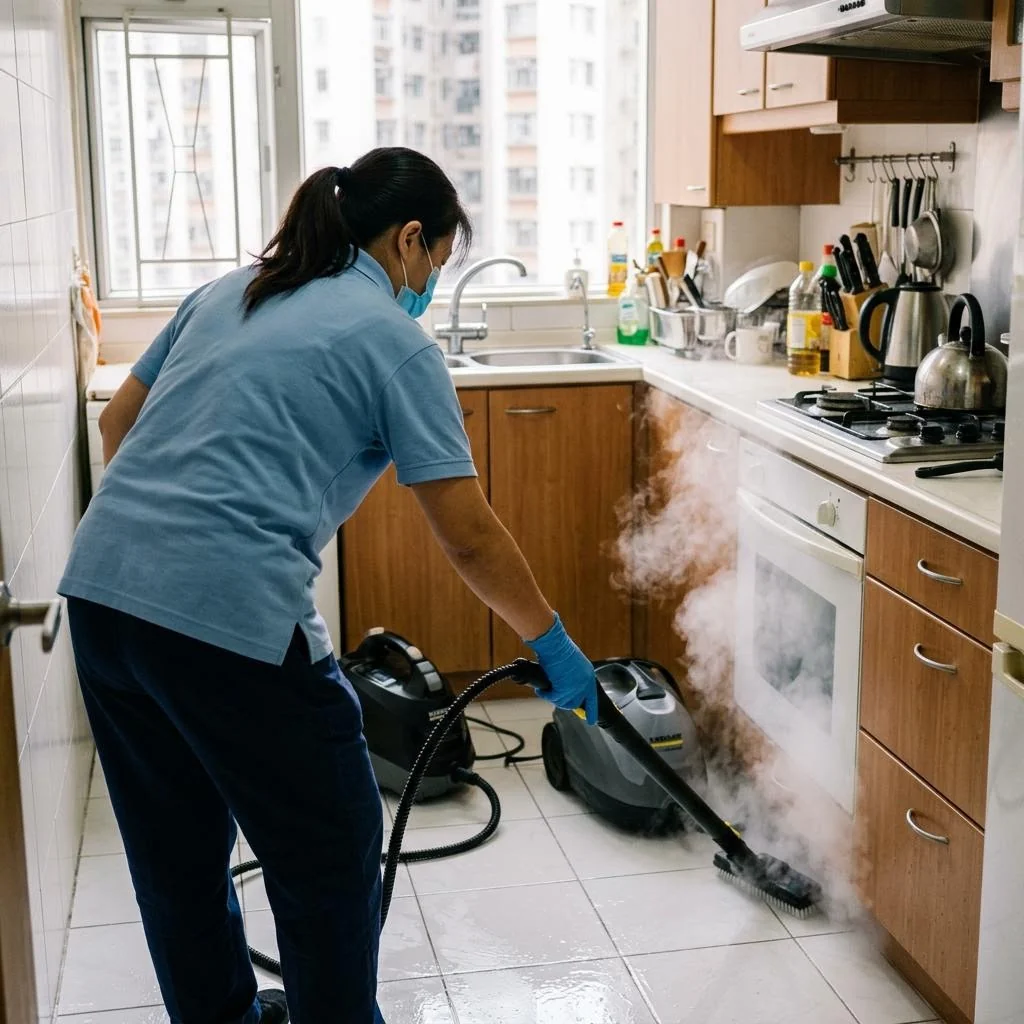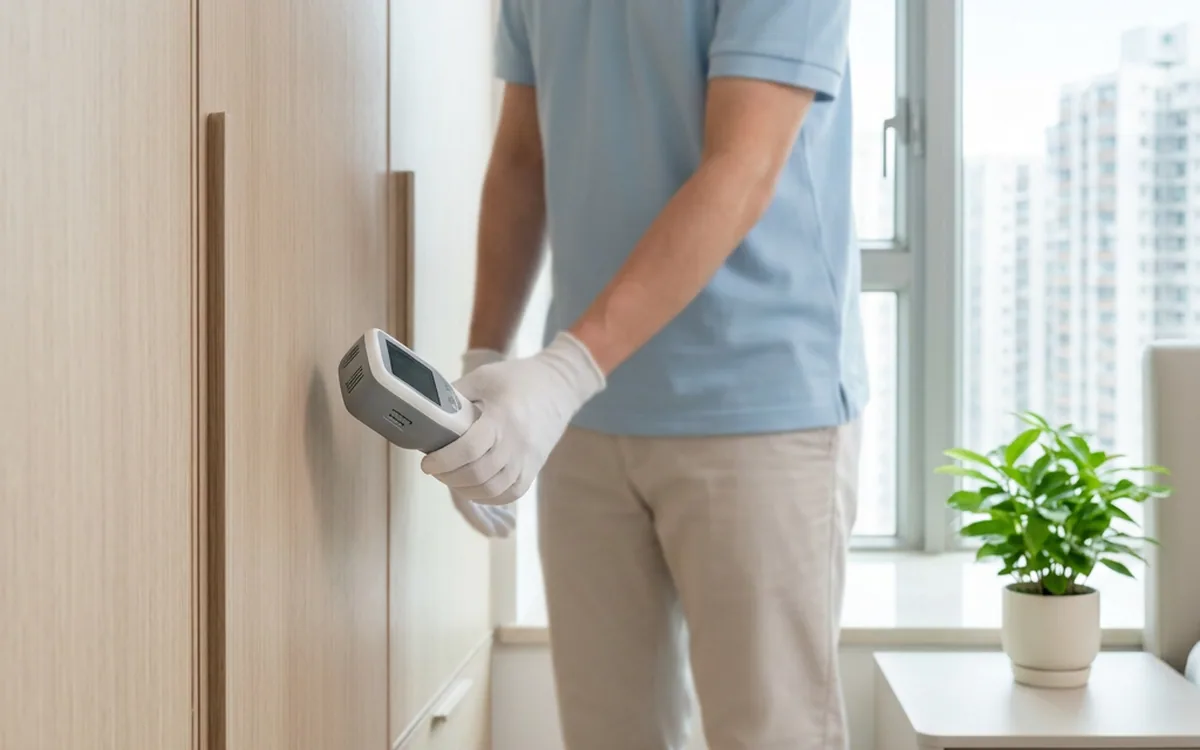
Formaldehyde is an irritating gas commonly found in renovation boards, adhesives, and paints. For humans, long-term inhalation irritates mucous membranes, induces asthma, and it is classified as a category 1 carcinogen. Dealing with formaldehyde requires continuous ventilation, removing the source of pollution, and monitoring with precision instruments. 壹家壹清潔專家 advises not to rely solely on smell to judge formaldehyde concentration, as it may exceed limits even at low concentrations; you must seek professional testing services.
Sources and characteristics of formaldehyde
Formaldehyde is a Volatile Organic Compound (VOCs), often present in man-made boards, adhesives in furniture, and paints. It has a continuous release characteristic, with a release period that can last for several years. It should be noted that smell does not equal concentration; when concentration is below the perception threshold, formaldehyde may still cause harm to the human body.
Potential health risks of formaldehyde
Formaldehyde mainly enters the human body through the respiratory tract, having a significant impact on mucosal tissue. Clinically common symptoms include throat swelling, recurrent coughing, dry eyes, and rashes. If the home contains children or the elderly, pay attention to the indoor environment and air quality.
- Respiratory irritation: Coughing, asthma, and dry throat
- Skin and mucosal reactions: Red and swollen eyes, skin allergies
- Long-term exposure risks: Increased concerns regarding cancers such as nasopharyngeal carcinoma
Indoor formaldehyde testing and treatment
Relying solely on your sense of smell cannot judge whether the environment meets standards. If the indoor air feels stuffy, it is recommended to engage a professional organization for air sampling and testing. The core of management lies in 'source control' and 'efficient ventilation'. If air purification equipment is used, you must ensure the filter has the functionality to capture volatile organic compounds.
- Ensure indoor ventilation 24/7
- Hire professionals to perform air quality assessments.
- Perform professional formaldehyde removal when necessary to treat pollution sources that are difficult to volatilize
Misconceptions and limitations of DIY treatment
Common methods like placing pineapples or green plants have minimal effect on absorbing formaldehyde stably released in the air and cannot serve as proof of qualified air quality. DIY treatment is limited to simple ventilation and surface cleaning; if indoor formaldehyde levels remain consistently above safety standards, you must stop DIY attempts and turn to a professional team.
- Stop over-relying on plants to purify the air
- Professional intervention should be taken immediately after confirming test results are above environmental benchmarks
- Avoid using fragrances to mask odors without first addressing the pollution source