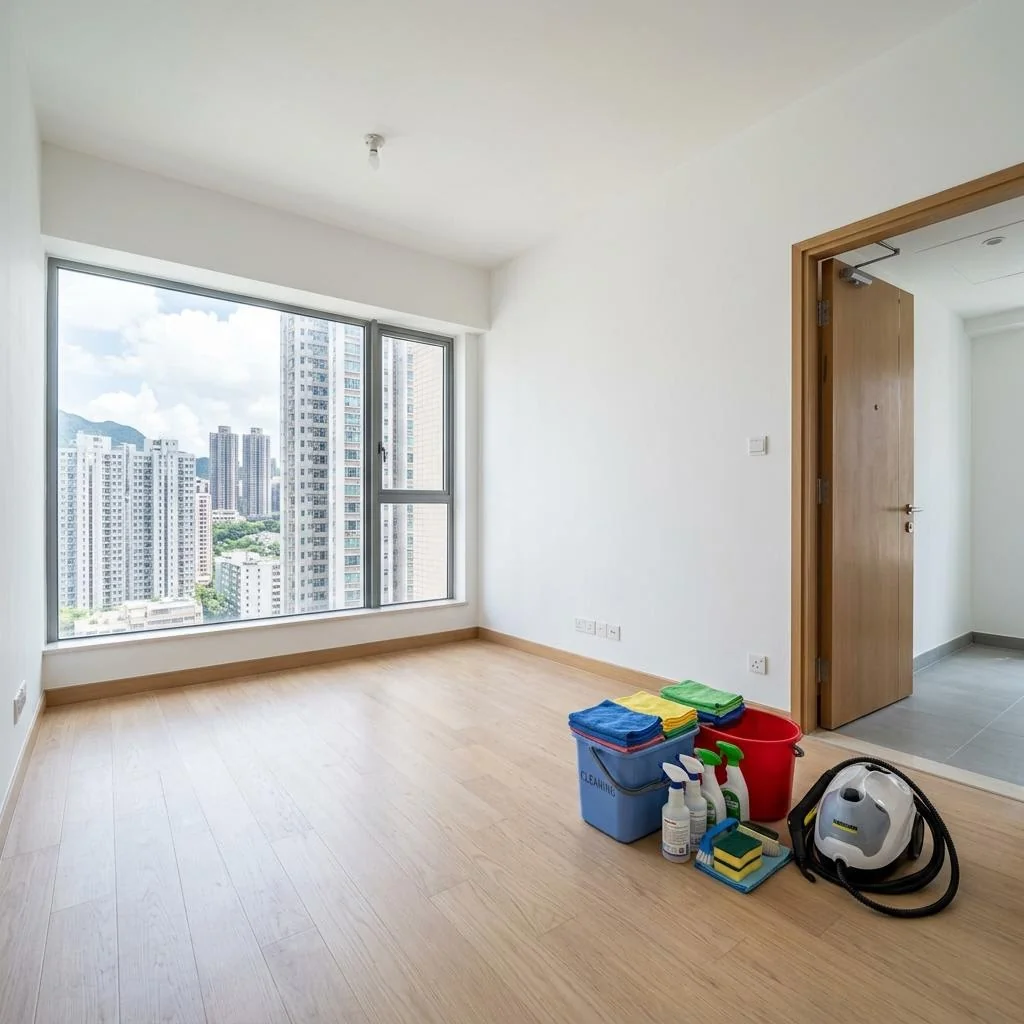
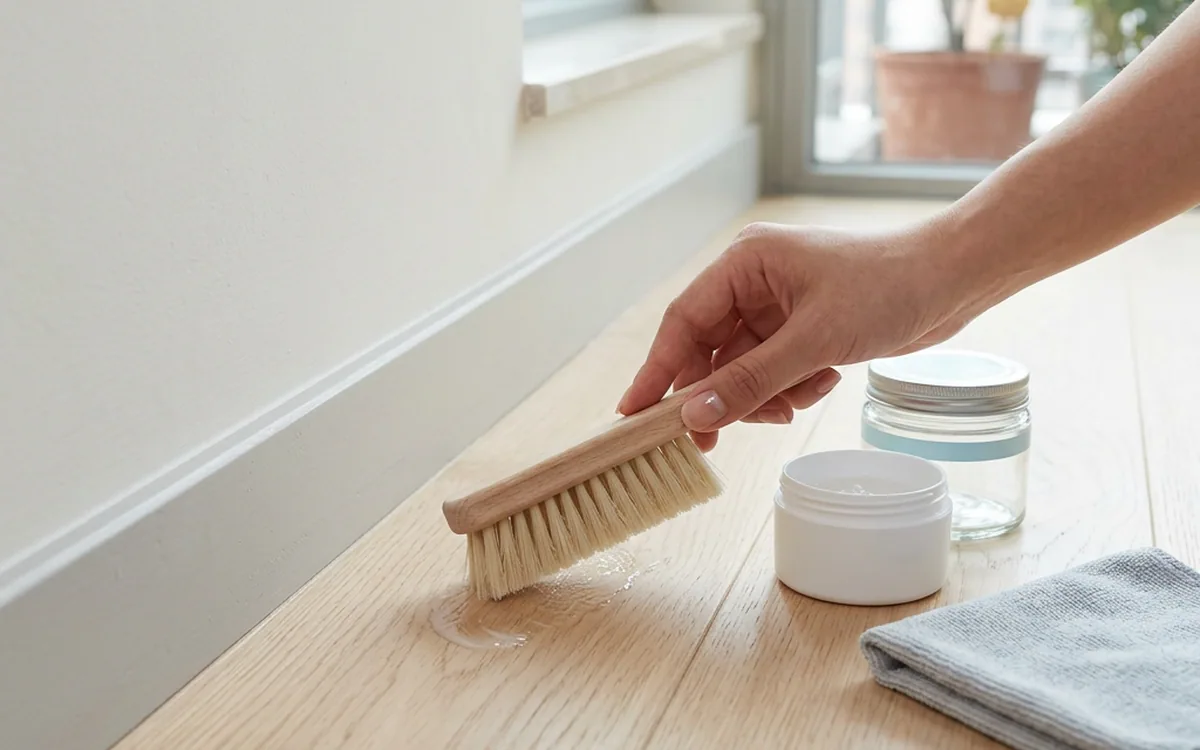
Deposit deductions are mostly due to wall impacts and floor scratches. Tenants should install anti-wear pads on furniture during daily use and avoid dragging heavy objects directly. Performing local repairs (such as filling nail holes, cleaning stains) before vacating can effectively reduce the risk of deposit deduction.
Daily maintenance and repair of walls
Common wall problems include adhesive residue from hanging pictures and impact dents. For handprints or slight stains, you can use a multi-purpose sponge dipped in water to wipe in circular motions. If there are screw holes, you should remove the screws before moving out, use dedicated repair paste to fill them level, and apply emulsion paint similar to the wall. Note to test the paint color locally first to ensure consistency.
Floor wear protection strategies
Floors should avoid being mopped with excessive water to prevent wooden floors from deforming due to moisture. To prevent the floor from being scratched when moving chairs, please ensure that thick anti-wear protective pads are stuck on all furniture feet. If heavy objects need to be moved, protective floor mats or cardboard should be laid; dragging furniture directly is strictly prohibited.
- Stick protective pads on the bottom of all mobile furniture.
- When moving heavy objects, lay thick cardboard as a protective layer.
- When cleaning the floor, ensure the mop does not have too much water.
- When moving out, wrap the corners of large furniture well to avoid bumping into walls.
Professional move-out handling
In addition to daily maintenance, a comprehensive cleaning before handing over the property also affects the landlord's perception. If faced with large-scale peeling paint or deep floor damage, it is difficult to restore the original state with DIY alone. At this time, it should be handled by a professional cleaning and renovation team to ensure the unit condition meets requirements upon handover, avoiding more serious losses due to improper repairs.