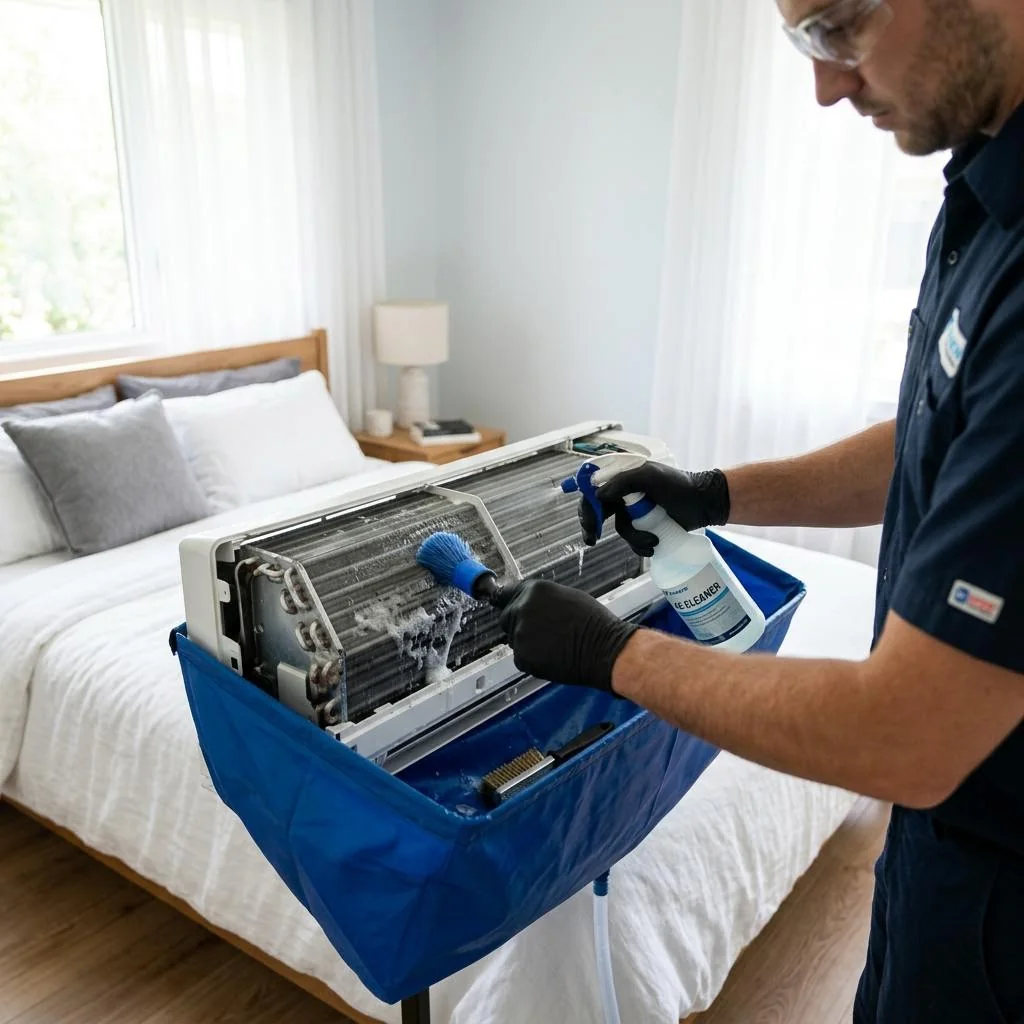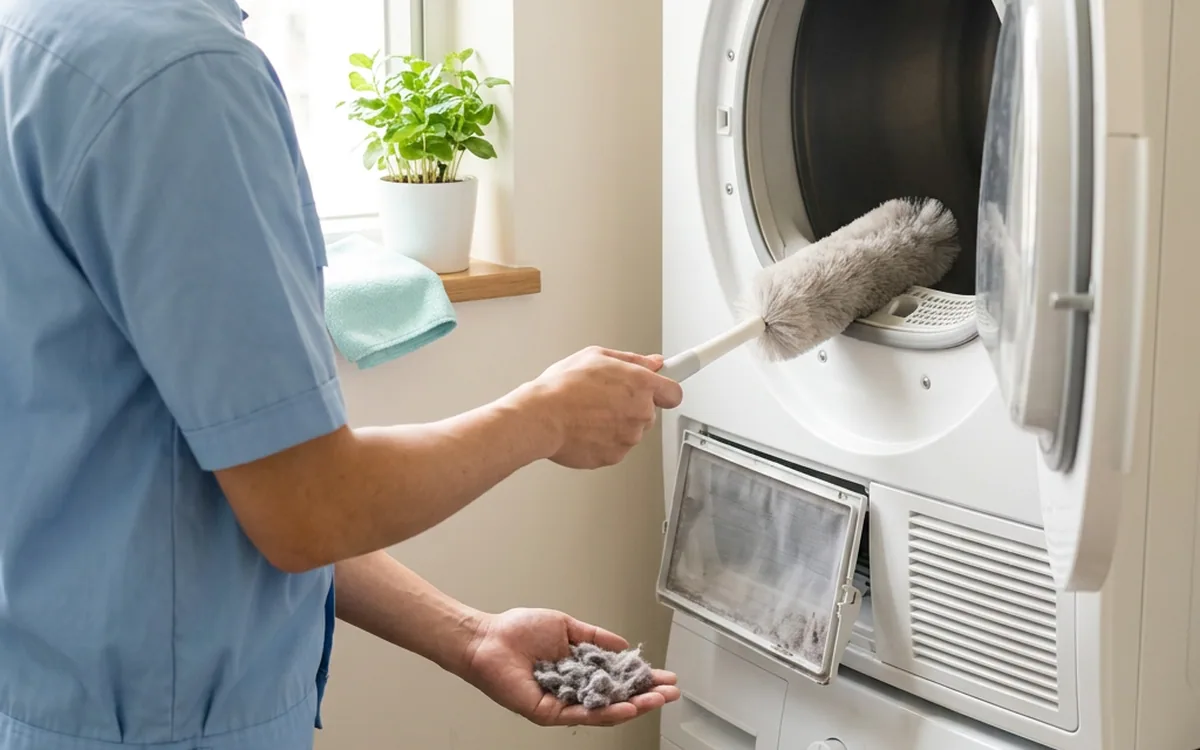
Dryer cleaning must refer to the manufacturer's manual, using the corresponding filter cleaning procedure for vented, condenser, or heat pump dryers. If overheating, burnt smells, or abnormally long drying times are detected, stop use immediately and inspect; do not forcibly dismantle internal wind paths or electrical circuits yourself to ensure electrical safety.
First, identify the type of dryer
Vented types require attention to the exhaust path; condenser and heat pump types have their own requirements for water tanks, filters, and heat exchange components. Refer to the model instructions; do not use another model's tutorial video as your own dismantling method.
Washer-dryer combos should not be treated with the dismantling procedure for standalone dryers, especially regarding built-in cabinetry and water/electrical connections.
Which areas can be maintained yourself?
Only handle parts specified by the manufacturer as cleanable by the user, and operate after shutting down and cooling. Whether items are washable and how to reassemble them depends on component requirements.
| Location | Inspection content |
|---|---|
| Lint screen | Lint accumulation, damage, and whether it is properly installed |
| Water tank | Empty and reinstall according to the model |
| Condenser components that can be cleaned | Follow instructions instead of forcibly dismantling |
| Exhaust path | Note blockages but do not risk pulling out the equipment |
Under what conditions should it be stopped immediately?
Burnt smells, smoke, obvious overheating, or abnormal noises should not be dismissed as general dust accumulation when trying to use the machine. In case of immediate danger, leave the affected area and seek emergency assistance.
Cleaning surface lint does not equate to inspecting the entire wind path and electrical system; if abnormalities persist, arrange for appropriate personnel to inspect and repair.
How to take photos before booking cleaning?
Provide labels, the full machine, and installation environment, explaining whether it is free-standing, stacked, or built-in. Heavy equipment should not be pulled out by yourself to avoid damaging connections or causing falls.
- Record the model and abnormal symptoms
- Photograph the machine body and surrounding space
- List accessible and obstructed locations
- Confirm the scope of cleaning and repair
- Arrange for post-service inspection and daily maintenance
How to maintain the dryer's condition?
Clean lint according to machine requirements, do not overload clothing, and maintain adequate ventilation space. Do not stack debris on the equipment that hinders heat dissipation.
If clothing or products have 'do not tumble dry' labels, handle them according to care requirements; dryer cleaning does not mean all fabrics can be safely put in.