
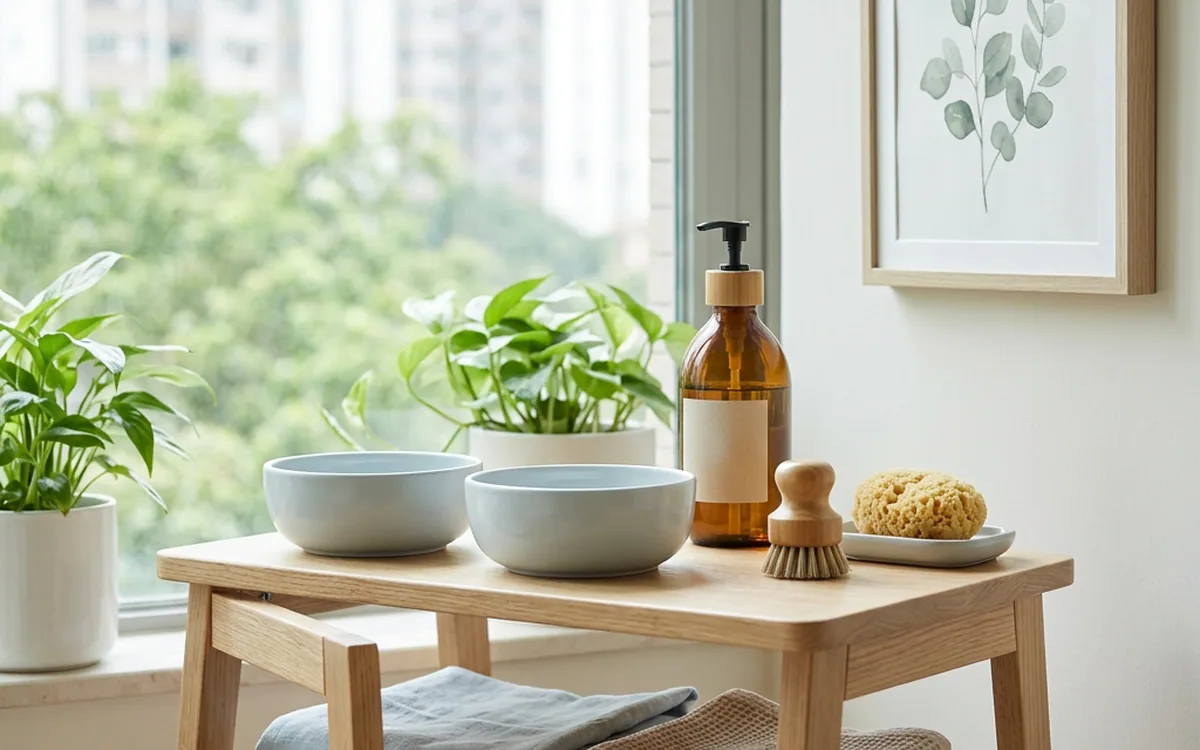
A clean and tidy environment can eliminate visual clutter and provide a clear logic for returning items to their places. Parents can guide children to actively participate in tidying up by lowering storage heights, using visual labels, and playing daily item-returning games, establishing a sense of responsibility and independence through example.
The influence of the environment on psychology
A long-term cluttered living environment creates too many distractions visually and sensorially, making children's brains easily fatigued and leading to difficulty focusing. When items lose their fixed positions, children have no way to learn to return them to their place, and over time, a dependent psychology will develop. A good sense of family order is the cornerstone for children to develop a stable state of mind and concentration.
- Examine the relationship between the visual environment and concentration
- Understand the connection between environmental order and sense of security
Guiding children in self-care skills
Education should start with physical conditions. Place commonly used toy boxes and clothes cupboards at a height accessible to children, reducing the necessity of relying on parents. Use visual labels to allow preschool children to understand where items should be returned. Through a daily ten-minute pre-bed tidying game, make tidying up an interaction rather than a punishment.
- Lower storage cabinet height to child-friendly levels
- Use visual labels to mark where items belong
- Conduct a tidying game at a fixed time every day
Concrete practice of setting an example
Setting an example is more important than preaching. If parents put items back in their place every day and keep the environment in good order, this logical thinking will subtly influence their children. Never force children to tidy up while scolding them; this will only cause resentment. Clear division of labor and circulation should be established to make housework a natural part of family life.
- Parents set an example by demonstrating where to return items
- Incorporate housework division into the rhythm of life
When to seek support
When work is busy and there is too much accumulated old clutter in the home, making it difficult to re-plan movement, you should consider seeking a professional team for space organization and deep cleaning services. A professional team can assist with dust removal and planning storage movement, freeing up quality growth space for the child, and allowing parents to have more time to spend with them.
- Evaluate daily organizing burden
- Entrust a professional team to carry out deep space reorganization