The stickiness of a cleaning rag is due to surfactant residue crystals. The solution is to strictly follow the product instructions to dilute the cleaning agent, adopt the two-rag-two-bucket method—that is, one rag for cleaning with solution, another rag for repeated rinsing in clear water two to three times—and finally, thoroughly wash and air dry the rags.
The cause of secondary pollution from cleaning rags
The reason rags become sticky or smelly is mainly due to the direct use of high-concentration undiluted cleaning agent, causing chemical molecules to accumulate deep in the fibers. When this residue is smeared on dining tables or furniture surfaces, it forms a sticky film after drying, which easily absorbs dust and breeds bacteria. In humid environments, these chemical films combine with grease in the air to produce an acidic, sour odor.
Standard for correct dilution and rinsing
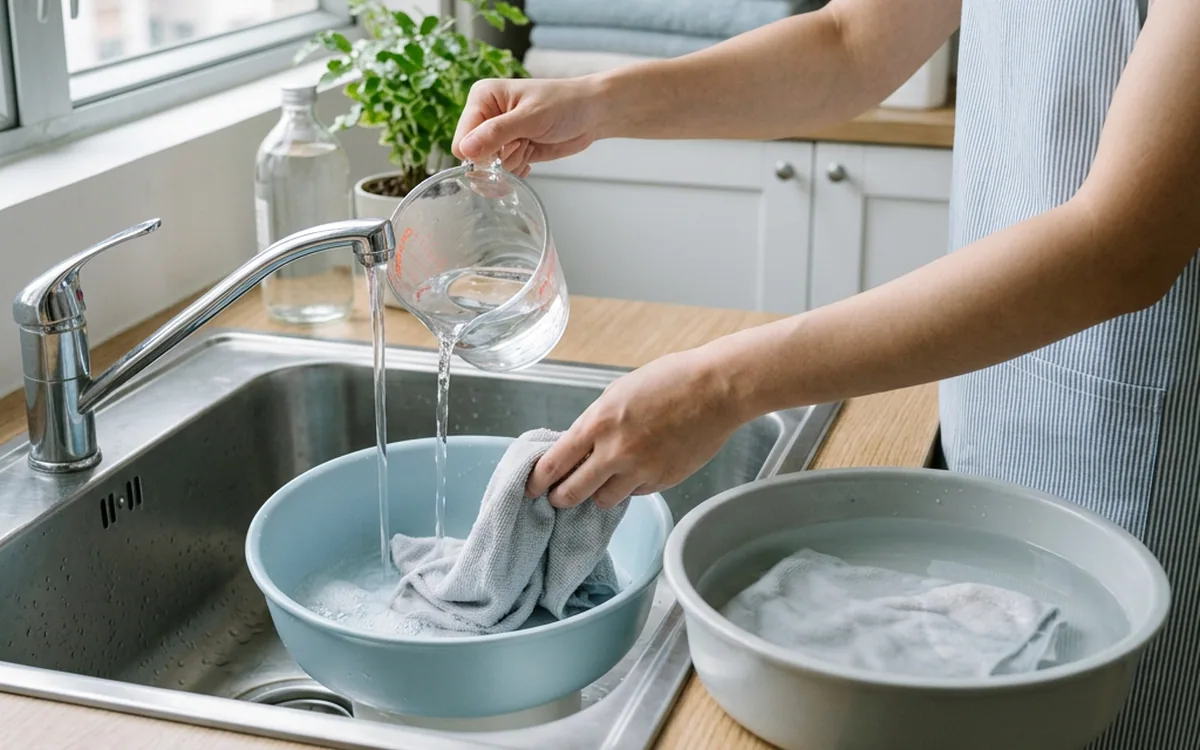
The key to avoiding residue lies in pre-dilution. Please follow the original manufacturer's guidelines for the cleaning agent to prepare the concentration; it is never recommended to pour it directly onto the rag. When cleaning, implement the "two-rag-two-bucket method": one water bucket with diluted solution, and one with clean water. After removing the stain, you must use the clear water rag to wipe repeatedly two to three times until the surface is dry and free of slippiness.
- Dilute the cleaning agent by pre-mixing it with water in a bucket according to the manufacturer's ratio.
- Use the first damp cloth to clean surface dirt.
- Use the second cloth soaked in clean water to thoroughly wipe the surface two to three times.
- Rinse the cloth under running water and squeeze out all excess moisture after every use.
- Place the cloth in a ventilated and sunny area to dry thoroughly to avoid long-term dampness.
Comparison of materials for cleaning appliances
Choosing the correct cloth material can reduce the risk of chemical residue.
- Microfiber cloth: Strong dirt-grabbing power, suitable for daily cleaning; it is recommended to use them by zone and color.
- Wood pulp sponge: High water absorbency but tends to trap detergent, requiring repeated rinsing and squeezing.
- Disposable cleaning wipes: The safest option, suitable for cleaning children's items and reducing cross-contamination.
When to stop DIY and inspect
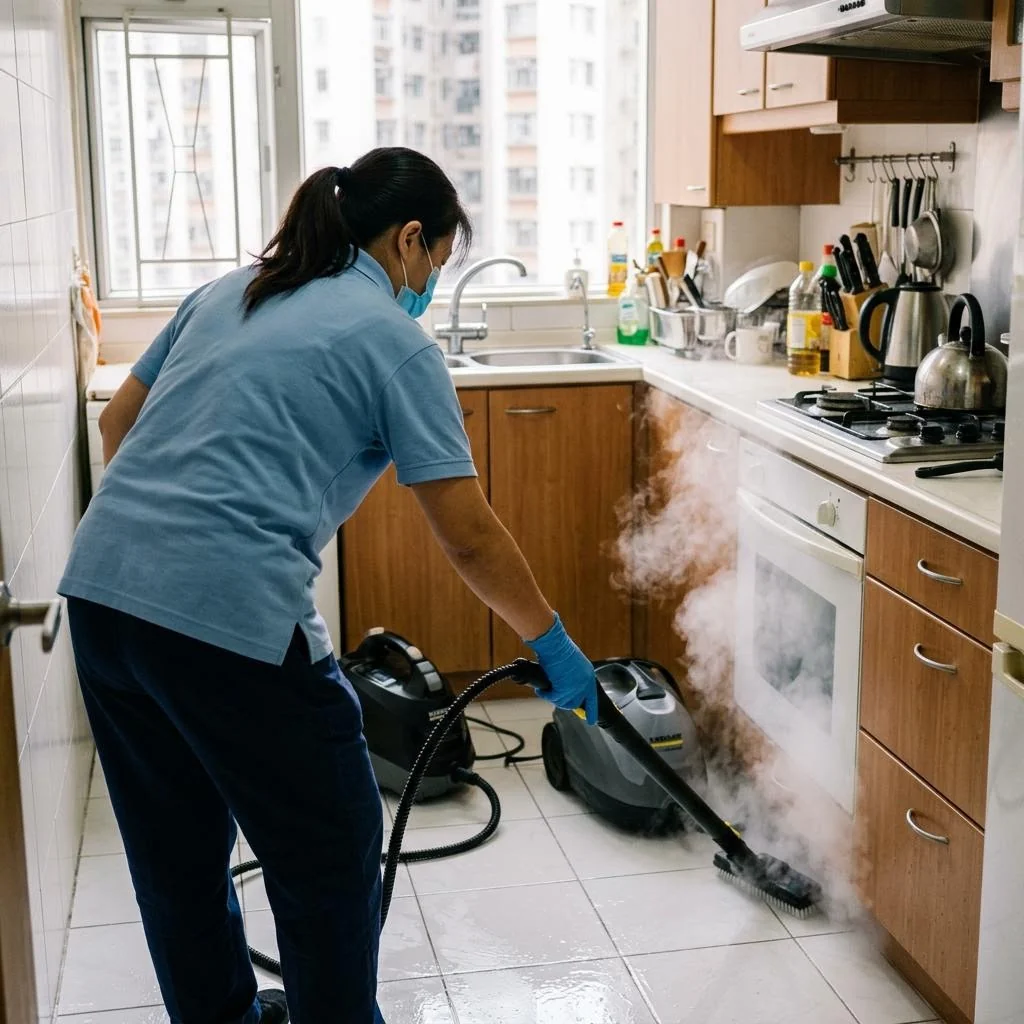
If, after multiple wipes with clean water, the surface still feels slippery or has visible white water marks, it means there was insufficient rinsing. If you notice red spots or itching after the cleaning agent comes into contact with your skin, stop using the chemical immediately and consult a doctor. For deep stubborn kitchen grease or severely clogged sewage pipes, never blindly mix high-concentration chemicals yourself to avoid corrosion or burns; you should seek professional assistance.