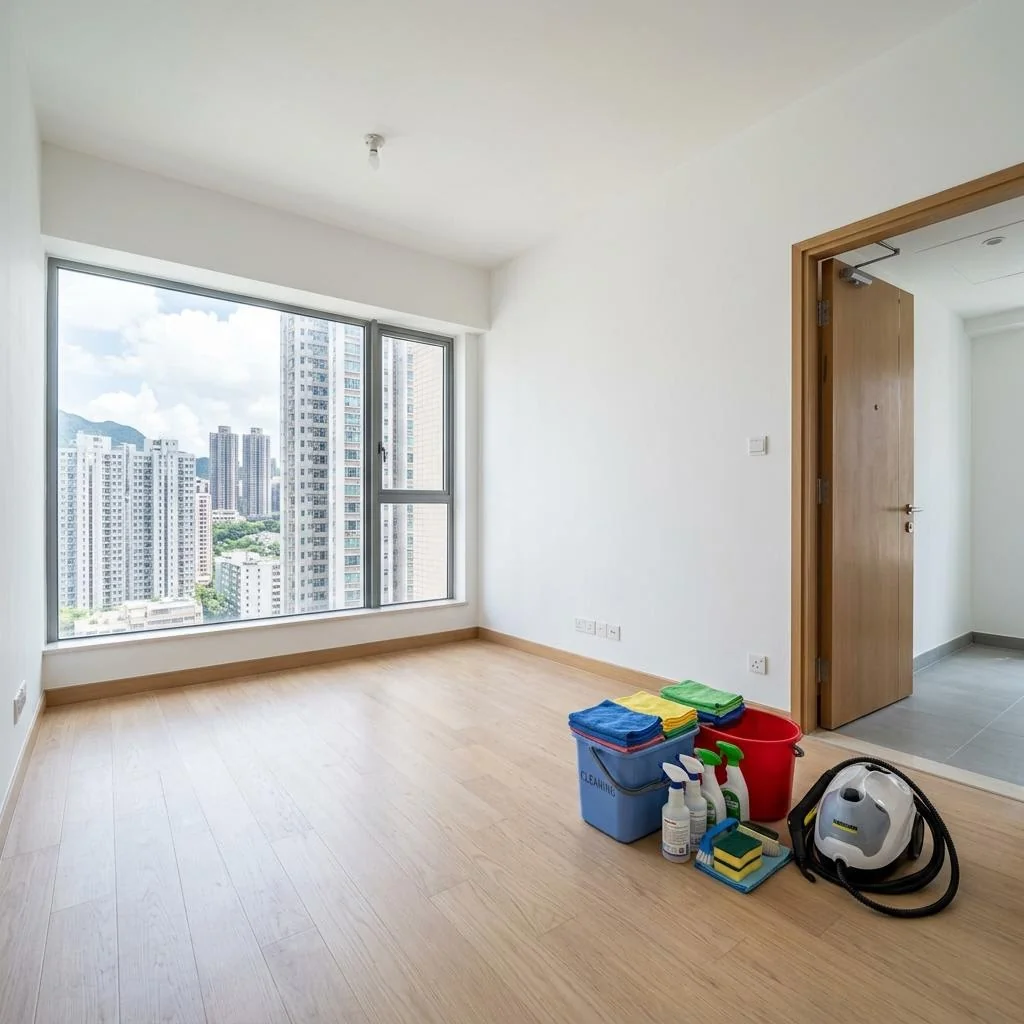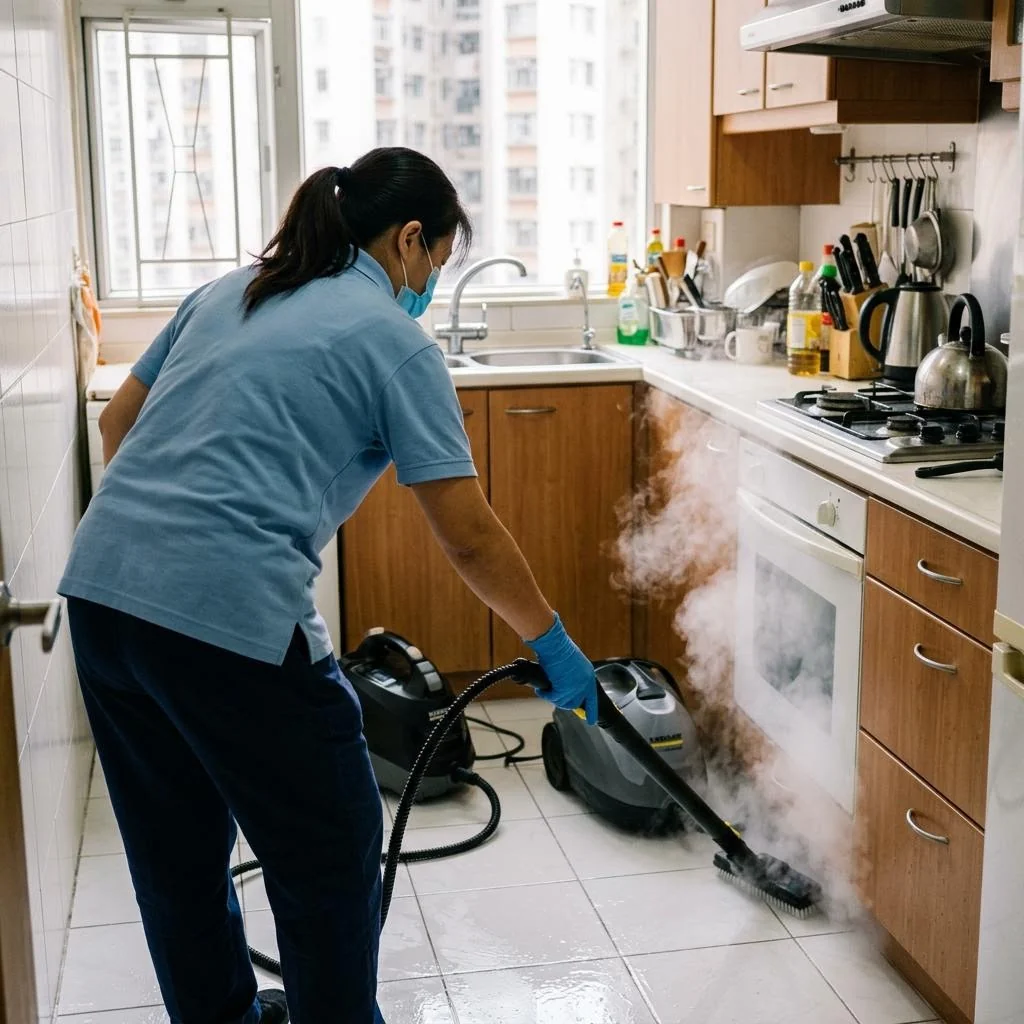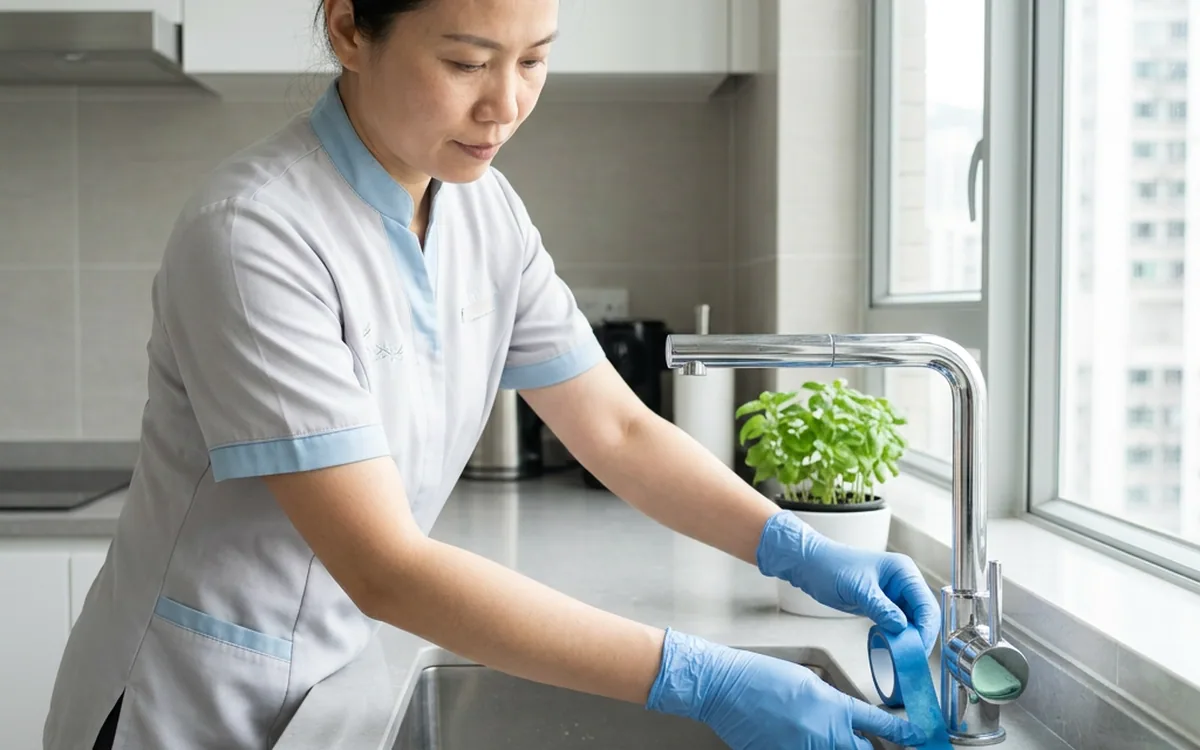
The professional whole-house cleaning process typically starts with a site assessment, followed by dust removal from high to low, deep cleaning of kitchen grease and bathroom mold, and finally disinfection. Ensure good ventilation during cleaning, avoid mixing chemical agents, and pay attention to electrical safety. Detailed costs depend on unit complexity; please check the 壹家壹清潔專家 price list.
Standard cleaning workflow
Upon arrival, the professional team will conduct an environmental assessment and mark the location of stubborn stains. Work generally follows a top-to-bottom, inside-out sequence to ensure that cleaned areas are not re-contaminated.
When handling moldy materials, you can follow US Environmental Protection Agency's home mold prevention recommendations(opens in a new window)treatment and note the on-site and material restrictions.
- Preparation phase: Clear clutter, inspect electrical appliances, and prepare protective gear.
- Dust removal phase: Use vacuum equipment to handle walls, cabinet tops, and corners.
- Deep cleaning: Use appropriate cleaning agents for grease and mold.
- Disinfection phase: Perform comprehensive non-toxic disinfection.
- Confirm electricity and water supply in the unit.
- Protect fragile and valuable items.
- Conduct final inspection and check details.
Key areas for cleaning
Different areas require different chemicals and tools; they cannot be treated the same.
- Living room and bedroom: Focus on dust removal, paying attention to light fixtures and furniture crevices.
- Kitchen: Focus on grease removal, including the interior of the range hood and oil filters.
- Bathroom: Remove water stains and black mold, and clean hair from drains.
- Soak kitchen grease with heavy-duty degreaser first.
- Apply anti-mold agent to bathroom tile crevices as a wet compress first.
- Wait for the stains to decompose before scrubbing.
Safety norms and material restrictions
Cleaning safety is the top priority. Never mix bleach with toilet cleaner, as this carries a risk of toxic gas generation.
Before using bleach, please first understand Method for using bleach from the Centre for Health Protection(opens in a new window), and operate according to the product label.
- Electrical safety: Ensure power is disconnected when cleaning appliances and never dismantle internal circuits.
- Material protection: Do not use acidic cleaners on natural stone (such as marble).
- Chemical usage: Diluted bleach must be used up within 24 hours.
- All cleaning agents must be tested on a small area first.
- Wear gloves to protect your skin.
- Clean all tools with clear water after use.
When to seek professional assistance
If your home has long-standing stubborn mold roots, or requires post-renovation fine dust cleaning, routine household tools may not be sufficient. Professional teams are equipped with suitable equipment to help process cleaning tasks efficiently.
- Mold has penetrated into the gaps.
- Grease that has accumulated inside kitchen equipment for years and is unreachable.
- A full-house disinfection procedure is required.
- Assess the service frequency based on the actual living situation.
- If there are special materials (such as wooden floors, leather sofas), please be sure to inform the professional team.
- Consult for the latest prices to ensure the service meets your budget.