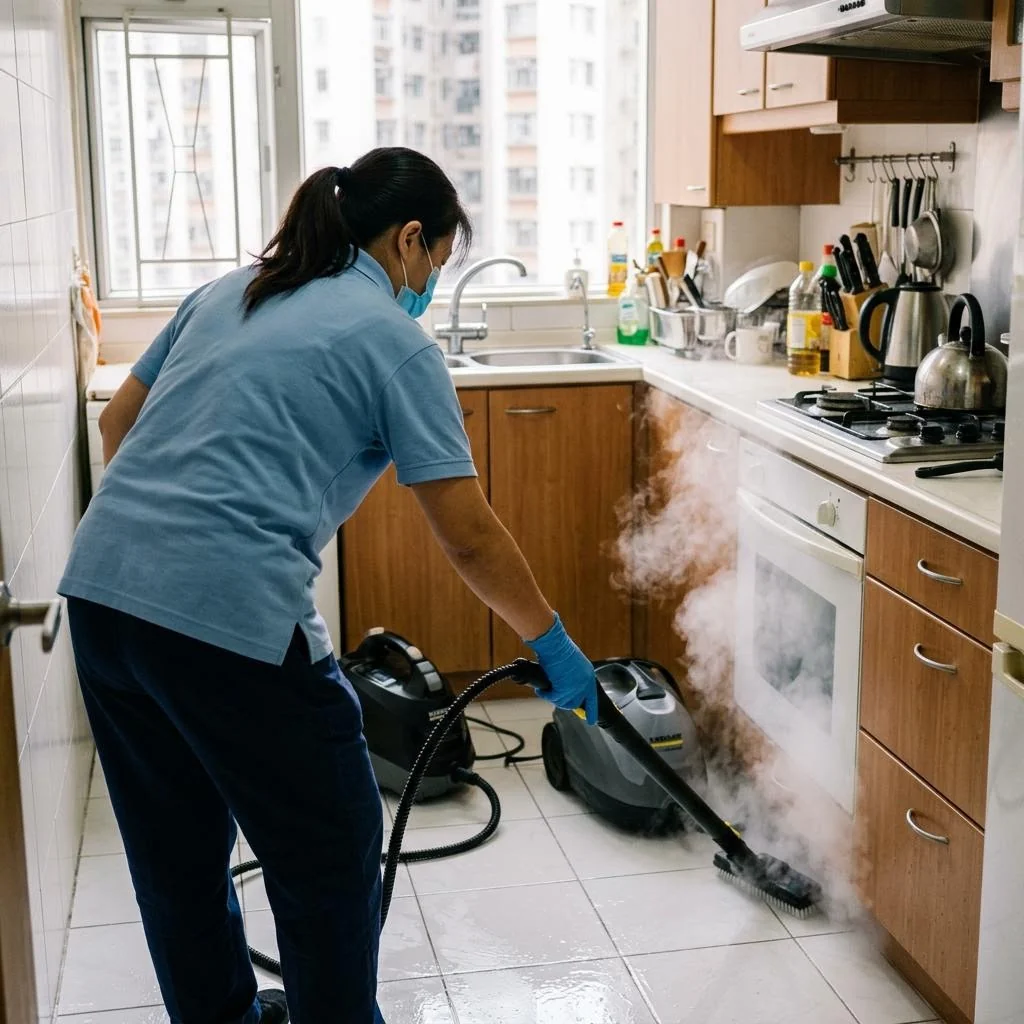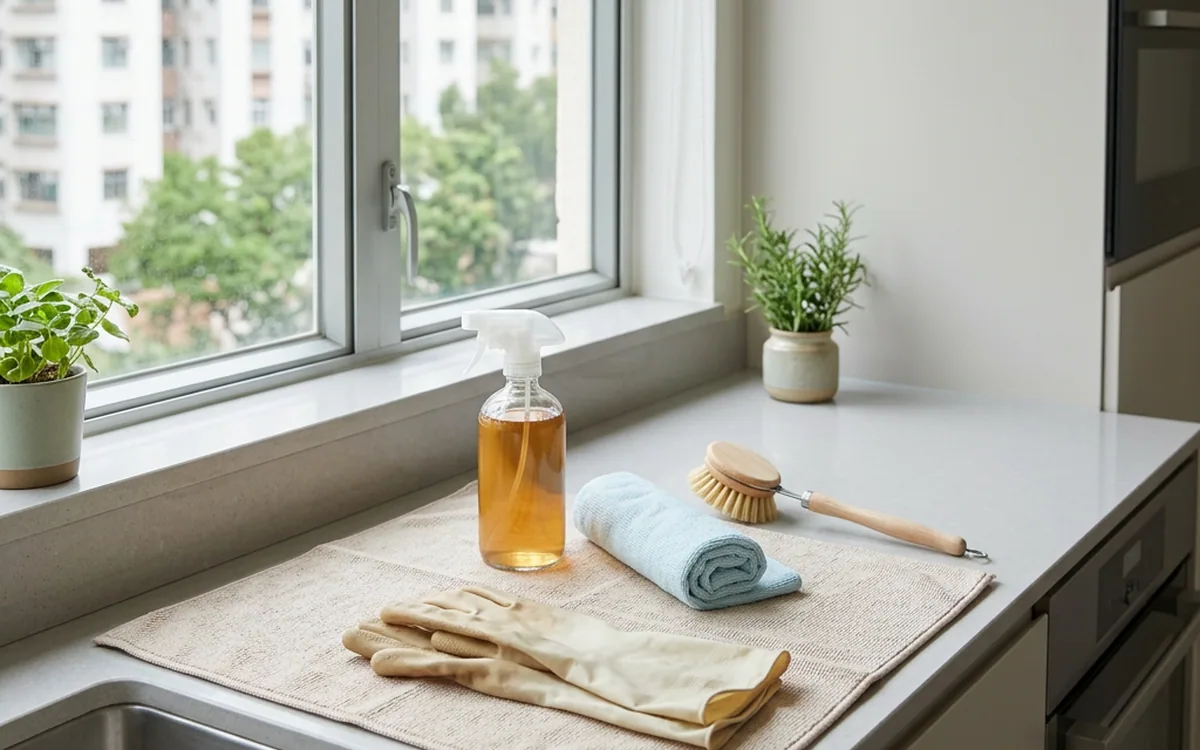
Spring cleaning focuses on mold removal and ventilation. Use drying tools to treat mold spots, and choose cleaning solutions based on material characteristics. Increase air convection to lower humidity and keep the home dry.
Wardrobe cleaning and maintenance
Humidity is high in spring, making it easy for mold spots to form inside wardrobes. Empty the wardrobe before cleaning, check for moldy clothes, and ensure the interior is thoroughly dry before putting items back.
When handling moldy materials, you can follow US Environmental Protection Agency's home mold prevention recommendations(opens in a new window)treatment and note the on-site and material restrictions.
- Remove all clothing
- Wipe the interior, ensuring it is completely dry
- Check clothes for mold spots
Window and crevice cleaning
For glass windows and window frame crevices, use a dedicated glass cleaner. It is strictly forbidden to perform high-altitude window cleaning without protective measures.
- Glass surface: Use a soft cloth with a cleaner to wipe
- Crevices: Use a thin brush to clean, do not forcibly disassemble components
- First, remove accumulated dust in the window frame
- Wipe with an appropriate amount of cleaner
- Finally, wipe dry to prevent water stains from remaining
Deep floor care
Floor cleaning should use appropriate cleaners based on the material (wood flooring, tiles, etc.). Do not get it too wet to avoid affecting the material structure or causing mold.
- First dusting
- Select the appropriate detergent for the material
- Mop with a damp mop and dry immediately
Anti-mold and detail treatment
For light scale or mold spots on wall corners or metal accessories, ensure the surface is dry after using a cleaner. If porous materials (such as wallpaper, carpet) are severely molded, consider replacement.
- Improve ventilation to control indoor humidity
- Use the cool setting of a hairdryer to blow dry damp corners after cleaning
- Check for any abnormal water leakage